Movie Review: "Coco" Shocking Values in Children's Movies?
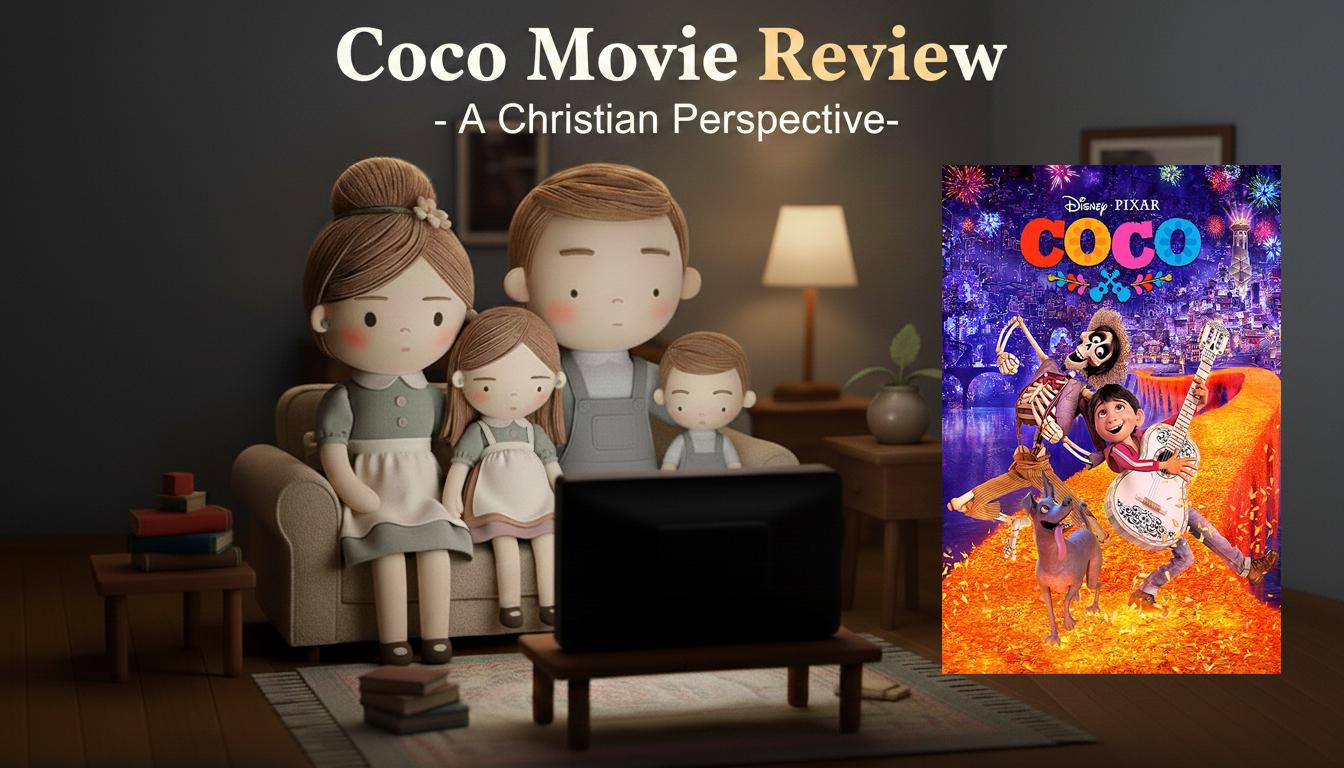
While Disney-Pixar’s *Coco* is wrapped in vibrant colors and moving music, a look beneath the surface reveals a deep-seated "humanistic terror" that systematically dismantles the afterlife promised in the Bible.
1. Disney’s Anxiety: The Obsession with "Being Forgotten"
Looking at the recent direction of Disney and Pixar (*Inside Out*, *Coco*, etc.), there is a clear obsession with rooting the "source of existence" in human memory rather than in the Creator. This may be a self-projection of the Disney empire itself—fearing that the moment they are forgotten by the public, they lose all value.
The Bible tells us that even if the world forgets us, God remembers us. In contrast, Disney injects a cruel worldview into children: "If no one remembers you, you are permanently deleted from the universe." This is not comfort; it is a form of spiritual gaslighting.
2. An 'Unjust Afterlife' That Contradicts the Bible (Destroying Childhood Innocence)

In the biblical story of Lazarus and the Rich Man, Lazarus lived a miserable and unfair life on Earth, but after death, he found complete rest in the bosom of Abraham through God’s justice. This reflects the righteous God we believe in.
In contrast, the afterlife depicted in *Coco* is shockingly unfair and secular for a children’s movie:
* The Triumph of the Wicked: Ernesto, a murderer, lives in a "palace of memory" in luxury, having stolen another man's life's work.
* The Suffering of the Righteous: Hector, who was unjustly poisoned, is stripped of his name and honor even in death, languishing miserably in a slum-like shantytown.
* Human Meritocracy: The idea that wealth in the afterlife is determined by how famous you were or how many memories you left behind directly contradicts the core of the Gospel: salvation by grace.
* The Double Death: Hector faces the threat of "Final Death" (total extinction) simply because his living descendants' memories are fading.
While the Bible teaches that death is the beginning of rest where God wipes away every tear, this movie destroys a child's pure view of the afterlife by depicting a "tiring world" where one must struggle even after death to avoid being forgotten.
3. Conclusion: Spiritual Nihilism Hidden Behind Brilliant Colors
The film ends with the sentimental message that "family is everything," but at its core lies a hollow humanism: "Without God, humans are beings who must beg for the memories of others even after death."
Ultimately, *Coco* replaces the "eternal rest" of the Bible with "eternal anxiety." True comfort does not come from the fickle memories of our descendants, but from the love of God, who promises that our names are engraved on the palms of His hands (Isaiah 49:16).