Little Known Bible characters #10: Zilpah and Bilhah
By Elizabeth Prata
Synopsis:
Leah is remembered, but Bilhah and Zilpah often fade into the background. Given as slaves, used as surrogates, and denied agency, they still bore sons who shaped Israel. Their stories expose suffering but a God who did not forget them.

In this ongoing series, I like to unearth a little known Bible person from its pages to examine him or her a bit more. Many people are mentioned scantily but not a lot else may be known about them aside from their name. Or, they may be mentioned frequently but ‘live’ in Old Testament books that are not read often, as is the case of today’s Little Known people, Zilpah and Bilhah.
Leah. Leah is not little-known, she’s a well-known Bible character, having been the wife of Jacob, bearing him 6 sons and a daughter. Their sons became 6 of the Twelve Tribes of Israel.
However, there are two other women in Jacob’s life besides Jacob’s more preferred wife Rachel. These two are little known but just as important. Let’s give this scenario a bit of the light of day.
Laban also gave his female slave Zilpah to his daughter Leah as a slave.(Genesis 29:24).
Laban also gave his female slave Bilhah to his daughter Rachel as her slave. (Genesis 29:29).
Zilpah and Bilhah were given to Jacob as handmaids to Jacob’s two wives, Leah and Rachel. Leah and Rachel would have been considered ‘primary wives.’ Zilpah and Bilhah became concubines when they were given to Jacob in Leah and Rachel’s competition for children.
Both Zilpah and Bilhah are referred to in various translations as slave, maid, handmaid, servant. In the Bible and Jewish tradition, a concubine is considered a wife, though a lower in status wife. She would be a secondary wife and lack the legal protections of the marriage contract (ketubbah). Any children resulting from the lower-in-status marriage are seen as legitimate heirs but also retain the mother’s lower, secondary status.
From Chabad.org:
In Biblical times, men often had many wives. Sometimes, the wives were of different social castes and would retain that social status after marriage. The woman of the higher caste was considered the man’s primary wife and her children received preferential treatment. When a man married into the slave’s caste, on the other hand, the children of their union usually remained slaves. Social anthropologists have coined a rarely used term to describe the practice of a man marrying women from both higher and inferior castes: polycoity.
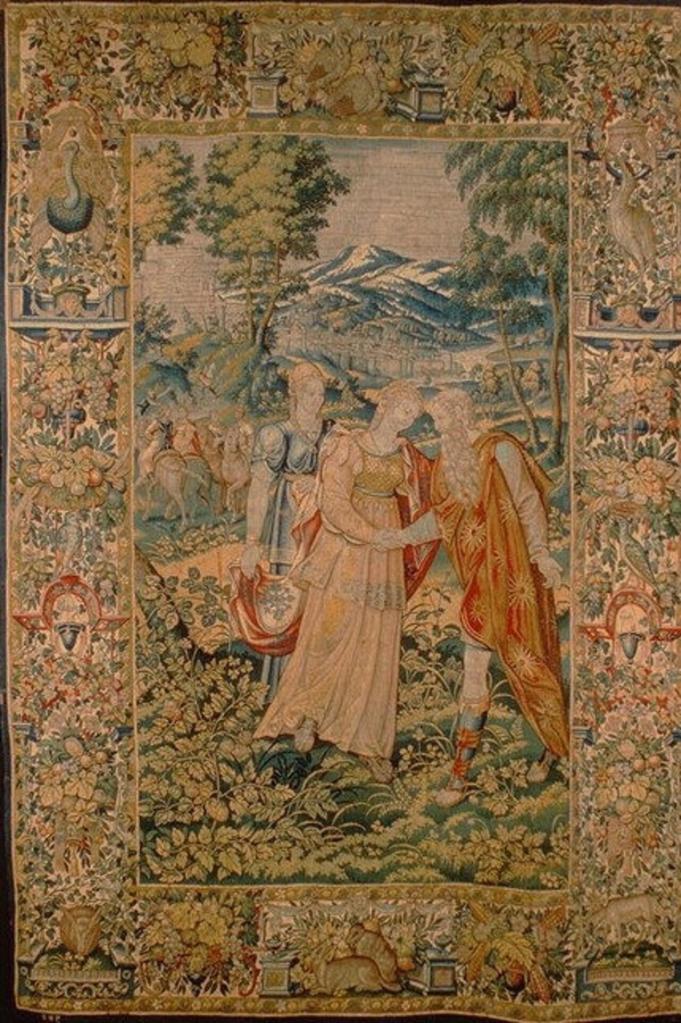
Now pause for a moment. We read over that phrase in the verse, ‘given to’ but these were living, breathing women. They were maids or slaves or servants, they did not have an agency of their own to make decisions. They were removed from Laban’s house and given to Laban’s daughters. Whether that was their preference or not didn’t matter. Then they were given to Jacob for a surrogacy. Whether they wanted to lay with Jacob or not was immaterial. They had to. Neither Bilhah nor Zilpah even named their own children. Leah and Rachel named them. These two women aren’t chess pieces moved around a chess board. They were humans with feelings, a will, preferences, and like all of us women, a desire to protect our own bodies.
Trivia: Lamech is the first recorded polygamist. It’s in Genesis 4:23. Marriage was corrupted early on!
Bilhah
Scripture References—Genesis 30:3, 4, 5, 7; 35:25; 37:2; 46:25; 1 Chronicles 7:13.
“This slave girl was the handmaid of Rachel, Jacob’s much loved wife, whom Laban gave his daughter when she married Jacob. Childless for many years, Rachel gave Bilhah to Jacob as a secondary wife, that she might have children by her. Such an act was strictly in accordance with the Code of Hammurabi. Bilhah bore Jacob two sons, Dan from whom sprang Samson, called a Danite (Judges 13:2), and Naphtali, the founder of a very large tribe.” (Source Herbert Lockyer).
Zilpah
Scripture References—Genesis 29:24; 30:9, 10; 35:26; 37:2; 46:18
“The slave girl Laban gave to his daughter Leah as a handmaid came to have a definite share in the development of Israel as a nation. When, for a time, Leah ceased to bear children, she gave Zilpah to Jacob that she might enlarge her brood by the handmaid, thus Zilpah became the mother of two sons, Gad and Asher. They became the progenitors of two of the tribes of Israel“. (Source: Herbert Lockyer).
Quote: “Rachel, even after marriage with Jacob, remains one of those women with nothing to recommend her but beauty. She is bitter, envious, quarrelsome and petulant. The full force of her hatred is directed against her sister, Leah.” (H. V. Morton, ‘Women of the Bible’ 1941.)
I know there was never any doubt in Zilpah or Bilhah’s minds that they were not preferred, that they were lower in social status. But it was made abundantly clear just how little their lives were thought of, how expendable they were, (and Leah’s too) in this dramatic scene.
“Then Jacob raised his eyes and looked, and behold, Esau was coming, and four hundred men with him. So he divided the children among Leah and Rachel, and the two slave women. 2 He put the slave women and their children in front, and Leah and her children next, and Rachel and Joseph last. 3 But he himself passed on ahead of them and bowed down to the ground seven times, until he came near to his brother.” (Genesis 33:1-3).
Jacob didn’t know his brother Esau wasn’t angry with him any more. When Jacob heard Esau was coming with an army, Jacob thought the worst. There would be a fight. Swords, blood, death. So Jacob arranged his company in order of most expendable person to least!
‘He put the slave women in front’- not described as Jacob’s concubines, not listed as the mothers of his sons, but ‘slave women.’ And ‘their children’. Not HIS children. And poor Leah, next most expendable. She was his legitimate wife, loyal, and having borne Jacob 7 children, six of them sons! But she was placed ahead of Rachel who Jacob put in the safest spot, the back.
Zilpah, Bilhah, Leah (and Hagar) are women I definitely want to meet in heaven. God never forgot them. Leah’s inner beauty and godliness was pleasing to God, even if Leah’s earthly countenance or form wasn’t pleasing to Jacob. Zilpah and Bilhah were used, marginalized, and cast aside when the going got tough. Same with Hagar. God saved Hagar’s life twice. God is a good God and He is good to His people. Their lives reveal human sorrow and the faithful God who sees, remembers, and redeems.
Other entries in this series:
Little Known Bible Characters #9: Gehazi- The Man Who Should Be Better
Little Known Bible Characters #8: Tryphena and Tryphosa
Little Known Bible Characters #7: Salome
Little Known Bible Characters #6: King Chedorlaomer
Little Known Bible Characters #5: Harbonah the Eunuch
Little Known Bible Characters #4: Eutychus
Little Known Bible Characters #3: Trophimus
Little Known Bible Characters #2: ‘The List of Offenders’
Little Known Bible Characters #1: Iddo