Never Too Late to Remember
This post will appear just before we observe Yom Kippur—the Day of Atonement. But I hope that as you read about the Appointed Time we celebrated last week, it will remind you to pray for Israel, for their full redemption, and for the fulfillment of God’s promises to them—and to us.
A Memorial of What?
I’ve shared elsewhere about the appointed times of the Lord, the mystery behind the Feast of Trumpets, and the traditional meaning of the Jewish New Year. This year, I’d like to return to some thoughts I first shared in 2017, and add a few new insights.
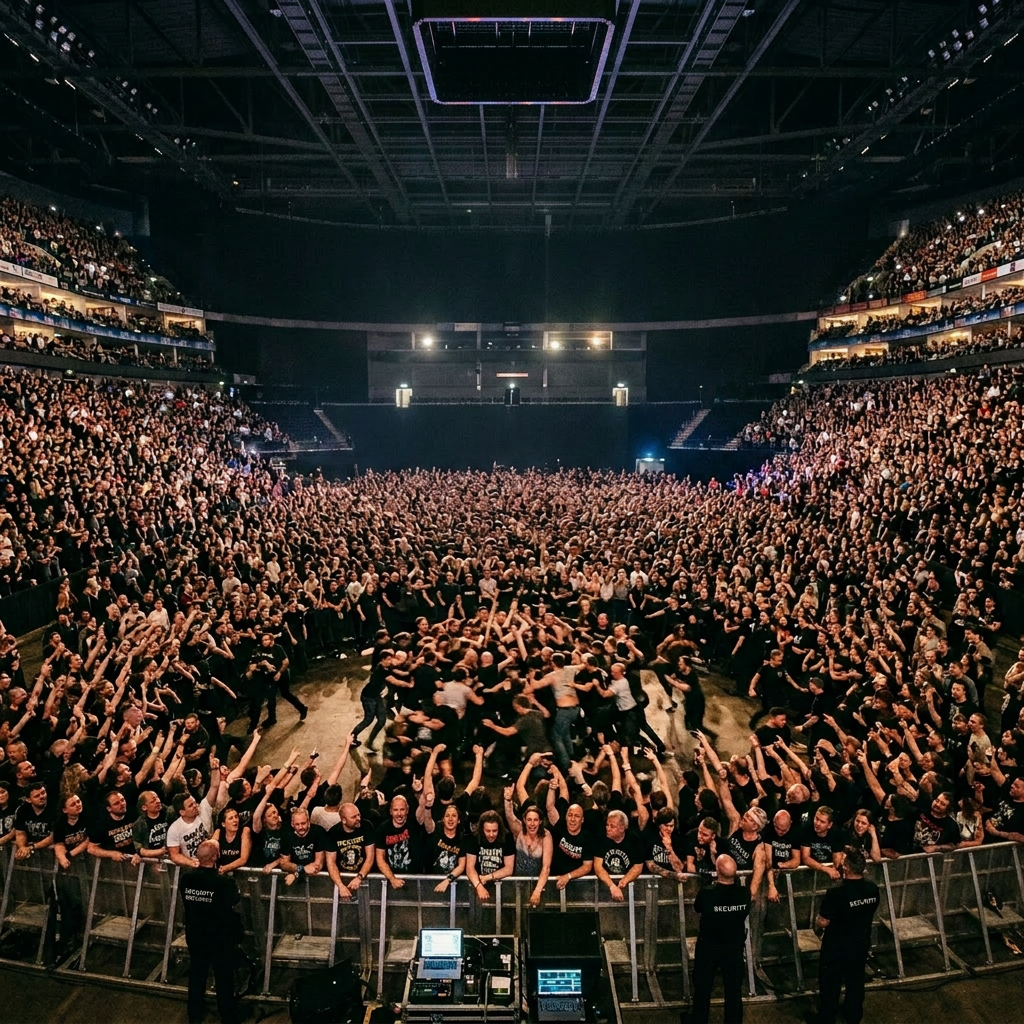
The Feast of Trumpets is an appointed time commanded by God, but the biblical command is quite different from its traditional observance today. In Scripture it was one day; today it is two. More importantly, it was supposed to be a memorial of teruʿah—an intense, loud sound: the shout of many people, an alarm or battle cry, or the blast of a trumpet or ram’s horn. That small word, teruʿah, has an awfully big meaning. The real name of this appointed time is Yom Teruʿah—the Day of Teruʿah.
While I understand why translators often use “trumpets,” teruʿah actually refers to the sound and not to the instrument itself. It could include silver trumpets (Numbers 10:10), the shofar (ram’s horn), and even the shouting of the people. Indeed, the HCSB version of Numbers 29:1 calls this a “day of joyful shouting.”
The Mystery of Teruʿah
But what is a “memorial of teruʿah” (Leviticus 23:24)? In Numbers 10:10, silver trumpets were to be sounded at all of Israel’s appointed times. But the why is what interested me:
10 And on your joyous occasions, your appointed feasts, and the beginning of each month, you are to blow the trumpets over your burnt offerings and fellowship offerings to serve as a reminder for you before your God. I am the LORD your God.” Numbers 10:10
The blowing of the trumpets was to be a “reminder” before God. Why? Because “I am the LORD your God.”
But what were the people supposed to remember? And how was remembering on Yom Teruʿah different from remembering during all the other appointed times?
Traditionally, Yom Teruʿah became a kind of time-stamp—marking the beginning of the 10 Days of Awe leading to Yom Kippur (the Day of Atonement). Just three days later, comes Sukkot (The Feast of Tabernacles).
By the time of Jesus, the initial sounding of the trumpets would have carried many associations for the people. It announced 10 days to prepare for the Day of Atonement—to remember sin and one’s true relationship with God. They would indeed be reminded, “The Lord is your God.” Sukkot, in turn, recalled God’s gracious care for His people in the desert and throughout history.
Teruʿah also echoed through Israel’s history and is found on the pages of scripture. Jericho fell amid the sound of ram’s horns, and a mighty, communal, shout (teruʿah; Joshua 6:5, 20). Israel once shouted in anticipation of victory over the Philistines, only to suffer devastating defeat and the capture of the Ark (1 Samuel 4:5–6). The prophets used teruʿah for battle cries and judgment, while the Psalms use it for joyful shouts and resounding praise (Psalm 27:6; 33:3; 47:5; 150:5).
Yet the mystery remains: what exactly were the people to remember? Perhaps the answer lies in what God repeatedly tells His people to remember throughout Scripture—who He is, what He has done, His faithfulness, His covenant, and His promises.
But remembering isn’t always easy. Psalm 106 recounts how Israel repeatedly forgot God’s works, His commands, and His covenant. Indeed, throughout history, Israel has forgotten God’s commands, promises, and warnings. When God disciplined His people, it sometimes seemed as though He had forgotten them. But God had not forgotten them. His people had forgotten Him.
When God Seems to Have Forgotten
Move ahead to 2026. How can Israel have a memorial of teruʿah when many people know it as a time for dipping apples in honey and wishing one another well for the coming year? What is there to remember? But I wouldn’t be quick to point a finger.
Christians have a different problem with mystery. We know the promises in God’s Word, including the promise that Jesus will return. But after almost 2,000 years, we too ask: When is He coming? The Jewish people have waited thousands of years to experience the full redemption God has promised their nation and people. But we too are waiting.
I believe an often-ignored aspect of Yom Teruʿah relates to the mystery of God’s still-unfulfilled promises to the Jewish people—and to us.
For Jewish people, rejoicing before God after thousands of years of painful history, with no explanation of why we should rejoice, can be difficult. Much of modern Jewish observance is structured around rules and traditions. When we know what to do, how to do it, and why, it is easy to believe we are right before God. But without the why, why bother? We have forgotten to remember—to really remember ALL of God’s Word to us. From beginning to end, the Tanach reveals a God who wants a real relationship with His people, involving a voluntary response of our own will. He does not want dry bones forcibly connected, bowing involuntarily and saying “Your will be done.”
Can These Bones Live
In Ezekiel 37, God gives the prophet an extraordinary picture of Israel as a valley filled with dry, scattered bones. He asks Ezekiel, “Can these bones live?” Ezekiel answers, “Lord GOD, You alone know.”
God promises to bring the bones together, restore them, and put His Spirit within them so they live. Then He explains the picture: “These bones are the whole house of Israel.” He promises to bring His people back to the land and put His Spirit within them.

Today, Israel exists. We can see something of that promised restoration but we have not yet seen its completion. Not all Jewish people have returned to the land, and Israel as a nation has not recognized that its restoration is the work of God. The prevalent attitude is that we preserve our nation by our own strength—through military strength, political action, hard work, Jewish identity, and selective obedience to religious tradition.
Yet in this reality, the Jewish people are still called to rejoice in their God and remember with teruʿah. Remember what? I think it is God Himself—who He is, what He has done for us, and His promises of what is still to come. We are to believe He will do it. And I believe the literal fulfillment of this appointed time for Israel has something to do with the second coming of Jesus. But how will it happen? I don’t know. It’s a mystery.
That is also why this appointed time speaks to us as the church. We too have been waiting for almost 2,000 years for Jesus to return. How exactly will everything unfold? When is He coming? We don’t know.
Waiting for the Promise
People don’t like mystery. We like black and white answers. Some look at Judaism and Israel and conclude that God has rejected the Jewish people and chosen the church instead. But Paul says no: God has not rejected His people. A day is coming when all Israel will be saved (Romans 11:1–2, 25–29).
If we can trust God to keep His promises to us, we must also trust Him to keep the promises He made to Israel.
Perhaps there is something we can learn from sharing this experience of waiting. Israel is still waiting for promises God made thousands of years ago. We are waiting for the promised return of Jesus. We do not know when or exactly how everything will unfold. But we know the One who made the promises.
Ultimately, both Isaiah and Peter point us toward a new heaven and a new earth where righteousness dwells (Isaiah 65:17; 2 Peter 3:13).
God tells Ezekiel that this is His word—He will do it. Peter likewise reminds us not to lose hope while waiting for the return of Jesus. God has not forgotten His promise.
Will We Remember?
Will we give a teruʿah to our Lord, even when all we seem to see is evil in the world? Will we continue to sing, praise, and shout to Him as an act of our wills, remembering who our God is and that He is faithful?
Yom Teruʿah calls us not merely to say we believe, but to live like we believe. Gather, rejoice, shout, blow the trumpets: God has acted, God will act again! It prepares our hearts for the solemn realities represented by Yom Kippur and for the victory we will surely see, exemplified through Sukkot.
Reminder to Remember—in Prayer
I pray that these thoughts will encourage you to remember all of God’s good promises to us and to the nation of Israel. Sunday evening is the beginning of Yom Kippur. Please remember to pray for the entire nation of Israel—all Jewish people in the land and throughout the world. May we have the joy of seeing every dry bone transformed.
And as we wait for our Savior to return, be encouraged by the words of Peter [emphasis mine]:
3 First, be aware of this: Scoffers will come in the last days to scoff, living according to their own desires, 4 saying, “Where is the promise of His coming? Ever since the fathers fell asleep, all things continue as they have been since the beginning of creation.” … 8 Dear friends, don’t let this one thing escape you: With the Lord one day is like a thousand years, and a thousand years like one day. 9The Lord does not delay His promise, as some understand delay, but is patient with you, not wanting any to perish but all to come to repentance.
2 Peter 3:3,4,8,9