Small Hands, Lasting Impact: Why Learning an Instrument Early Matters
In the previous post, we explored how music can grow naturally in everyday life. This time, we take a step further—focusing on what happens when a child begins learning an instrument with greater intention from an early age.
1. Growing the Brain Through Music
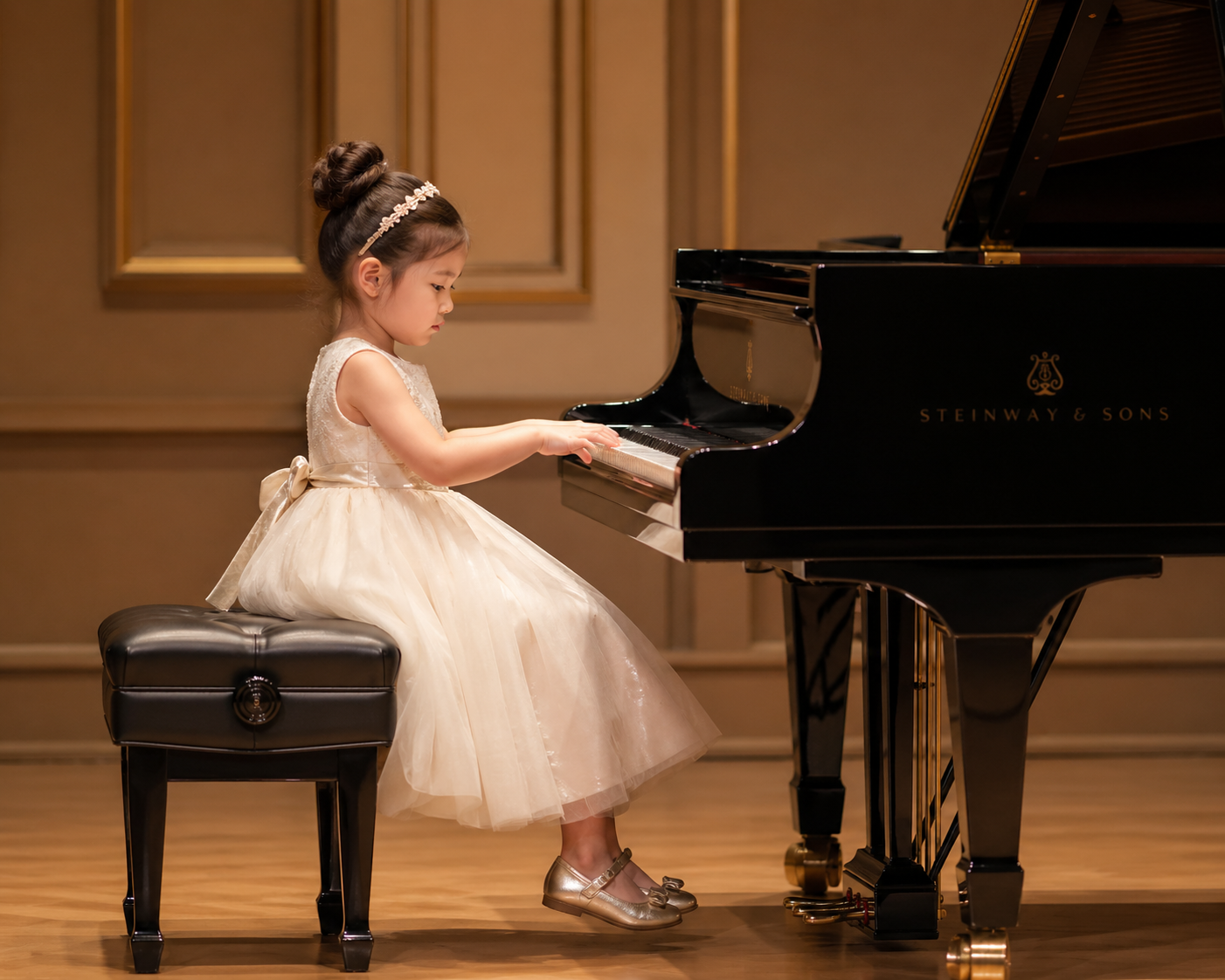
Listening to music is valuable—but playing an instrument requires action. It demands coordination, attention to detail, and steady effort over time.
When children learn an instrument, they engage multiple parts of the brain at once. Reading notes, coordinating physical movement across the body—hands, fingers, and even the feet—listening closely, and keeping rhythm all work together.
This kind of combined mental and physical engagement strengthens memory, focus, and problem-solving skills—often without children even realizing they are “learning.”
2. “Decoding” Music: Learning to Read and Understand
Playing an instrument goes beyond simply producing sound—it involves learning to interpret a kind of code. Written notes, rhythms, dynamics, and articulations all carry meaning.
As children learn to read and respond to these musical symbols, they develop skills that reach far beyond music. They begin to recognize patterns, think analytically, and make quick connections between what they see and what they do.
This ability carries over into other areas of life—whether in language, math, or problem-solving—training the mind to process complex information with clarity and confidence.
3. Building Patience and Discipline
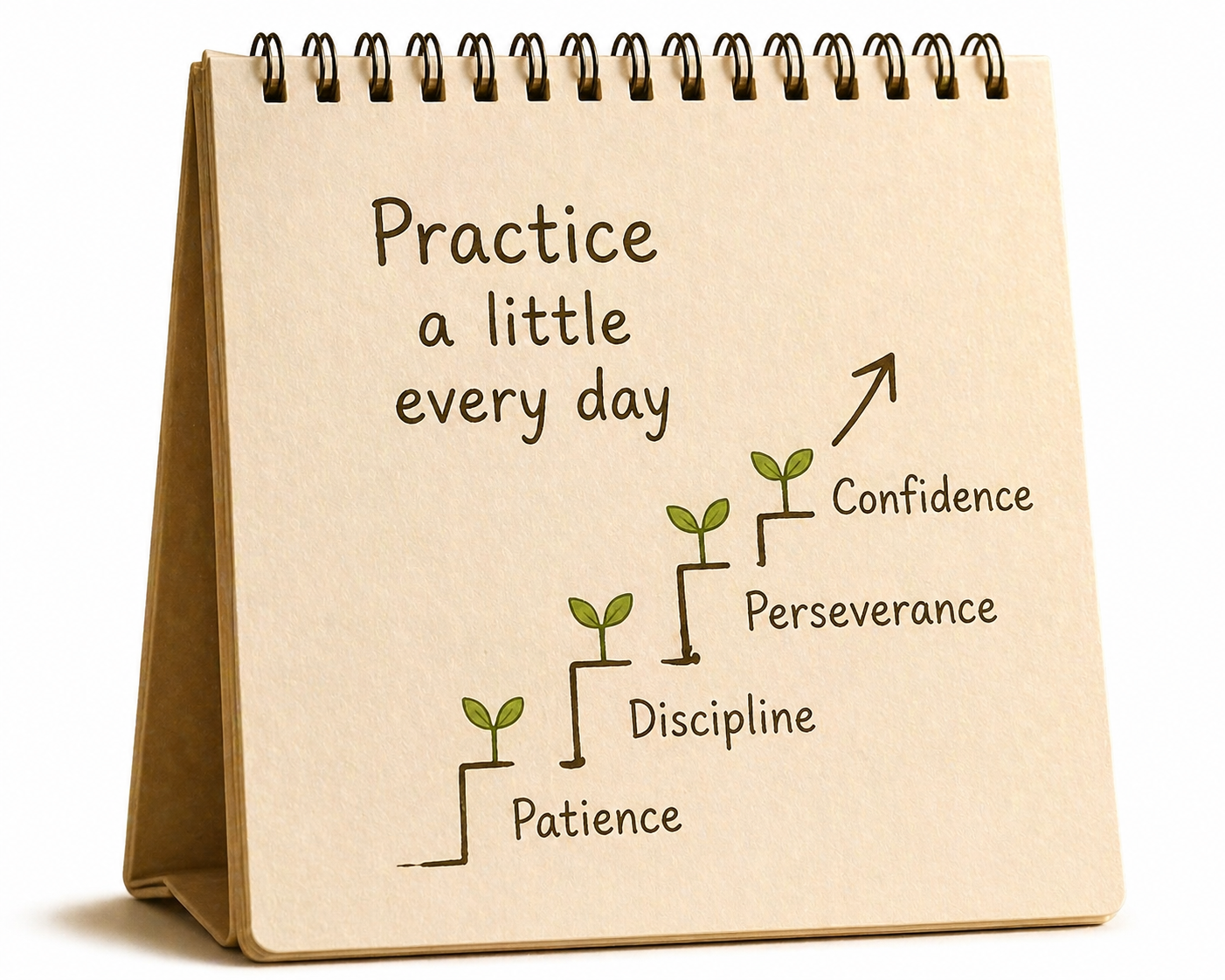
Progress in music takes time. There are no shortcuts to mastering a piece. A passage becomes smoother through patient repetition. This kind of hands-on discipline builds not only skill, but character.
Even a few focused minutes each day can teach perseverance and build confidence. This steady, faithful practice reflects a deeper truth—that growth often happens little by little, as we remain faithful in small things (Luke 16:10).
4. Forming a Lifelong Skill
Starting early doesn’t mean pushing for perfection—it means building familiarity at the right time. Just like language, the earlier the exposure, the more naturally music becomes integrated into a child’s life
An instrument learned young often stays with them—not always as a profession, but as a lifelong companion.
5. A Gift That Points Beyond Itself
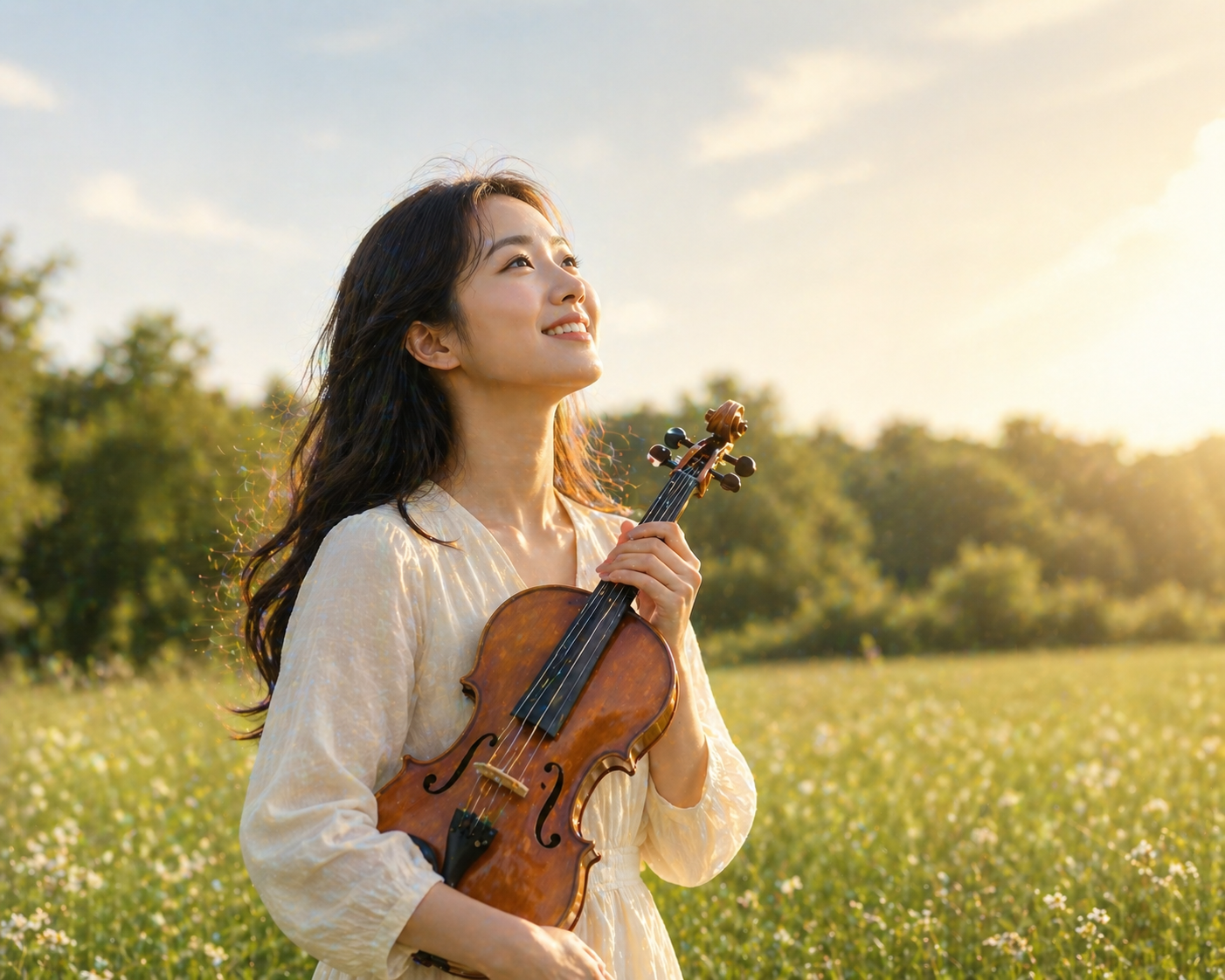
Learning an instrument can also shape how a child comes to understand their gifts. Music becomes more than just a skill—it becomes a way to serve others, express gratitude, and ultimately, to worship.
As Psalm 150:4 says, “Praise Him with strings and pipe.” Even simple notes, played by small hands, can carry a deeper purpose.
Previously: [Simple Music for Children: Start Today at Home]