The Question You Should Be Asking After Loss (It's Not "Why")
Here's something nobody tells you about grief:
There's no finish line.
Most people wait for the moment when it finally levels out — when the worst is behind them, when they can exhale and say okay, I'm through it. That moment doesn't always come. Sometimes the floor just keeps giving way.
If that's where you are right now, this book was written for you.

The Accident That Shouldn't Have Happened
In the autumn of 1991, Gerald Sittser was driving home from a trip with his family when a drunk driver crossed the center line and hit them head-on. In a single moment, he lost his mother, his wife Lynda, and his four-year-old daughter Diana Jane.
Three generations. One crash. One night.
Sittser wrote A Grace Disguised not as a grief manual or a theological treatise — but as a testimony. A record of what it is actually like to survive something that shouldn't have happened to anyone. The book is not tidy. It does not resolve cleanly. And that, it turns out, is precisely what makes it trustworthy.
What he discovered in the years that followed wasn't a technique for healing. It was something far stranger, and far more honest
The Wrong Question
Most of us, when catastrophe comes, ask the same question: Why did this happen to me?
Sittser spent time with that question. He found it led nowhere useful. Not because the question is wrong, but because it assumes that if we only had the right answer, the pain would loosen its grip. It doesn't work that way.
The question Sittser found more generative was different: What kind of person am I going to become because of this?
That shift — from why to who — is subtle, but it changes everything. It moves the center of gravity from the wound to the will. Not the will to stop grieving, but the will to remain open. To let the loss do something to you rather than simply crush you.
I found that distinction worth sitting with for a long time.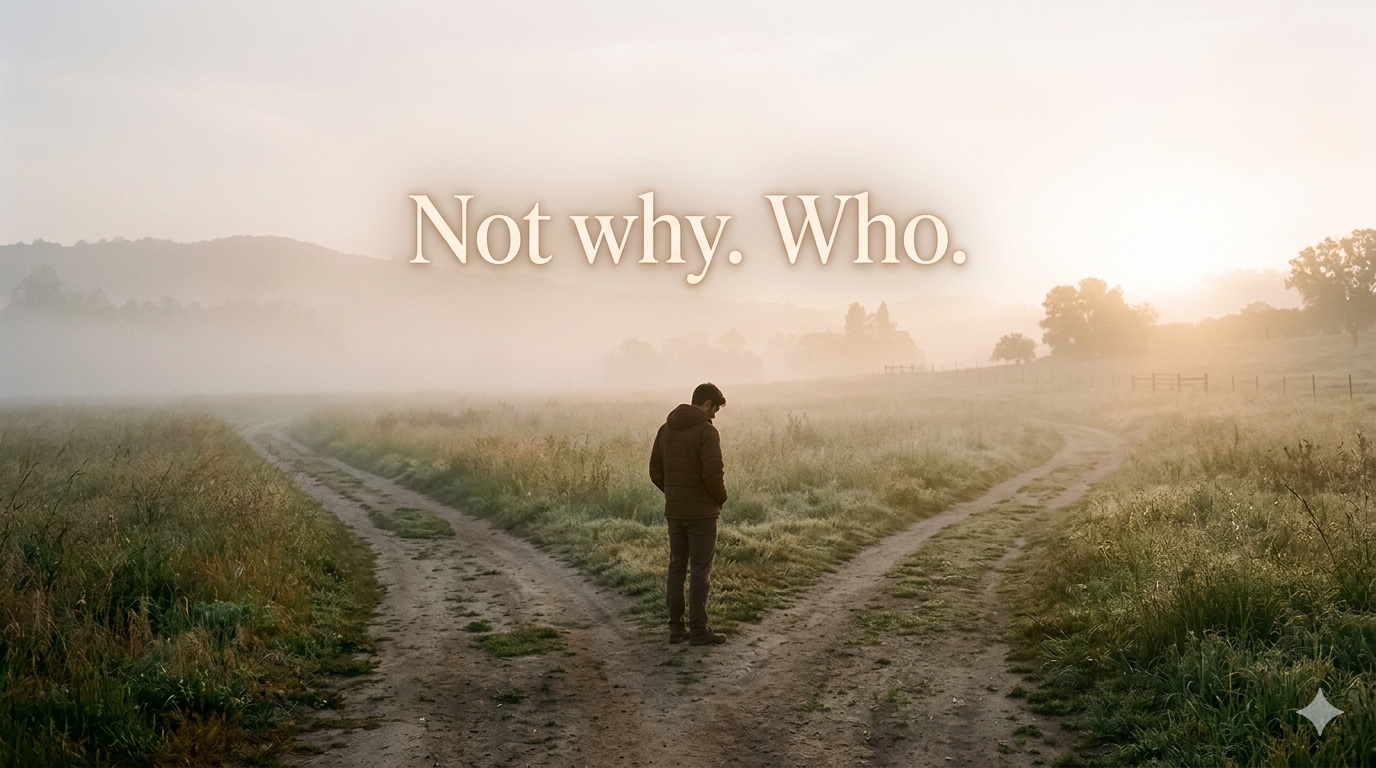
Darkness You Walk Into, Not Through
One of the most striking images in the book is Sittser's account of a dream he had shortly after the accident. He saw himself chasing the setting sun — running west as fast as he could, desperate to catch the light before it disappeared. He never caught it.
A friend interpreted the dream differently: Turn around. The only way to see the sunrise is to stop running from the darkness.
Sittser writes that this became his guiding metaphor. Grief is not a tunnel you endure until you emerge on the other side. It is a landscape you must enter and inhabit. The people who do that — who don't flee the darkness but walk into it — are the ones whose souls become, in his word, enlarged.
Not healed. Enlarged.
That is a different promise than the one most grief books offer. It doesn't say the pain goes away. It says that if you don't run from it, the pain can make you more — more compassionate, more present, more capable of sitting with another person in their own darkness without flinching.
The Catastrophic Loss of Self — and What Grows Back
Sittser is careful to name what he means by loss. He is not talking only about the death of people we love, though that is his starting point. He means the kind of loss that restructures your entire identity — that takes away not just someone you loved but the version of yourself that existed in relation to them.
When Lynda died, he didn't just lose a wife. He lost the person he was when he was her husband. When his mother died, he lost a particular kind of belonging. When Diana Jane died, he lost a particular kind of future he had imagined without knowing he was imagining it.
These secondary losses — the losses beneath the loss — are what make catastrophic grief so disorienting. You're not just mourning someone. You're mourning whole rooms of yourself that have been sealed off.
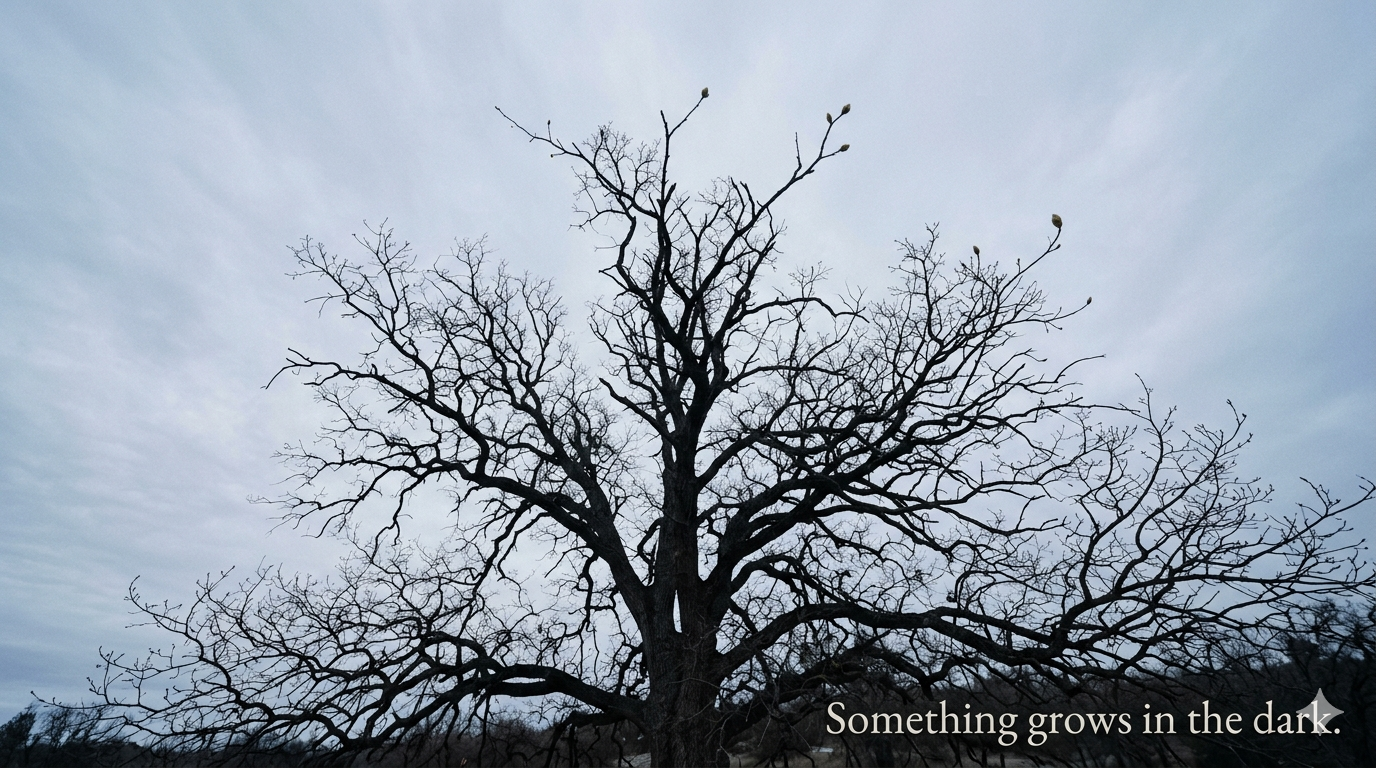
The grace Sittser describes — the grace that is disguised — is not comfort. It is the slow, unasked-for discovery that those sealed rooms do not define the total of who you are. That something remains. That something, eventually, begins to grow again — not in spite of the loss, but because of the particular shape it left behind.
A Book That Doesn't Try to Fix You
What A Grace Disguised will not do: it will not explain why God allowed your loss. It will not offer a five-step recovery process. It will not tell you that everything happens for a reason, or that your loved one is in a better place, or that time heals all wounds.
What it will do: it will sit with you. It will confirm that your grief is real and that the darkness is real and that the impulse to run from both of those things — though completely understandable — is worth resisting.
Sittser writes from a Christian perspective, and that perspective is present throughout the book. But his theology is not triumphalist. It does not treat suffering as a problem God solves. It treats suffering as a place where, if you are willing to remain, something unexpected can find you.
I believe that something is worth looking for — whether or not you share his faith.
If you are in a season of loss, or walking alongside someone who is, A Grace Disguised is one of the most honest books I know of on the subject.
You can check out the book here if you’d like (affiliate link).