What to Do with Your Vehicle in Case of a Flood
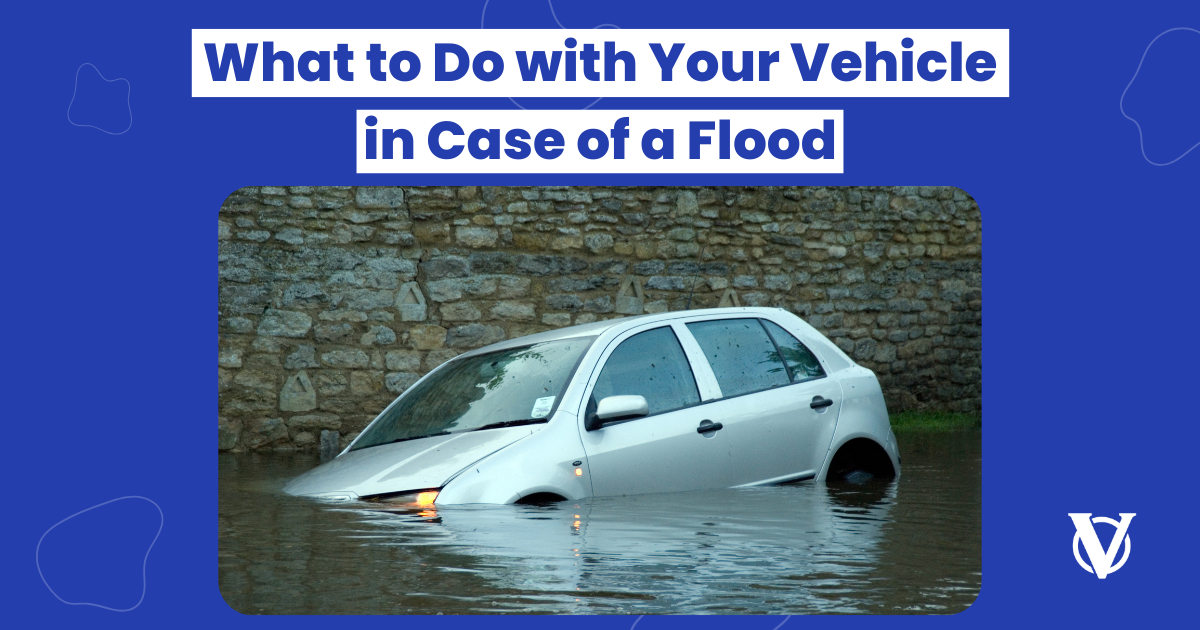
Floods can happen fast—and when they do, your vehicle is at serious risk. Whether your car was submerged during a heavy storm or caught in rising street water, knowing what to do next can save you from long-term damage and high repair bills.
Here’s a step-by-step guide to help you manage the situation and ensure your insurance coverage works for you.
Step-by-Step Guide: How to Handle a Flooded Vehicle
1. Do Not Start the Engine
Even if the water has gone down, resist the urge to turn on your vehicle. Starting a wet engine can cause severe and irreversible damage.
2. Disconnect the Battery
To avoid short circuits or electrical fires, disconnect the battery as soon as it's safe to do so.
3. Document the Damage
Take clear photos and videos of the affected areas—interior, engine bay, undercarriage, and surroundings. These will help when filing your insurance claim.
4. Check How High the Water Reached
Flood levels that reach above the dashboard often mean serious internal damage. This information will help determine if your vehicle can be repaired or needs replacing.
5. Contact Your Car Insurance Provider Immediately
Notify your insurer and provide all necessary documentation. If your policy includes Acts of Nature coverage, you may be eligible for repairs or total loss compensation.
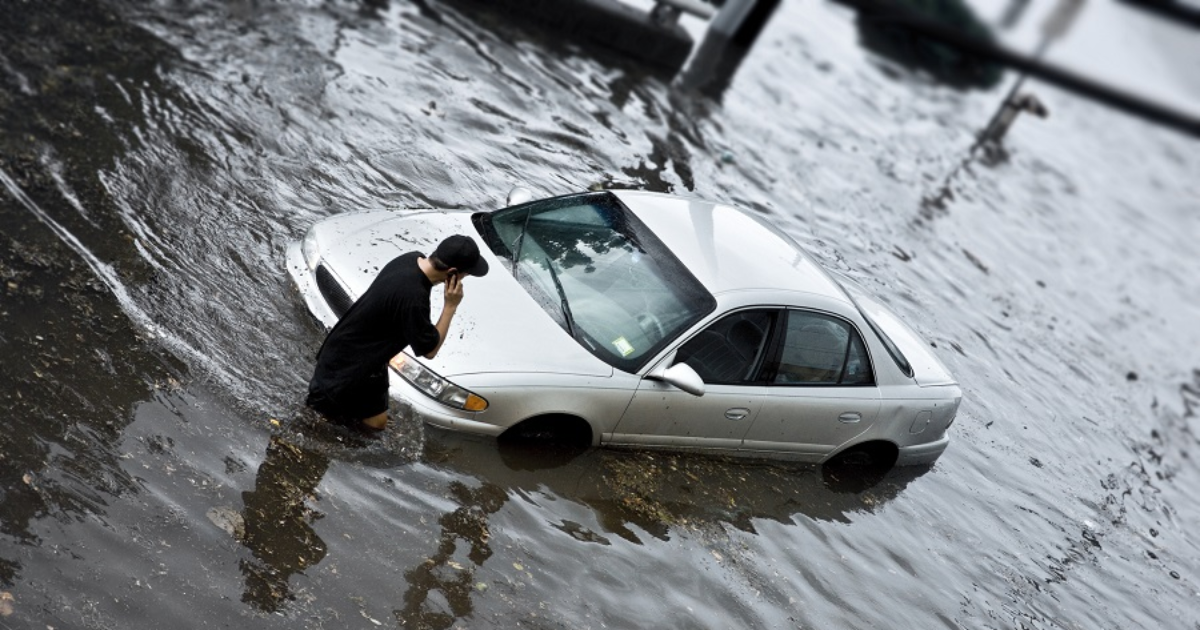
Source: Freepik
6. Have Your Car Towed to a Repair Shop
Don’t drive it. Arrange for towing to an authorized or recommended auto repair center for a full damage assessment.
Why Car Insurance with Acts of Nature Coverage Matters
Many vehicle owners are surprised to learn that standard third-party liability insurance does not cover flood damage. That’s why comprehensive insurance with Acts of Nature coverage is so important.
Key Benefits of Comprehensive Coverage:
- Protection from typhoons, floods, and other natural calamities
- Financial coverage for repairs or replacement
- Access to roadside assistance and towing services
- Peace of mind during extreme weather events
At Vigattin Insurance, we offer affordable car insurance plans that include flood protection and 24/7 claims support—so you’re never left alone in an emergency.
Pro Tips to Protect Your Car Before the Next Flood
- Avoid parking in low-lying or flood-prone areas
- Stay informed through weather alerts and advisories
- Keep your insurance policy updated and accessible
- Consider upgrading to a plan that includes natural disaster coverage
Final Thoughts
Floods are unpredictable, but your response doesn’t have to be. Knowing what to do with your vehicle in case of a flood can help you reduce damage and recover quickly. More importantly, having the right car insurance—especially one that covers Acts of Nature—gives you confidence and security during the storm.