Dr. Ben Carson Reflects on Faith, Freedom, and the Vitality of the Bible
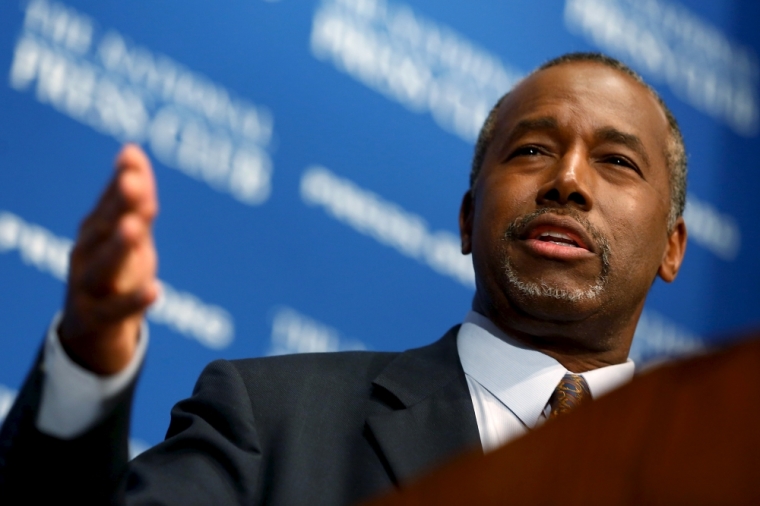 Dr. Ben Carson | Christian Post
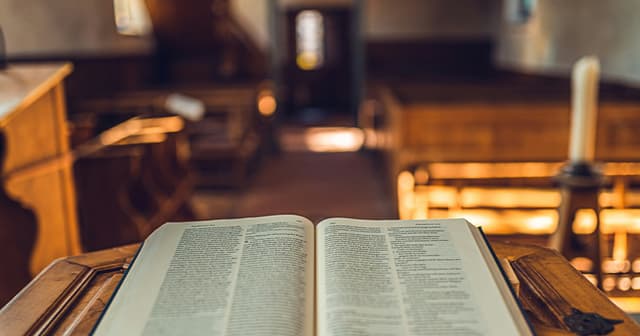
WASHINGTON – Organized as part of the United States’ 250th Birthday, the recent America Reads the Bible event aimed to highlight the historical and cultural influence of Scripture in American life. More than 475 people from across government, ministry, business, and entertainment took part, creating what organizers described as one of the largest coordinated public Bible readings in the nation’s history.
For many of the participants, the event was more than an opportunity to read Scripture in a public forum to mark a significant milestone. It was a time to reflect on what the Bible means to them personally, and a chance to place God's significance in our heritage of freedom, liberty, and truth.
One of those participants was Dr. Ben Carson. I recently sat down with the renowned neurosurgeon, author, and former HUD Secretary to discuss the role of Scripture in America’s founding, and the personal faith that has guided his life—from his childhood influences to the Biblical verses that continue to shape his perspective today.
Why is ‘America Reads the Bible’ such a pivotal event as we move toward America’s 250th birthday celebration this summer?
It’s because our nation was founded on Biblical principles. A lot of people try to say, ‘Oh, no, no, they didn't really believe in God.’ Or ‘Those people obviously have not read their writings.’ ‘They're not familiar with stories like ‘The Bulletproof George Washington’ and some of the incredible things that happened during the Revolutionary War.’ And the fact that our founding document, the Declaration of Independence says that our rights come from our creator. And we've lived that. That was really the reason I believe that we went from a ragtag bunch of militiamen to the pinnacle of the world. That was not a coincidence. That was because we accepted God. We put it on all of our money. It says, ‘In God We Trust.’
For the ‘America Reads the Bible’ event you read 2 Chronicles 8. What can you tell me about this passage of God’s Word?
It's a historical passage that talks about some of the things that Solomon did, some of the things that he had, and how he treated some of the people who were left in the land. Some of the people who they had battled against, who still managed to survive, and how he worked out a way that they could all live harmoniously together. It's pretty amazing all the things he did. And that's just before it talks about his meetings with the Queen of Sheba and how impressed she was with his wisdom and his wealth.
In your own life, do you have a favorite verse that you like to draw from or one that you've sort of gone through life with?
There are a lot of them, but particularly Proverbs 3:5-6, “Trust in the Lord with all your heart and lean not on your own understanding; in all your ways submit to Him, and He will make your paths straight.” As I was laboring and climbing the ladder, I found this verse to be very helpful. Also, Proverbs 22:4, which says, “Humility is the fear of the Lord; its wages are riches and honor and life.”
How were you first introduced to the Bible? Was it a family member, a friend, or a local church? What was that experience for you?
As a youngster, we always went to church. We went every weekend and even took part in some extra church activities. My mother was a tremendous believer in God. She had very little education, but she loved to talk about God, and she liked for us to read the Bible to her because she was basically illiterate. She did eventually teach herself to read, and got her GED. She then went to college and in 1994, got an honorary doctorate. So, she was Dr. Carson too.
Is there a valuable lesson that you have learned from the Bible recently? Is there something that you would be willing to share as it relates to your personal life?
What I've discovered is that whenever I have any anxiety about anything, I can find peace in God's Word. I asked President Trump once, “You're 79 years old, most people your age are sitting on the porch in a rocking chair. Where are you getting all of this energy from?” And without hesitation, he said, “God.” Some people might say, well, he doesn't act like that. God uses all kinds of pieces (to serve His purposes).
With all due respect, I'm going to exclude Jesus from this question, but do you have a personal hero from the pages of Scripture? Someone that you really identify with.
Yes. That would be Joseph. I wasn't particularly fond of his braggadocio behavior. But he ended up being sold into slavery by his own brothers. What a bummer was that? And then he ends up in Potiphar's household. He proved himself to be an outstanding worker and also had outstanding character. He ends up in jail. Now, I'm sure that Potiphar’s wife was lying and that Joseph wouldn't do a thing like that. But he had to make a choice. I'd keep my wife. I will put Joseph in jail. And then he spent all those years incarcerated. He wasn't resentful. He essentially says, ‘If I'm going to be a prisoner, I'll be the best person there.’ He ends up with a responsible position there, and ends up being talked about before the Pharaoh. Joseph ends up as the second most powerful person in Egypt. What a life. That story encouraged me when I was a kid living in poverty with nothing promising ahead. It really made me feel that anything was possible.
After people have had a chance to witness or experience this event (America Reads the Bible), as we spin this forward, what would you like to see happen as an outcome from it?
I would like to see people be intrigued by this. And when they find out 500 different people were reading, they want to hear all their voices. Because in the process of doing that, they may hear the voice of God.
For more information on the America Reads the Bible event please visit: America Reads The Bible | Join the Movement Now