I Thought It Was My Faith. It Never Was.(Basic Christianity Review)
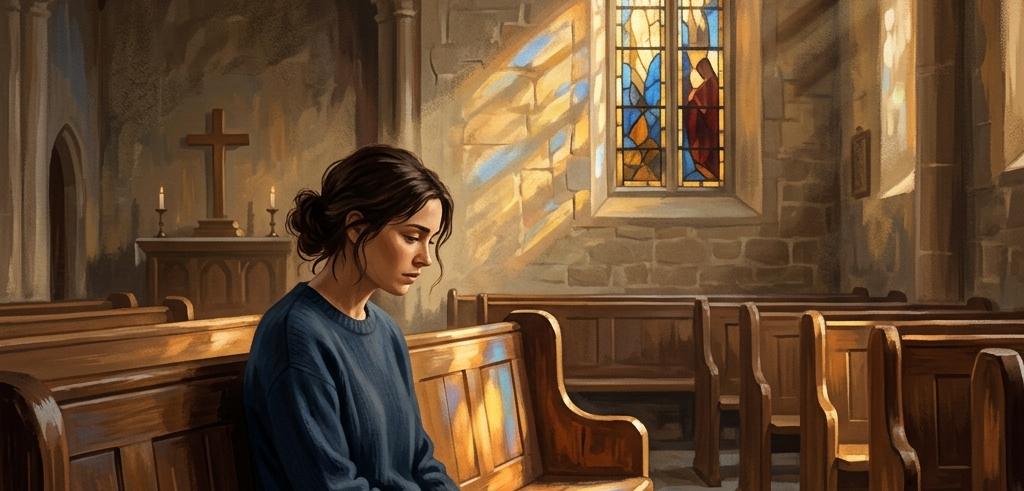
Have you ever sat in a church pew and felt it? That quiet, nagging thought: “I believe… I think. But if someone actually asked me to explain why, I’m not sure I could.”
Most of us grew up around these walls. We know the rhythm of the liturgy; we can sing the hymns by heart. But at some point, the faith we inherited starts to feel like a borrowed suit—one that doesn't quite fit and certainly wasn't made for us.
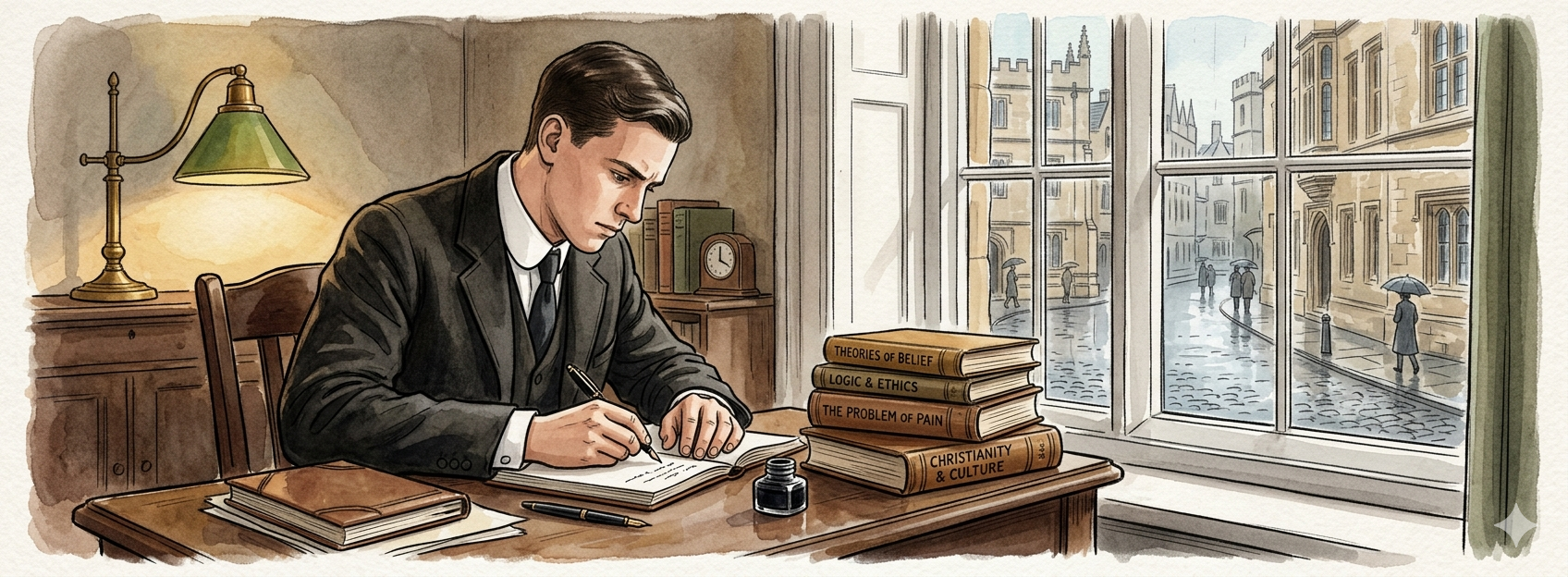
Flashback to 1950. A young curate named John Stott is at Cambridge, surrounded by students who keep hitting him with the same blunt question:
“I’m interested in Christianity, but where on earth do I even start?”
They weren't asking for a denomination or a church recommendation. They wanted the foundation. Stott realized there wasn't an honest, non-condescending answer he could just hand them. So, he decided to write one.
It wasn't a dense theological textbook or a light devotional. It was something much rarer—a straight answer to a real question, written by a man who had wrestled with those very same doubts.

Stott doesn't start with the resurrection or grand miracles. He starts with a question you can actually hold in your hands:
Who was Jesus—really?
He strips away the "Sunday School" fluff and looks at the actual claims Jesus made. He weighs the gravity of those words and what they demand of us if they happen to be true.
He calls it ‘commitment.’ Not a religious transaction or a ritual, but a deliberate, personal decision. In just 160 pages, Stott does something remarkable: he treats you like an adult who deserves a real, intellectual answer.
But here is where most readers find themselves caught off guard.
Usually, when you pick up a book like this, you expect logic, arguments, and evidence. But instead, Stott holds up a mirror and asks a question no one is ever quite ready for:
“Do you want Christianity to be true?”
It shifts the ground beneath your feet. It forces you to consider that before we ever weigh the "facts," our own desires often dictate what evidence we are willing to see. It’s a moment in the book that has left generations of readers feeling uncomfortably, yet accurately, seen.

The book is Basic Christianity by John Stott.
First published in 1958 and still in print today, it has been translated into over 60 languages. C.S. Lewis himself praised the work of Stott’s generation as some of the best modern Christian writing in existence.
If you’ve been looking to build a foundation for your faith—not just to feel it, but to truly know it—this is the first book I would put in your hands.
👉 **If this message resonated with you, you can get your copy on Amazon here (affiliate link). It’s a classic for a reason.