Liszt's Les Jeux d'eaux à la Villa d'Este (The Fountains of the Villa d'Este): Learning to Notice Wonder
There is something about water that has always inspired musicians—its endless movement, the way it catches light, and the fact that it never seems quite the same twice.
In the series The Sound of Water, we will explore piano music inspired by water and the reflections it can awaken in our lives and faith.
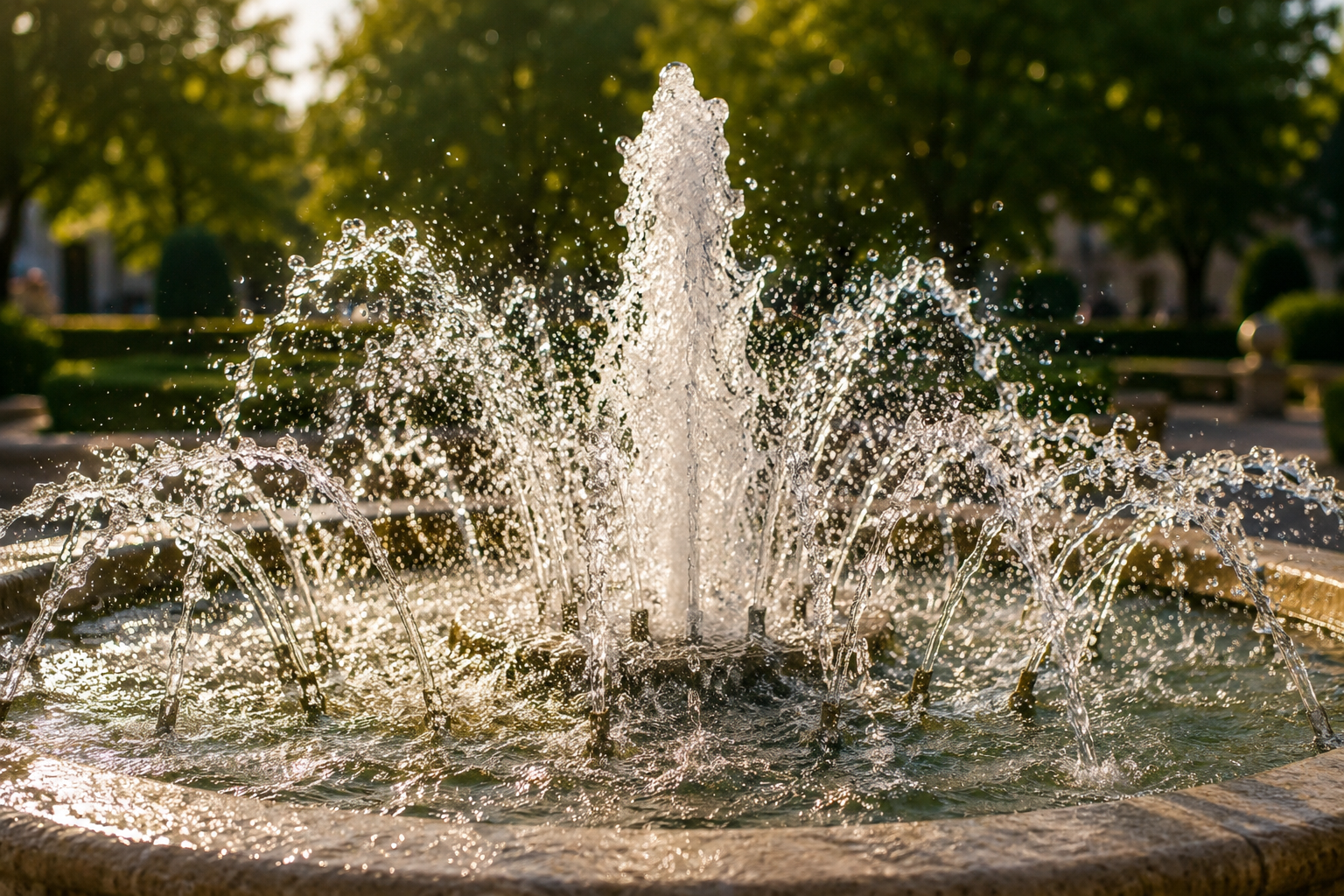
Water often invites us to slow down and notice beauty we may have overlooked. Have you ever become so familiar with something beautiful that you hardly notice it anymore? A favorite view, a daily walk, the changing sky, or even the people we love can fade into the background as familiarity dulls our sense of wonder.
Franz Liszt’s Les Jeux d’eaux à la Villa d’Este (The Fountains of the Villa d’Este) captures the sparkling movement of fountains in sunlight. Through shimmering textures and flowing passages, Liszt transforms the piano into something that seems almost alive, reflecting the beauty, movement, and light of water itself.
Inspired by the fountains of the Villa d’Este in Italy, this piece comes from the third volume of Liszt’s Années de pèlerinage (Years of Pilgrimage), written during his later, more reflective years.
More than a musical picture of flowing fountains, this piece invites us to rediscover the wonder hidden in the world around us. Its delicate sounds and radiant colors remind us that beauty is often closer than we think—many of life’s greatest gifts are not hidden from us, but have simply become familiar.
“The heavens declare the glory of God; the skies proclaim the work of his hands.” — Psalm 19:1
Through creation, God reveals His goodness and glory. Yet in the busyness of daily life, we can overlook the quiet ways His grace surrounds us. Gratitude begins when we learn to see familiar things with fresh eyes and notice the wonder that has been there all along.
As you listen to Liszt’s Les Jeux d’eaux à la Villa d’Este, consider the beauty, blessings, and moments you may have stopped noticing. What might God be inviting you to see again today?
Listen to Liszt’s Années de pèlerinage, Troisième année (Years of Pilgrimage, Third Year) here (affiliate link).
Read previous: The Messiah and the Joy of Good News: Handel’s For Unto Us a Child Is Born