[Movie Review] The Fall Guy The Value of Hidden Sacrifice
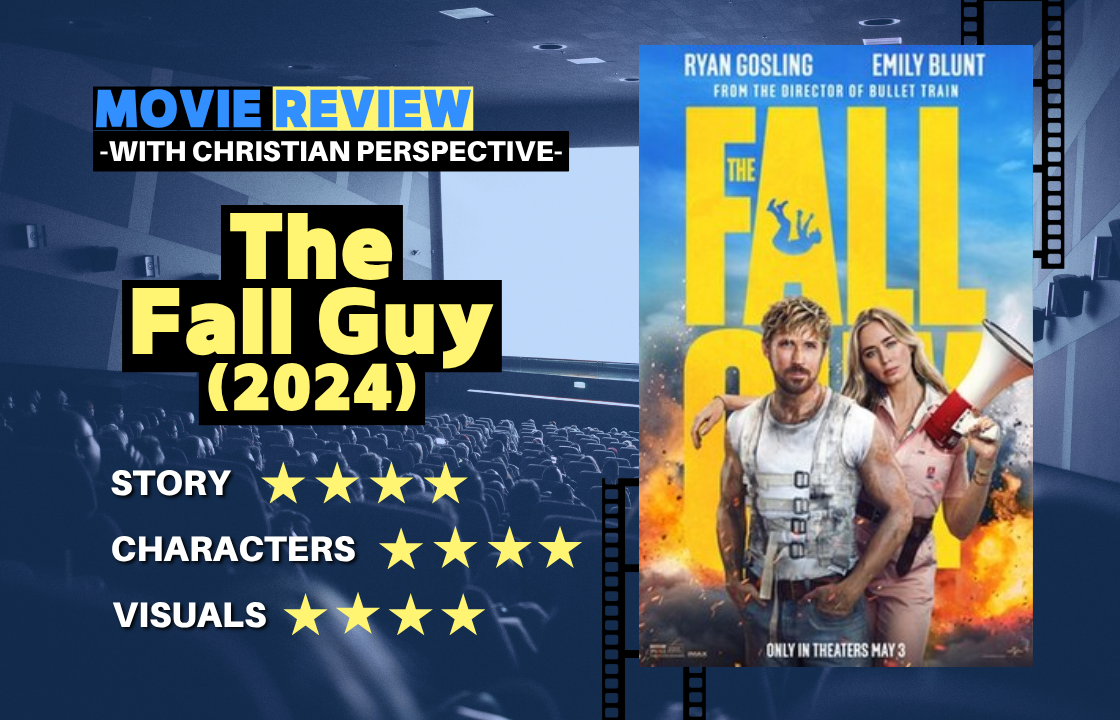
At first glance, The Fall Guy looks like your typical action-comedy popcorn flick. But if you look a little closer, it’s actually an intriguing exploration of "invisible sacrifice," identity, and the blur between what’s fake and what’s real. It’s a fun blockbuster on the surface, but it carries some surprisingly deep symbols regarding modern society and human nature.
A Story of the Man Behind the Mask
The movie follows Colt Seavers, a stuntman. He isn’t the "hero" in the spotlight; he’s the guy who gets bruised, burned, and blown up so the hero looks good. After an accident pushes him out of the industry, he returns to the set to help his ex-girlfriend, Jody, with her directorial debut. Naturally, things go south when the movie’s lead star goes missing, turning a controlled film set into a very dangerous reality.
In the U.S., critics hailed it as a "proper popcorn movie"—a breath of fresh air that respects the craft of actual stunt work over excessive CGI. While some found the plot predictable or the ending a bit messy, the general consensus was that its 80s-style charm and modern execution made for a healthy, upbeat alternative to the cynical, dark films we often see today.
The Biblical Parallel: Invisible Service
From a spiritual perspective, the most fascinating part of the film is the concept of a "stuntman." A stuntman takes on danger behind someone else's face. He doesn’t get the standing ovation, his name isn't on the marquee, and he often remains invisible. This mirrors the biblical theme of hidden service.
Jesus consistently uplifted those who served from the shadows:
"But whoever would be great among you must be your servant."
(Mark 10:43)
Colt isn't a perfect hero. He fails, he gets hurt, and he even tries to run away. But ultimately, he steps back into the fire for someone else. In a culture that often celebrates self-centeredness, the movie highlights a "sacrificial masculinity"—the simple, brave act of putting your body on the line for another.
Truth in a World of Make-Believe
There’s also a powerful irony in the setting. A film set is, by definition, a place where everything is staged and artificial. Yet, in the middle of all that "fake," we see very real emotions: love, betrayal, and fear.
It’s a bit like our current era of social media. We spend so much time "directing" our public images, but reality eventually catches up. The Bible reminds us that while the world looks at the surface, God looks at the core:
"For the Lord sees not as man sees: man looks on the outward appearance, but the Lord looks on the heart."
(1 Samuel 16:7)
The "movie star" in the film is glamorous but empty and selfish. Meanwhile, the stuntman—the "faceless" one—possesses the true humanity. It’s a vivid reminder that the world’s hierarchy is often the exact opposite of the Kingdom of God’s values.
The Verdict
Of course, it’s still a Hollywood action movie. It has its share of rough language and secular tropes, and it doesn't quite bridge the gap between human sacrifice and the ultimate need for Gospel-level redemption. It shows the what of sacrifice, but doesn't necessarily answer the why of our need for a Savior.
However, The Fall Guy stands out for its warmth. It forces us to acknowledge the value of the "unseen." The world only remembers the lead actor, but reality is built on the sacrifices of those whose names we’ll never know—in film, in our families, and in the church. Someone gets the applause, but someone else held the line. And as the Bible often shows, it’s through those hidden people that the most important work gets done.