Ravel's Jeux d'eau (Water Games): Finding Beauty in Movement
Life is never static. Our plans, our relationships, and even our emotions are constantly changing, often in ways we cannot predict or control.
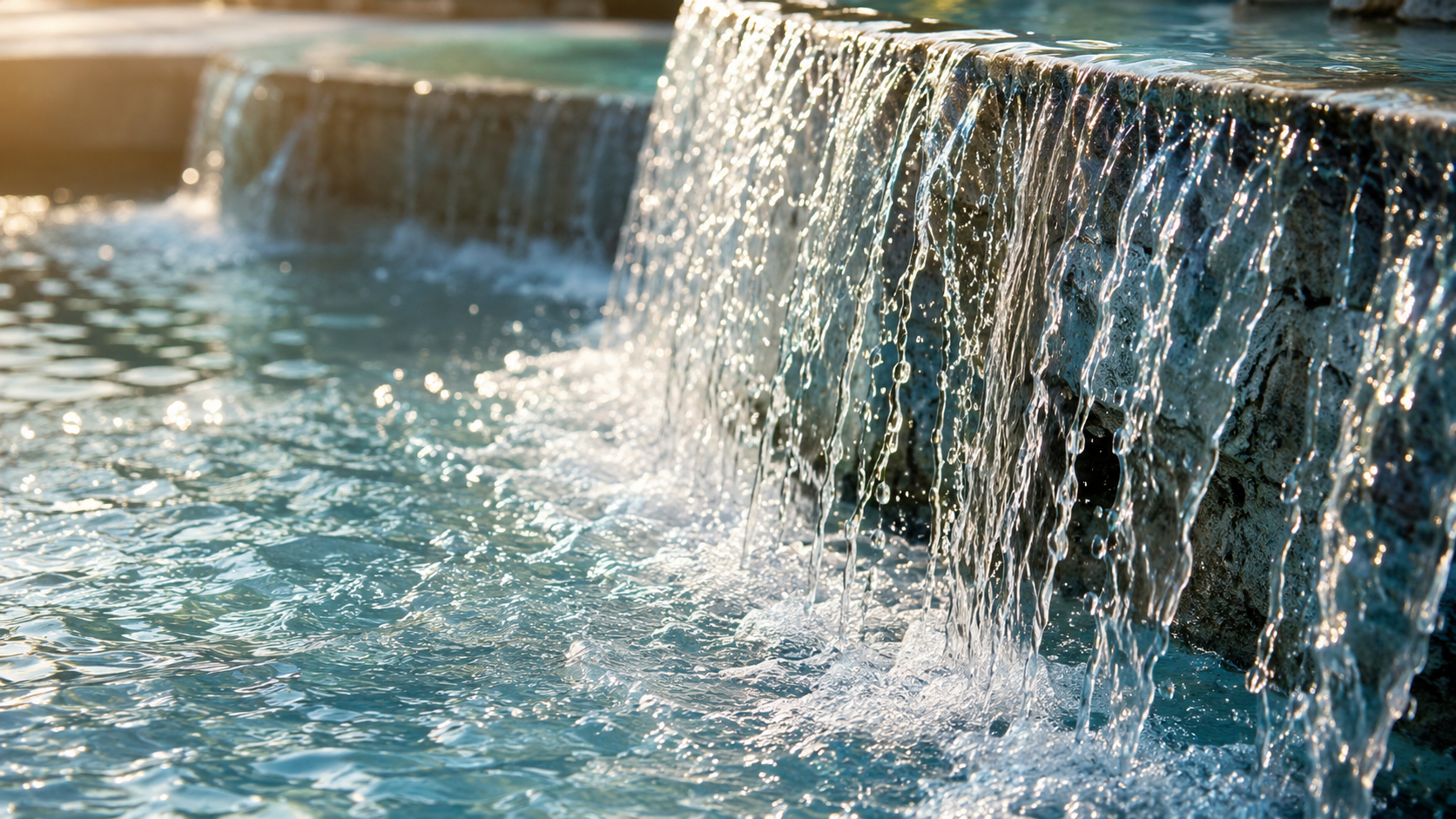
Water offers a vivid picture of this reality. It ripples, falls, gathers, and flows onward, never remaining quite the same from one moment to the next. Yet it is precisely this movement that gives water much of its beauty.
Maurice Ravel's Jeux d'eau (Water Games) captures that beauty in sound. Sparkling arpeggios and shimmering passages flow across the keyboard like sunlight dancing on moving water, creating a world that is constantly shifting yet endlessly captivating.
Composed in 1901, Jeux d'eau was inspired by fountains and flowing water. Ravel transformed those images into music that feels alive with motion. The piece rarely settles for long. Instead, ideas appear, change shape, and disappear, much like water itself.
Change is rarely easy. We often long for stability, yet growth frequently comes through seasons of transition rather than seasons of certainty. While life continues to change around us, Scripture points us to One who remains unchanged:
“Jesus Christ is the same yesterday and today and forever.” — Hebrews 13:8
Faith does not remove change from our lives. Instead, it reminds us that while circumstances shift, God's character remains constant. His love, faithfulness, and promises do not rise and fall like the tides. Because He is unchanging, we can face changing seasons with confidence and hope.
As you listen to Jeux d'eau, notice how its flowing lines and ever-changing patterns continually move forward. As you reflect on the changes in your own life, consider that beauty may be found not only in stability, but also in trusting the One who remains the same through every change.
Listen to Ravel's complete piano works here (affiliate link).
Read previous: Liszt's Les Jeux d'eaux à la Villa d'Este (The Fountains of the Villa d'Este): Learning to Notice Wonder