What is Hantavirus? A Prevention Guide Learned from Christian History
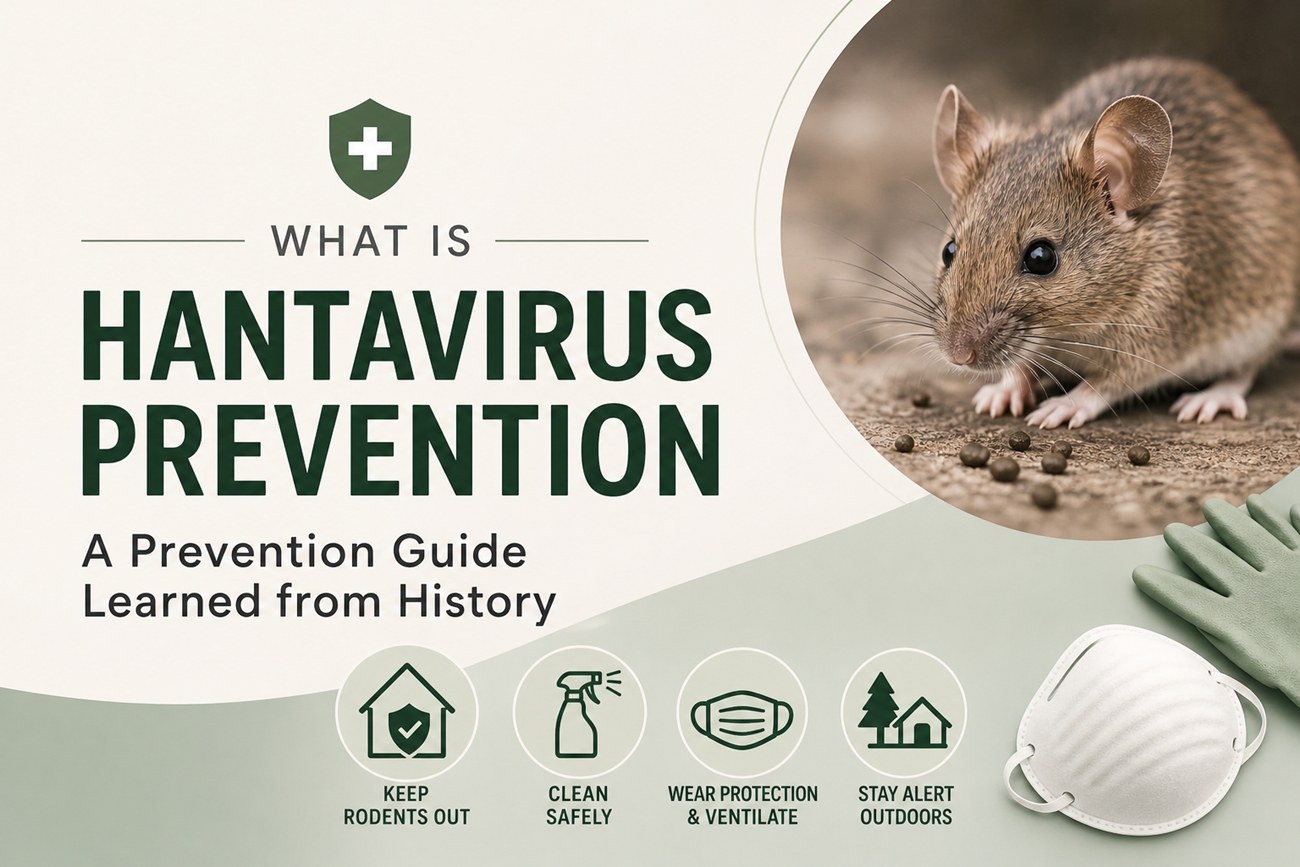
How Christians Responded to Epidemics — And What We Can Learn About Hantavirus Prevention Today
Recently, public health alerts and media reports about hantavirus cases have been increasing again, particularly in rural areas and environments with high rodent activity. Notably, recent reports indicate that three deaths have occurred due to hantavirus infections in certain regions, further raising public concern. This serves as a renewed reminder of the importance of prevention, hygiene, and environmental management within communities. Although infections remain relatively rare, health authorities continue to emphasize that early caution and safe cleaning practices are essential protective measures.
When we think about epidemics, it’s easy to assume that people in the past had little understanding of prevention. But history tells a different story. Christian communities, in particular, often responded to outbreaks with a combination of faith, responsibility, and surprisingly practical health measures.
A Look Back: Faith and Prevention Working Together
During major epidemics like the Antonine Plague and the Black Death, many Christians didn’t simply ignore the danger. Instead, they took intentional steps to reduce harm.
They practiced basic hygiene, avoided unnecessary contact, and in some cases, isolated the sick to prevent further spread. At the same time, they cared for the vulnerable and helped create early forms of hospitals and organized community care.
This balance is important. It wasn’t reckless faith—it was faith expressed through wise action.
And that same principle still applies today.
Why This Matters Today: Understanding Hantavirus
Fast forward to the present, and we still face health risks that require awareness and prevention. One of these is hantavirus.
Hantavirus is a rodent-borne virus that spreads when people inhale contaminated particles from rodent droppings, urine, or saliva. In some cases, it can lead to Hantavirus Pulmonary Syndrome (HPS), a serious and potentially life-threatening condition.
The key thing to understand is this: infection usually happens not through obvious contact, but through everyday environments that haven’t been properly managed.
Practical Hantavirus Prevention (Simple but Critical)
1. Keep Rodents Out of Your Home
Prevention starts with eliminating exposure.
Seal any holes or gaps in walls, doors, and floors. Even small openings can allow rodents inside. Store food in airtight containers, and reduce clutter where rodents can nest. If needed, use traps to control the population.
A clean and sealed environment is your first line of defense.
2. Be Careful When Cleaning
This is where many people make mistakes.
If you find rodent droppings, don’t sweep or vacuum them while dry. This can release harmful particles into the air. Instead, spray the area with a disinfectant (like a diluted bleach solution) and let it sit before cleaning.
Always wear gloves and a mask, and make sure the area is well-ventilated—especially in enclosed spaces like attics, sheds, or cabins.
3. Stay Alert in Outdoor or Rural Areas
If you spend time camping or visiting rural areas, take extra precautions.
Avoid sleeping directly on bare ground. Keep food sealed and away from rodents. If you’re entering a cabin or storage space that hasn’t been used in a while, air it out before spending time inside.
These small habits can significantly reduce risk.
The Bigger Picture: Prevention Is Responsibility
Looking back at history, one thing becomes clear: prevention is not just about self-protection—it is also about responsibility toward others.
Christian communities understood this well. Their response to epidemics was rooted in both compassion and wisdom.
“No one should seek their own good, but the good of others.” - 1 Corinthians 10:24
Today, whether we are dealing with historical-style outbreaks or modern risks like hantavirus, the principle remains the same:
Prevention requires awareness, intentional habits, and a willingness to act.
Final Thoughts
So the question isn’t just “How do we stay safe?”
It’s also “How do we live responsibly in a shared world?”
From historical epidemics to modern-day health risks, the answer hasn’t changed much:
Wise action, consistent habits, and care for others make all the difference.