When Chopin Dreamed: Why His Nocturnes Still Speak to the Heart
Frédéric Chopin is often remembered for the deep emotions found in his piano music. His nocturnes reveal a more private side of his musical world—the quiet thoughts, dreams, and reflections he carried within.
Among the many famous Chopin pieces, his nocturnes remain some of his most beloved works. One of Chopin’s greatest gifts was transforming the piano into a singing instrument. Inspired by the bel canto style of Italian opera, he created melodies that breathe and phrase like the human voice.
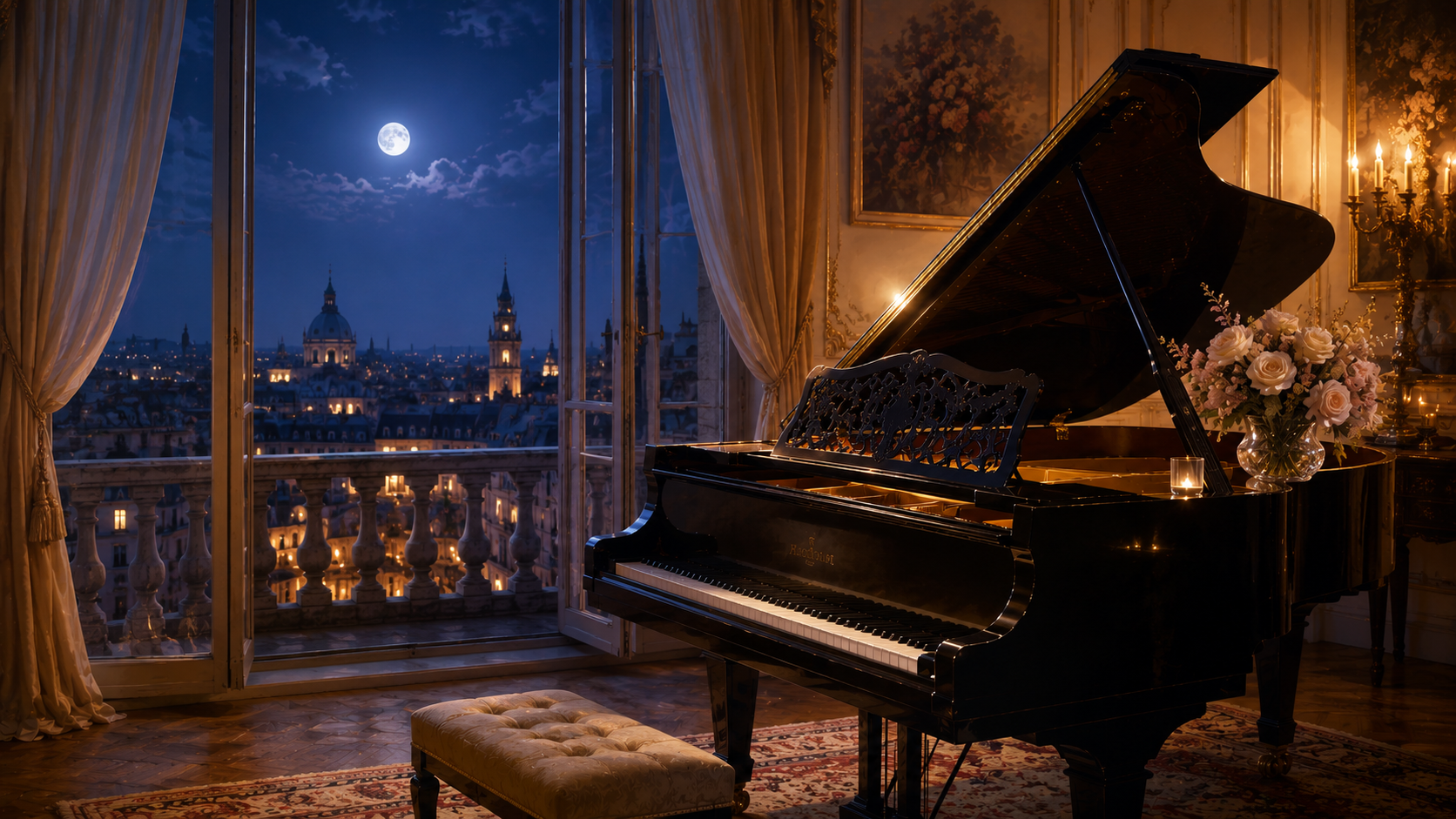
The Poetry of the Night
The word nocturne comes from the Latin word for “night.” Before Chopin, composers had already written music inspired by the evening, but Chopin gave the genre a new emotional depth. His nocturnes are not simply peaceful melodies; beneath their beauty are feelings of longing, hope, solitude, and remembrance.
The music creates a space for reflection and quiet contemplation. Perhaps this is why Chopin’s nocturnes continue to touch listeners today—they remind us that even our quietest moments can hold deep meaning.
A Voice in the Darkness: Nocturne in E-flat Major, Op. 27 No. 2
One of Chopin’s most famous nocturnes, Nocturne in E-flat Major, Op. 27 No. 2, captures the elegance and emotional richness of his style. The melody unfolds with a graceful, singing quality, while delicate ornamentation creates a sense of freedom and imagination.
Although the piece feels peaceful, there is a deeper emotional world beneath its beauty. Listening to this nocturne feels almost like hearing a private conversation of the heart—a moment of reflection expressed without words.
A Quiet Reflection: Nocturne in B Major, Op. 62 No. 1
Nocturne in B Major, Op. 62 No. 1 reveals the mature and thoughtful side of Chopin’s later music. From its very first harmony, the piece creates a sense of mystery and contemplation.
Rather than expressing only sadness or happiness, this nocturne captures the complexity of human experience. Written near the end of Chopin’s life, it feels like a quiet reflection from a composer who had known both beauty and hardship.
When the Piano Learned to Sing
Chopin’s nocturnes changed the way people understood the piano. He showed that the instrument could do more than display technical brilliance—it could whisper, dream, and express the hidden feelings of the heart.
The beauty of his nocturnes lies in their ability to transform silence into music. Like a quiet prayer, they invite us to slow down and listen, reminding us that even the stillest moments can hold deep meaning.
Explore Chopin’s complete Nocturnes here (affiliate link)
Read previous: When Chopin Remembered Home: The Story Behind His Mazurkas and Polish Identity