When Chopin Left Home: Piano Concerto No. 1 and the Music of Exile
In 1830, twenty-year-old Frédéric Chopin left Warsaw for Europe. At the time, Poland was facing political uncertainty under Russian rule. Although he hoped to build a successful musical career abroad, he would never return to his homeland.
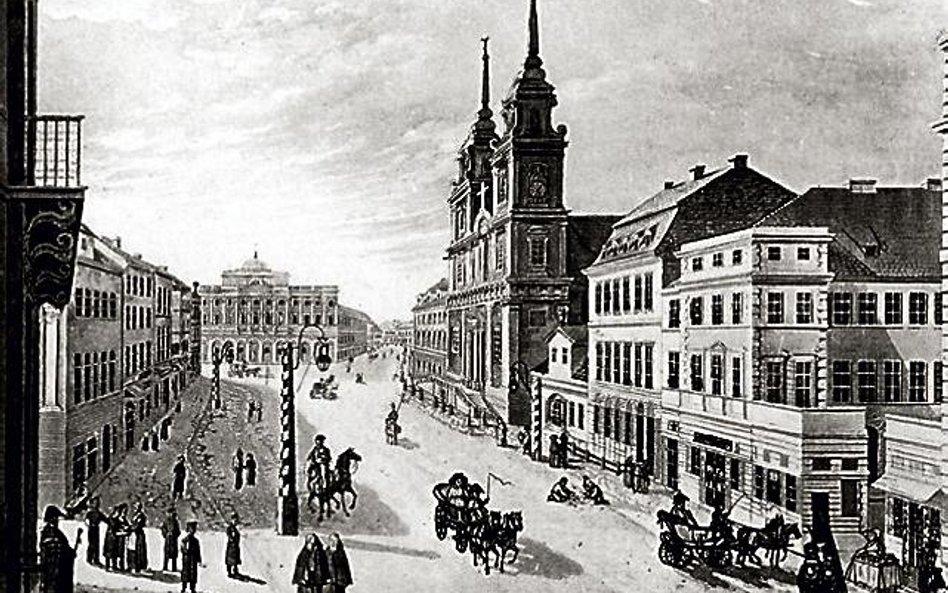
Leaving Poland was more than a change of place. Chopin carried with him memories of home—the landscapes, traditions, and people he loved. This longing for his homeland would become a quiet voice throughout his music.
A Young Composer Finding His Voice
Before leaving Warsaw, Chopin was already recognized as a gifted pianist and composer. His early works revealed a unique ability to express deep emotions through lyrical melodies and delicate piano writing.
Written shortly before his departure from Poland, Piano Concerto No. 1 in E Minor, Op. 11 captures the emotions of a young composer standing between hope for the future and attachment to home.
Rather than a dramatic competition between piano and orchestra, the concerto feels deeply personal—the piano becomes a voice expressing dreams, uncertainty, and emotions beyond words
A Farewell Hidden in Music
The first movement combines youthful confidence with moments of reflection. Its dramatic gestures and lyrical melodies create a sense of anticipation, as though Chopin were looking toward the future while still holding on to memories of home.
The second movement, marked Romanze: Larghetto, reveals a more intimate side of Chopin. Its gentle, singing melody feels like a private memory—a moment of quiet reflection and longing.
The final movement brings youthful energy and movement, drawing inspiration from Polish dance rhythms. Even as Chopin looked toward the future, the music remained connected to the traditions of his homeland.
The Music of a Lost Homeland
Shortly after completing the concerto, Chopin left Poland. While traveling abroad, he learned that the November Uprising, a Polish movement for independence from Russian rule, had begun. Although he later became one of Europe’s most celebrated composers, he never returned to his homeland. Yet Poland remained a lasting source of inspiration, reflected in his mazurkas, polonaises, and other works.
His story reminds us that leaving a familiar place does not always mean losing it. Sometimes, what we carry with us becomes even more meaningful through distance. Chopin’s music began with a farewell, but that farewell became a lifelong expression of memory, longing, and belonging.
Discover Chopin’s Piano Concertos Nos. 1 & 2 here (affiliate link)
Read previous: Music & Painting (Part 7): Modernism, Abstraction, and Fragmented Vision