When Chopin Remembered Home: The Story Behind His Mazurkas and Polish Identity
When Frédéric Chopin left Poland in 1830, he could not have known that he would never return. Although he spent most of his adult life in Paris, his connection to Poland never faded. Through his mazurkas, he kept the sounds and rhythms of his homeland alive.
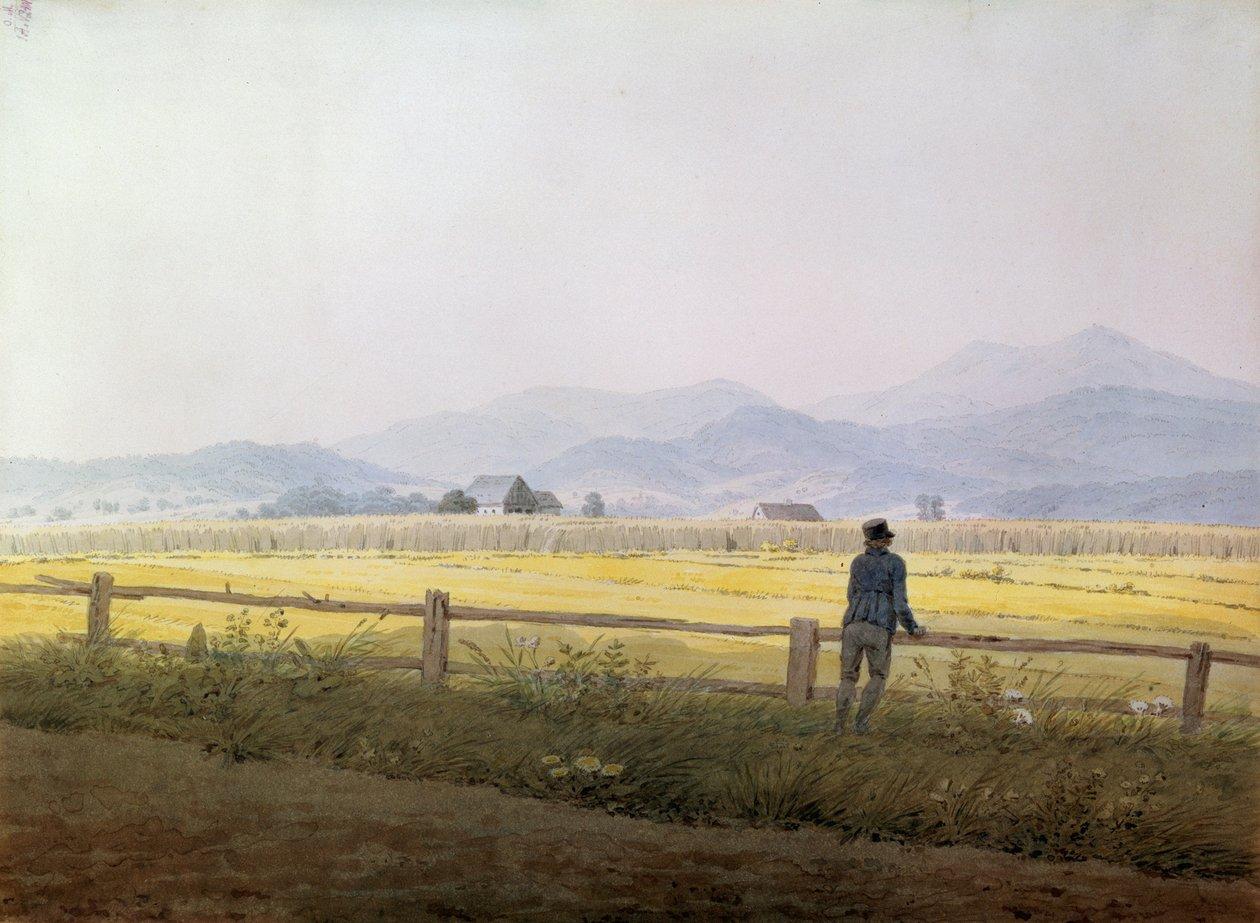
Just weeks after he left for Paris, the November Uprising broke out—a Polish rebellion against Russian rule. It failed, and the retaliation was brutal. The uprising changed the course of Chopin’s life, leaving him unable to return to his homeland and deepening his sense of longing for Poland.
More Than a Dance
Inspired by traditional Polish dances, the mazurkas were far more than elegant piano pieces. For Chopin, they became musical memories of home.
Rooted in the Polish countryside, the mazurka was a lively folk dance characterized by accents on the second or third beat. Chopin transformed these folk rhythms into a deeply personal and poetic art form. He returned to the genre throughout his life, creating nearly sixty mazurkas from his youth in Warsaw to his final years in Paris.
The Sound of Poland: Mazurka in B-flat Major, Op. 7 No. 1
Chopin's mazurkas capture the spirit of Polish tradition, from lively dances to deeply personal reflections. One side of this connection can be heard in Mazurka in B-flat Major, Op. 7 No. 1.
Filled with lively rhythms and dance-like energy, the piece reflects the vibrant spirit of Polish folk tradition. Its characteristic mazurka accents create a sense of movement and celebration while preserving the music's distinctive national character.
A Musical Memory of Home: Mazurka in A Minor, Op. 17 No. 4
A very different side of Chopin's musical personality appears in Mazurka in A Minor, Op. 17 No. 4. Unlike a lively dance, this piece unfolds with quiet simplicity and deep introspection. Its gentle melody and subtle rhythms create an atmosphere of longing, as though Chopin is reflecting on a homeland that remains vivid in memory yet far away.
A Homeland Carried in the Heart
For Chopin, Poland was more than a homeland—it was a memory he carried through music. Through his mazurkas, he preserved the sounds and traditions of his country, transforming elements of Polish folk culture into works of lasting artistic significance.
Even while living far from home, Chopin never lost his connection to Poland. In his music, the sounds of his homeland continued to sing.
Discover more of Chopin’s mazurkas here. (affiliate link)
Read previous: When Chopin Left Home: Piano Concerto No. 1 and the Music of Exile