Who Notices the One Who Notices Everyone Else?
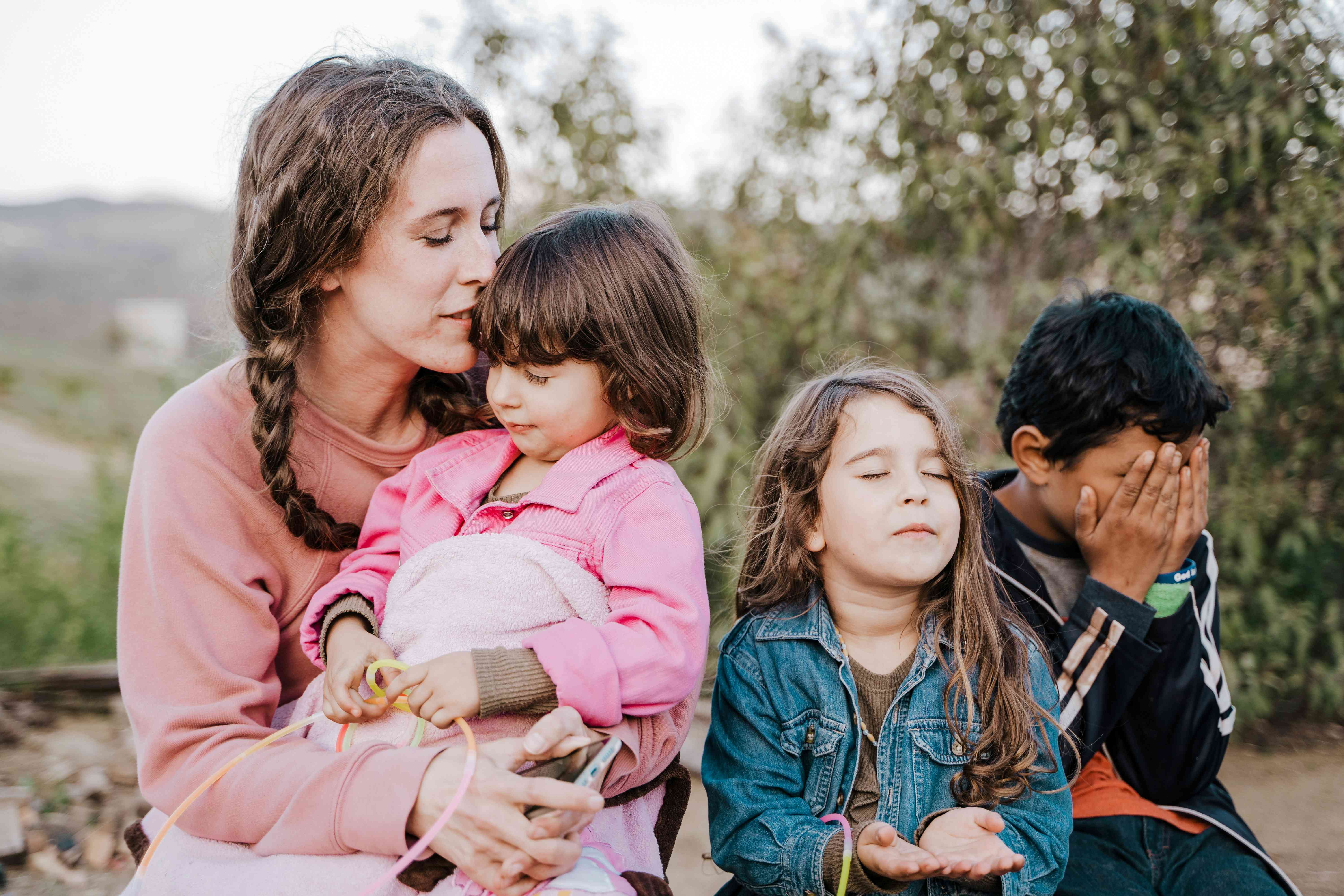 Photo by Josue Michel on Unsplash
It’s 6:00 p.m., and I am on my way home from my therapy office. Tired, yet full, I find myself reviewing the day. My dog. My husband. My clients. My family.
My youngest daughter calls to review plans for her college parents’ weekend. Then, ding! My sister texts about my aging dad’s upcoming surgery and coordinating my trip to Atlanta to visit him. I pull into the driveway hungry and ready for leftovers. My German Shepherd greets me, ready to play, while my husband finishes a work call inside.
After feeding the dog, changing clothes, and heating dinner, I finally sit down. My husband joins me, and we catch up on our day. But my mind keeps moving.
I remember the tears from the father I saw earlier. Did I respond to that text? I need to check on Mom’s MRI results. Did I send my daughter money for her art supplies? I wonder how my friend is recovering from surgery.
Then I notice the first sign of fall. The leaves are turning. My birthday is coming. My dad’s is too. I’m ready for soup weather.
Something shifts.
I am so patterned to notice others. But somewhere in the quiet, another thought comes:
Who notices me?
When I think about that question, an Egyptian maidservant comes to mind. Hagar. God had promised Abram and Sarai a son. Sarai became impatient, so according to the customs of that day, she had her maidservant conceive with Abram. The plan did not go as expected. When Hagar became pregnant, Sarai began to treat Hagar poorly, and Hagar fled.
Scared. Alone.
In her fear and confusion, God noticed her. In her pain. Shattered. “Where have you come from, and where are you going?” God asked. (Genesis 16:8)
In her pain, Hagar was seen—fully seen—by the One who always sees us.
As mothers and fathers, we can become so accustomed to seeing and serving others. I wonder what might shift when we remember the “God who sees me.”
As mothers and fathers, we wear many hats: parent, provider, friend, employee, leader, caregiver, spouse, daughter, son. These roles often call us to see, care for, and do for others. But can we become so patterned by others’ needs that we lose sight of ourselves? Our focus can easily become locked on what we are doing rather than who we are.
“Fear often causes us to run to busyness, but our brains cherish stillness.”¹
Underneath the busyness are our own fears, exhaustion, longings, and burdens. God sees those too. He doesn't only see what we do for others. He sees the person underneath all those hats—the imperfect child of God. What might shift if we began to see ourselves as God sees us—not for what we accomplish, but as already known and loved?
My natural tendency is to keep moving. Doing can often trick me by giving me a false sense of control. I begin to believe it really is all up to me. Can you relate?
When we shift our focus toward being, the emails, texts, appointments, practices, and chores do not magically disappear. But perhaps we were never meant to carry all of them in our own strength. The power of the pause can shift our focus from all we are carrying to the “God who sees me.”
That intentional focus invites us to rest in God’s presence, even when our lists are still very real. A five-minute walk in silence around my building, a deep breath between clients, or humming a favorite worship song can help me pivot—to notice His presence and remember I am already held.
Known.
I can exhale.
I am the woman who falls into bed. Tired. Hopeful. In between. I see the tears of so many parents—mothers, fathers, and other caregivers—and I can relate to the exhaustion and the longing to be seen. Known. Cherished.
I wrote The God Who Sees Me: Fifty-Two Reflections for Mothers Finding Rest in God’s Presence for you. For me. For her. I imagined sitting across the table from you. I saw you. You saw me. He saw us.
These reflections are also an invitation to all of us who wear many hats. While we are noticing others and carrying so much, we can remember Hagar.
She was seen.
We are seen.
Fully seen.
Already held and known by the One who sees.
El Roi.
¹ Tricia Thornton, Beyond Blessed Parenting: Embrace These Seven Principles and Experience Authentic Connection (Nashville, TN: Fitting Words, 2025), 38.