Why Silence Makes Music More Powerful
Silence as More Than Absence
When I was a child taking piano lessons, my teacher often told me to “listen to the rests.” As a young student, I didn’t quite understand what she meant. How could I listen to silence?
Only later did I realize what she meant: silence in music is not empty.
A quote often attributed to Claude Debussy captures a similar idea: “Music is the space between the notes.”

How Silence Shapes Musical Expression
When we think about music, we usually think about melody and rhythm. But silence is just as essential.
Without space, sound loses its shape. A note feels different after stillness, and a phrase gains clarity when followed by quiet.
Music without silence would feel unbroken and formless, like speech without pauses. Even in conversation, constant sound is hard to follow.
Silence Creates Expectation
A pause can completely change how music feels.
We naturally anticipate what comes next, so when the music suddenly falls into silence, that expectation sharpens. The silence itself starts to feel charged.
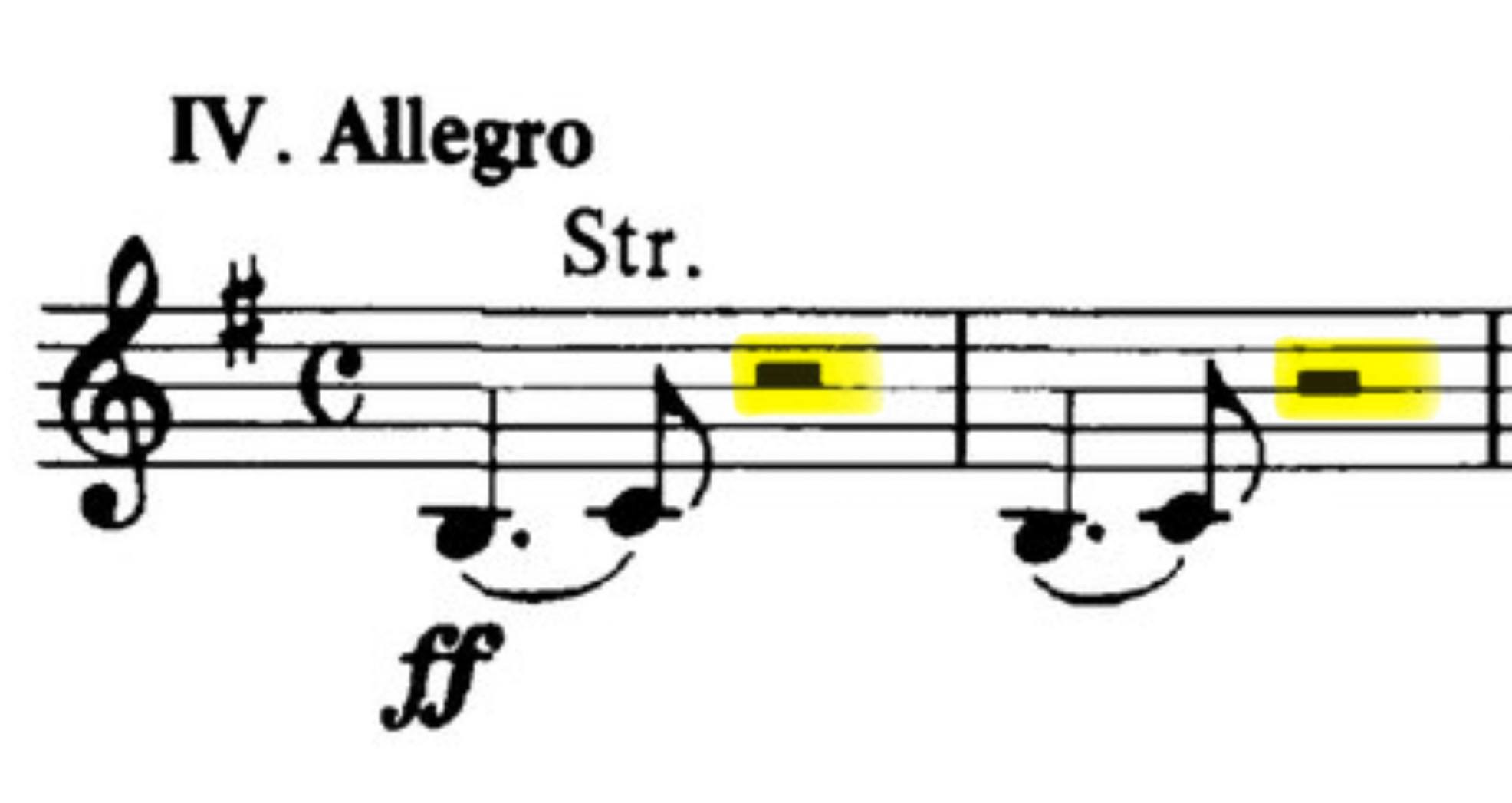
Listen to the opening of Symphony No. 9 (From the New World) by Antonín Dvořák, Fourth Movement. The silence there does not feel like a break in the performance. It feels like tension waiting to explode.
A Quieter Dimension
There is something deeper in silence that many listeners instinctively feel. Silence has an important place in the Christian tradition.
“Be still, and know that I am God.” (Psalm 46:10)
This stillness is not just the absence of sound, but a state of attention. In quietness, we become aware of what constant noise often hides.
Music that uses silence well creates a similar space—one that does not fill every moment, but leaves room for anticipation and reflection. In such moments, silence is not empty, but charged with tension and meaning.
Perhaps that is what my teacher meant all along: “Listen to the rests.”
Read previous: Why Sad Music Feels Comforting