Why This Moment Works: Beethoven — Symphony No. 9 (Finale)
Some moments in music feel larger than music itself. They don’t just develop a theme—they reshape how we experience unity, emotion, and hope.
Beethoven’s Symphony No. 9 builds toward one of the most famous arrivals in classical music: the entrance of the chorus in the final movement.
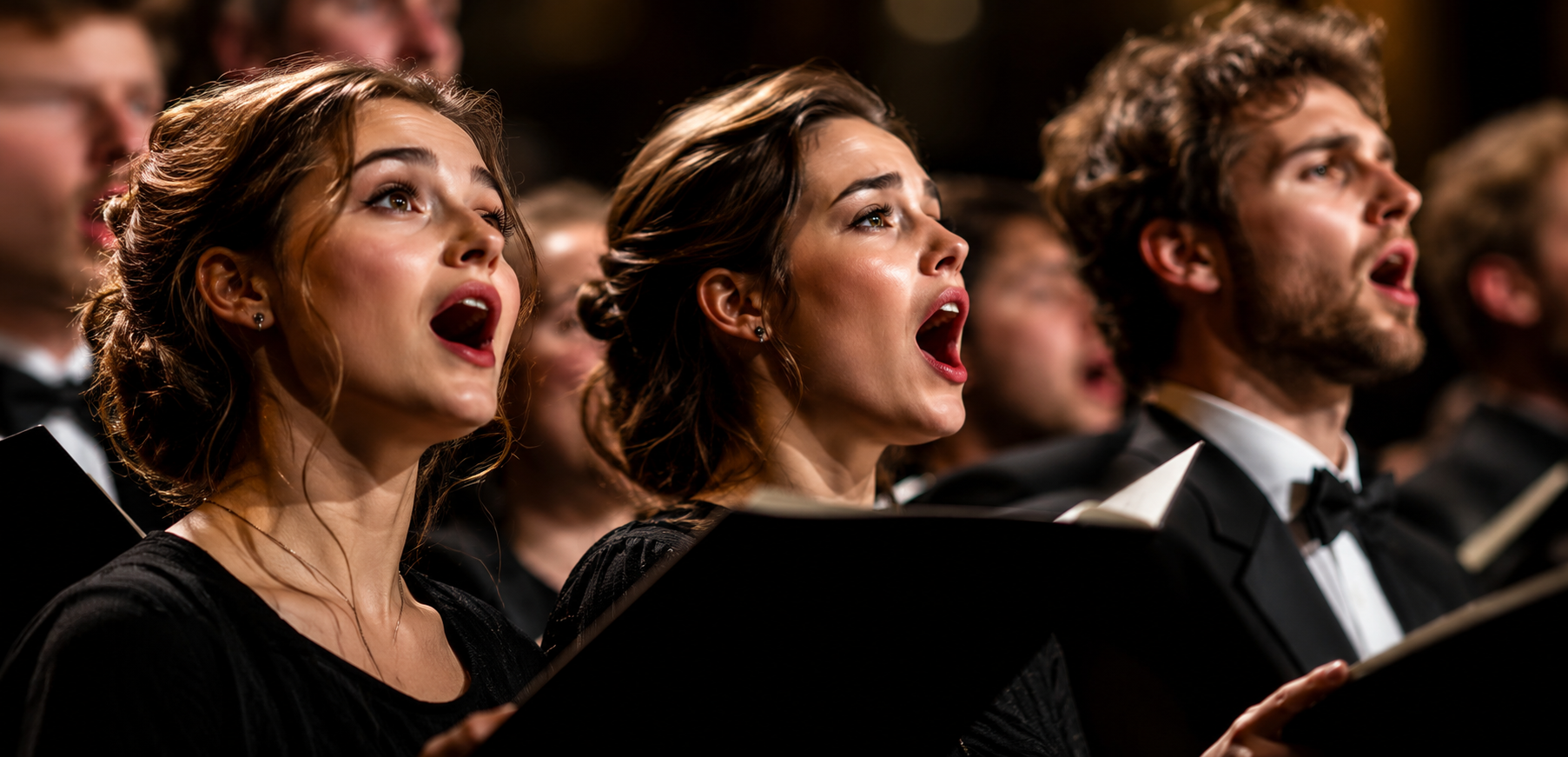
Through the first three movements—nearly forty minutes of music—the human voice is completely absent. By holding it back for so long, Beethoven creates extraordinary anticipation. When the chorus finally enters, it feels less like a surprise than a long-awaited arrival.
Then comes the “Ode to Joy” theme. Its melody is remarkably simple, yet it grows with extraordinary force. What begins as a single musical idea expands into a shared expression, as individual voices join together into something larger than themselves.
This is where the moment truly works. The transformation is not merely musical but deeply human. Separation gives way to unity, and many distinct voices become one. For some Christian listeners, the moment may also echo themes of reconciliation, community, and shared hope.
There is also a remarkable irony behind the music. Beethoven was already nearly deaf when he composed the symphony, and he never heard it performed in full during his lifetime. Yet, despite this silence, he created one of history’s most enduring celebrations of human joy and togetherness.
Perhaps that is why the finale continues to resonate so strongly. Its power lies not simply in grandeur, but in transformation—many voices becoming one, and something larger emerging from the individual parts.
Listen to the full symphony here (affiliate link).
Read previous: Why This Moment Works: Barber — Adagio for Strings