You Reap What You Sow: What the Bible Really Means
People quote "you reap what you sow" all the time — usually to mean "you'll get what's coming to you." But the verse it comes from is making a bigger, and oddly more hopeful, point than karma.
"Reap what you sow" is a farming image the Bible uses to describe a basic spiritual law: actions have consequences, like seeds produce a harvest. Yet the original passage uses it to encourage as much as to warn. Reading it in context recovers the part most people miss. It's one of our famous bible verses explained.
Here is where the phrase comes from, what the farming image teaches, and the encouraging half people usually skip.
The verse and its image
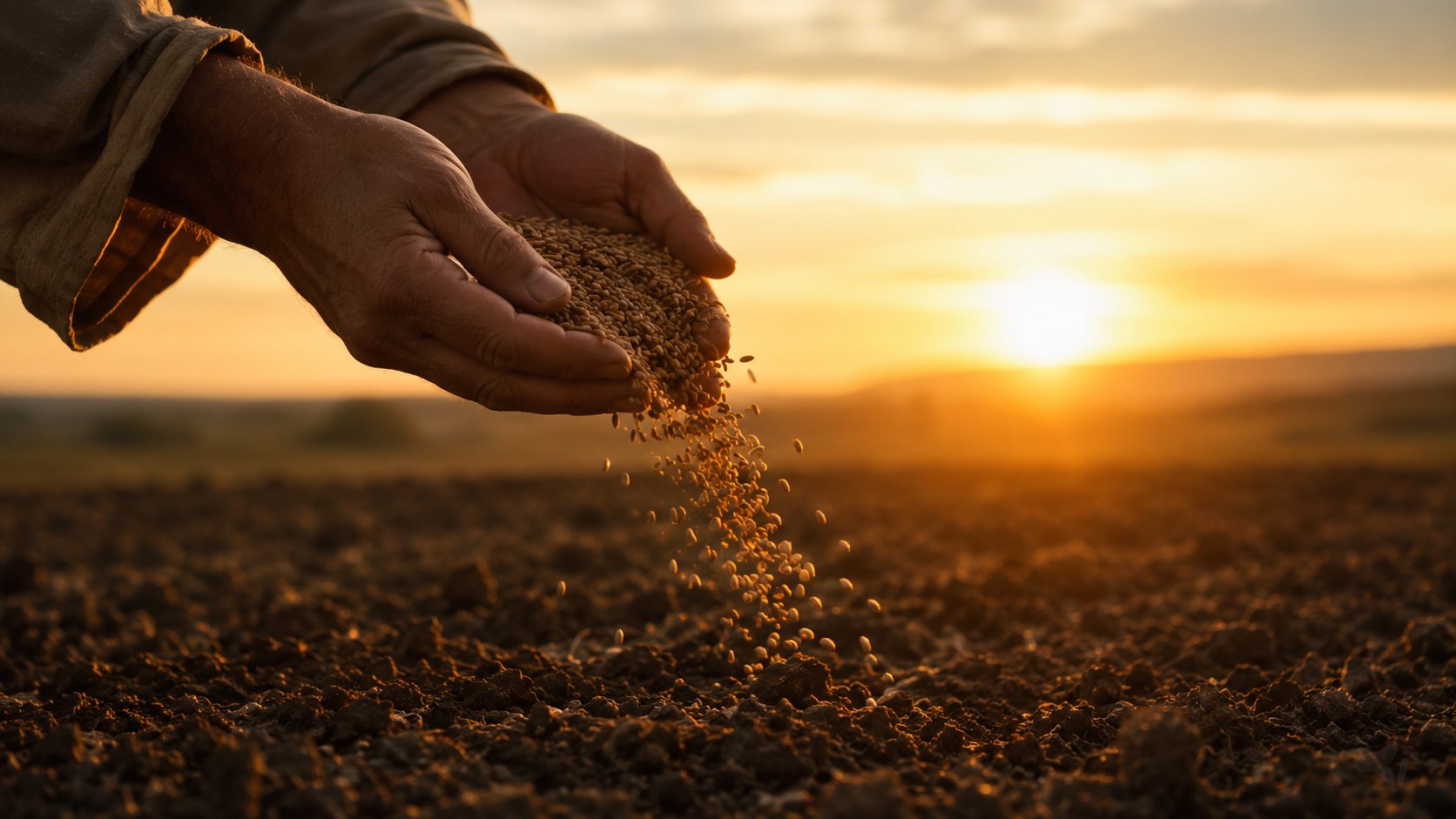
The clearest form is in Galatians 6:7: "Do not be deceived: God cannot be mocked. A man reaps what he sows" (Galatians 6:7). The image is agricultural and unavoidable: plant wheat, you get wheat; plant weeds, you get weeds. You cannot plant one thing and harvest another. Paul applies this to the moral and spiritual life — our choices plant seeds whose harvest we will eventually meet.
It's often quoted as a warning, and it is one: a life sown in selfishness and sin yields a bitter crop. "God cannot be mocked" means we can't cheat this law any more than a farmer can cheat the soil.
The part people skip
But read the very next verse, and the tone shifts toward hope. Paul continues that whoever "sows to please the Spirit, from the Spirit will reap eternal life" (Galatians 6:8). The law of sowing and reaping cuts both ways. If bad seed yields a bad harvest, then good seed — patience, faithfulness, generosity, love — yields a good one.
So the verse isn't only a threat. It's also a promise that nothing good you plant is wasted. Then Paul adds the gardener's encouragement: "Let us not become weary in doing good, for at the proper time we will reap a harvest if we do not give up" (Galatians 6:9).
A note on harvest timing
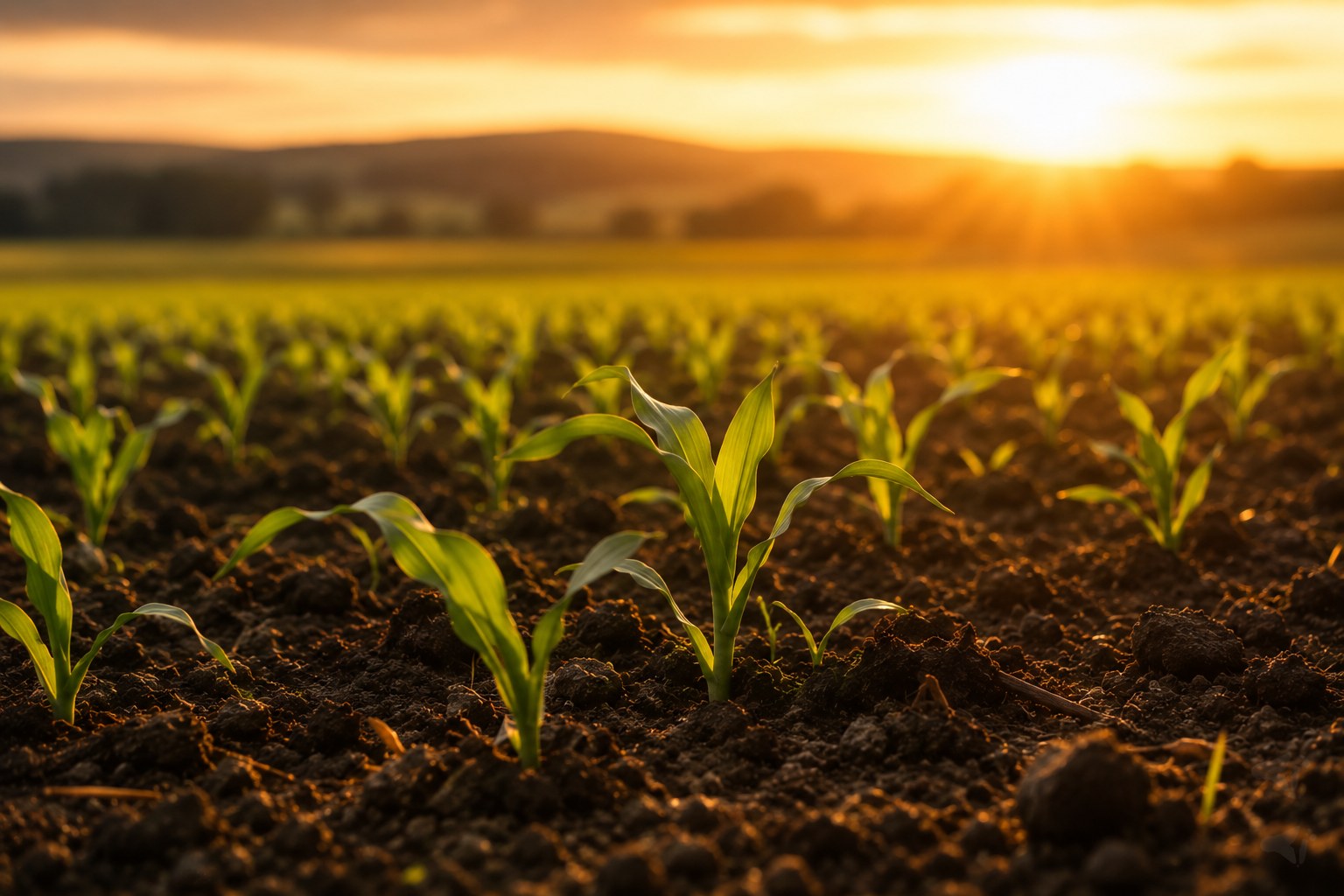
The farming metaphor carries one more lesson modern readers easily miss: harvests are not instant. A farmer who plants today does not eat tomorrow. There is always a gap — sometimes a long one — between sowing and reaping. Paul names this directly with the phrase "at the proper time." This explains the frustrating delay we often feel between doing good and seeing any result, or between someone's wrongdoing and any consequence. The law still holds; the harvest is simply later than our impatience wants. That gap is precisely why Paul has to warn against growing "weary in doing good." The temptation isn't usually to plant bad seed on purpose — it's to stop planting good seed because the harvest seems slow in coming.
How to live it
The practical takeaway is twofold. First, take seriously that your choices are seeds; sow wisely, because the harvest is real. Second, don't lose heart in doing good when you see no immediate return — the harvest comes "at the proper time," not on demand. The same law that warns us also assures us that faithful, unseen good is never lost.
Living wisely because you reap what you sow
Take the principle seriously in both directions: sow good seed deliberately, and don't grow weary when the harvest is slow. Because you reap what you sow, no faithful, unseen good is ever wasted.
Frequently asked questions
What does "you reap what you sow" mean?
From Galatians 6:7, it means actions have consequences, like seeds produce a harvest — you cannot plant one thing and harvest another. It's both a warning against sowing harm and a promise that good you plant will bear fruit.
Is "reap what you sow" the same as karma?
Not quite. Unlike impersonal karma, the biblical principle is set within a relationship with a personal God and is paired with grace and the promise of the Spirit (Galatians 6:8). It's a moral law, not a cosmic scorekeeping system.
What's the encouraging side of this verse?
The next verses promise that sowing to please the Spirit reaps eternal life, and that we'll "reap a harvest if we do not give up" (Galatians 6:8-9). Good seed yields a good harvest, so faithful good is never wasted.
Why don't I see results from doing good?
Because harvests take time. Paul says we reap "at the proper time," not immediately. The gap between sowing and reaping is why he urges us not to grow weary in doing good while waiting.
Written by Hannaniah, an ordained minister and seminary professor based in California. For more, see Galatians 6 on Bible Gateway or Bible Hub.