Adventus
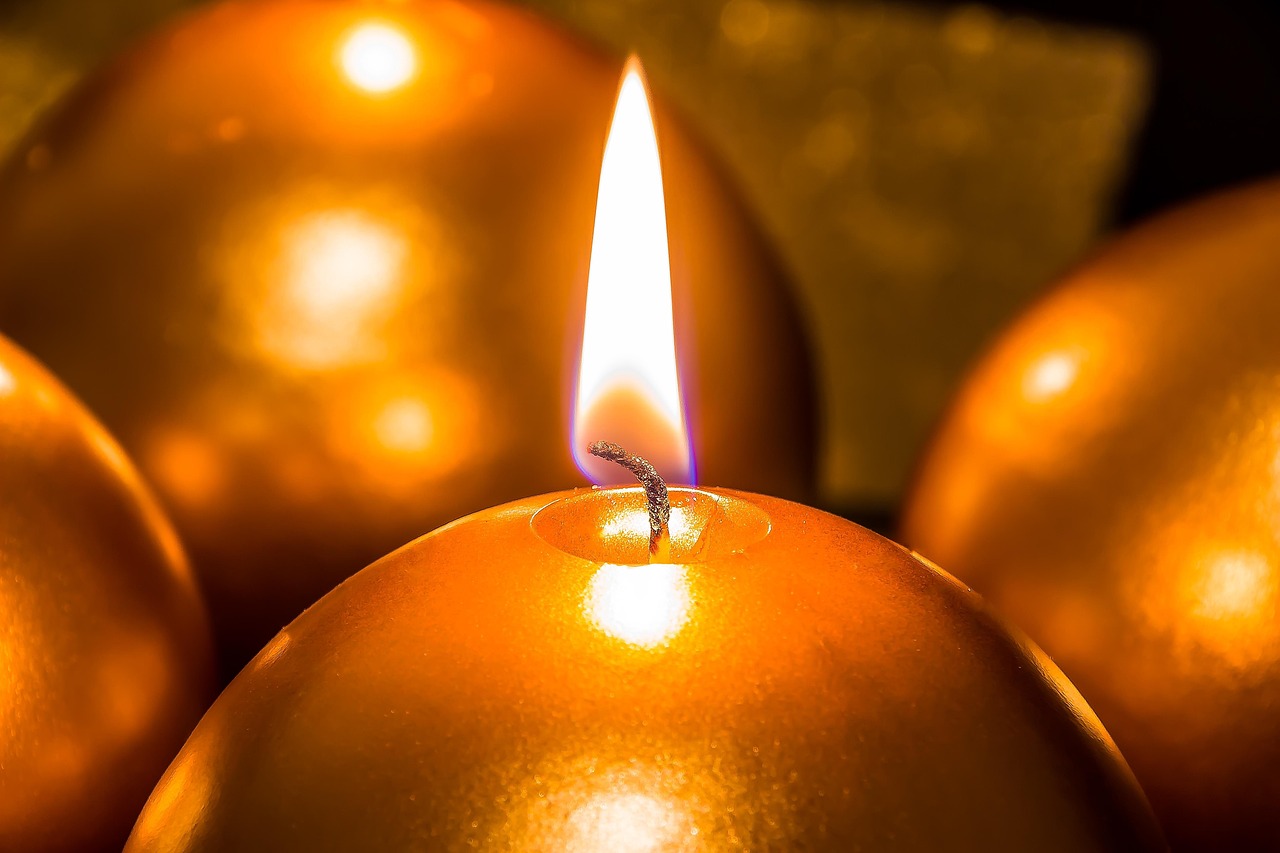 Photo image courtesy Pixabay
"Rejoice greatly, Daughter Zion! Shout, Daughter Jerusalem! See, your king comes to you, righteous and victorious, lowly and riding on a donkey, on a cold, the foal of a donkey." -- Zechariah 9:9 (NIV)
Advent refers to a season in liturgical churches that precedes Christmas. Some Christians also practice Advent at home. The celebration derives from adventus (arrival), a ceremony performed by a city for a visiting Roman emperor. Provincial governors also received an adventus and later, so did Christian bishops and even Christian relics.
Raised in a non-liturgical church, my total Advent knowledge was the practice of lighting candles. Each colored candle is lit in succession on the four Sundays before Christmas, representing hope, preparation, joy and love. Often, the candles are set in a Christmas wreath. Some light a fifth candle on Christmas Eve to symbolize Jesus as the Light of the world. Scripture readings and prayers accompany the ceremony, which looks back to Jesus’ birth and forward to His second coming.
A Roman adventus festival lasted days. City rulers and citizens would travel out to greet the emperor and his retinue long before he ever reached the main gate. People decorated the city elaborately, sang hymns, burned incense, lit candles, recited poems, and read panegyrics (flattery and praise) in the emperor’s presence. Banquets, gladiatorial games and chariot races were held.
Besides his birth, Jesus had another adventus. We call it Palm Sunday or the Triumphal Entry. Crowds from Jerusalem went out along the road clear up to the Mount of Olives to greet Jesus. They cut down palm branches and laid them on the road along with their cloaks in front of Jesus. People lined the road and waved palm branches. They shouted hosannas and praised Jesus, King of the Jews.
I've always had a mental misconception about this from pictorial images in children's Bibles or story books. Those show the gate, Jesus riding on the donkey, the road covered with robes and palm branches, and perhaps a hundred people waving palm branches. I hadn't read Luke 19-28-44 close enough!
"As he was drawing near - already on the way down the Mount of Olives - the whole multitude of his disciples began to rejoice and praise God with a loud voice for all the mighty works that they had seen, saying, 'Blessed is the King who comes in the name of the Lord! Peace in heaven and glory in the highest!'"
Jerusalem's inhabitants had gone clear out of the city to the top of the Mount of Olives, a much longer procession than is usually pictured.
Contrast Jesus’ Passover week arrival with that of a Roman emperor. Christ rode a humble donkey, considered a sign of peaceful intent. Caesars more often rode a horse (symbol of war) or in a golden chariot. Jesus, though, fulfilled Zechariah’s messianic prophecy.
While Jesus' triumphant entry into Jerusalem as the King of the Jews was an adventus, within a week, they had crucified Him.
Here’s why: “And some of the Pharisees in the crowd said to him, “Teacher, rebuke your disciples.” He answered, “I tell you, if these were silent, the very stones would cry out.” Those same unbelieving Pharisees, along with others and Judas’ betrayal, would arrest Jesus, hold a sham trial, and sentence Him to death.
Perhaps a crown of thorns should be added to the Advent Christmas wreath?
Questions for Reflection:
1. Do you practice the tradition of Advent at home? What scriptures and hymns might you use?
2. If you don’t practice Advent, are there other devotional practices you use at home for the Christmas holiday season?