Author Trey Tucker's 'Tough Enough' Take on a Return to Traditional Masculinity
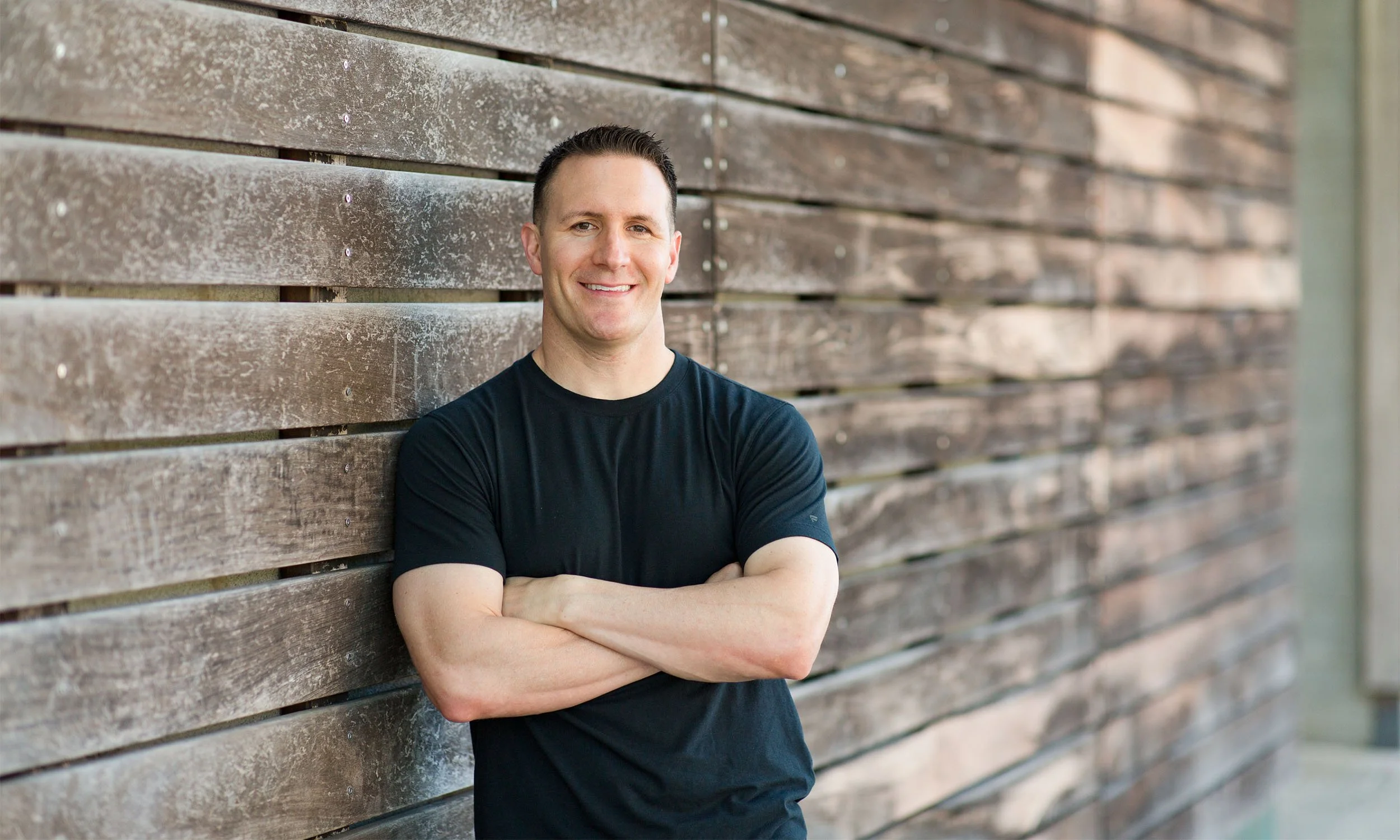 Author Trey Tucker. Photo image courtesy RuggedCounseling.com
All around us these days there seems to be an attempt to feminize the modern man. Traditional masculinity is seemingly being pushed aside in favor of softness, passiveness, and an emotional awareness like never seen before.
While one can’t discount the importance of emotional awareness, more and more young men seem to be struggling to figure out who they really are – within themselves, to those around them, and above all, realizing their identity in God. A clear Biblical sense of strength, purpose, and calling, is drifting away.
Licensed therapist and men’s mental health coach Trey Tucker believes that there is hope for a return to traditional masculinity for men, especially those in their twenties and thirties. In his new book, Tough Enough: Hone Your Habits, Cultivate Purpose, and Forge Genuine Strength, Tucker outlines a new set of guidelines for masculinity, ones that are rooted in clinical insight and God’s Word. In the book’s 256 pages, he offers readers purpose and a reliable way to develop emotional strength.
I recently sat down with Tucker to discuss the biggest lie affecting young men today, subtle ways that they fake toughness, and what a healthier version of manhood should look like.
As we kick things off today, for the sake of our conversation, in your opinion, what is the toughest thing that a man can do?
In all of my conversations that I have with these guys, and this is guys of any age, but especially these guys in their twenties, the conversations and the research shows this; that the thought that haunts us the most is, I am not enough. You can put whatever word in front of enough that you want. Not good enough, not strong enough, not rich enough, not smart enough, not athletic enough, whatever. But that is the thought that's haunting them. And they usually don't know it underneath the surface.
Do you think that is the biggest lie affecting young men today?
That's exactly it. Honestly, it's tough to convince somebody that it's a lie, first of all. And then it's tough to help them find avenues to find the truth of that, because there are certain things that dangle themselves in front of us and say, well, this is the way to feel like you're enough. But really it just digs you into a deeper hole. So, the process of coming out of that is more challenging.
You write that fake toughness leads to burnout, not strength. What are some of the subtle ways men “fake” toughness without realizing it, and how can they start to change the pattern?
Number one, trying to do everything themselves in isolation. The famous phrase you hear is, I got this. That's the biggest one. And then the other one is just continuing to keep on grinding when you've got an empty gas tank. There are certain times in your life where you are going to need to do that. I'm not going to say you never should, but a lot of guys just live in that place, and they never actually take a step back to fill back up again with whatever it is that they need, whether it's rest, community, or spiritual influence.
You’ve been called “the guy’s guy therapist” for your straightforward, relatable approach. How did your experience as a licensed mental health counselor shape the way you structured this book?
I was able to hit every topic in this book from a mental and emotional angle, even if the mentality and the emotional side had nothing to do with it, at least on the surface. For example, there's a chapter about money, and that's one of the topics that guys come to see me about. Surprisingly as a therapist, you wouldn't think they see a therapist about money. But what they're really trying to figure out is, why do I keep on chasing after money, and I've had a lot of guys who are very, very financially well off. They come in and they're still empty no matter how much money they have. So, I've been able to see how a lot of these topics, if you just look just beneath the surface, you've believed some sort of a lie, or you've got some sort of a hole in your nervous system. It can be an emotion you're trying to numb out, or an emotion you're trying to feel, and you keep chasing after these certain external activities, thinking it's going to do something about the internal situation. That’s where the therapy helps.
You challenge men to face their fears instead of running from them. What is one fear you see most often with men, and how does confronting that fear transform their lives?
That is what actually creates toughness. It’s actually confronting that fear. It's the antithesis of, I've got this and I'm just going to keep going when I'm empty. There's an old John Wayne quote. He said, “Courage is being scared to death, but settling up anyway.” You can't have courage if there's no fear first. And most guys I know of, they're probably pretty physically tough. I know guys who can squat 500 pounds, and I know guys who can run 26 straight miles without stopping. But most of those guys, they can't sit five minutes in a room by themselves with no drink or no screen. We are scared of what's inside of us. We're running from ourselves a lot of times. And that to me is where the fear holds us back so much.
You talk about embracing silence and eliminating distractions. How can men realistically do that in a world that never stops buzzing?
So, I tend to go pretty big, and I don't recommend somebody doing this right off the bat, but I got to a place a few years ago where I was struggling so much with my thoughts, just a tornado of thoughts, worries, and fears. I just decided I need to unplug. So, I decided to take an eight-hour walk. I live near a Civil War battlefield, and I just decided one Saturday that I'm going to drive the truck down there, leave everything in the truck with the exception of my key, and just start walking. And the first two hours were miserable. But by the end, I felt kind of back to normal, not perfect, but my brain had cleared and felt restored. I had just never given it a chance for a long time to really be quiet enough to process through. And so, I just kept stuffing everything. I don't recommend starting there, but begin with literally 30 seconds and then just increase it to 45 seconds, then 60 seconds and beyond.
I think we should all be striving or seeking to get to that place, but it seems like it's a near impossibility when the world seems to be beckoning from the palm of our hand or sitting on the table beside us. Shifting gears, as you were writing this book, is there anything new that you learned about yourself, and second, what did God teach you during the writing process?
That's a great question. I learned so much about just how to be a better writer and really expound on my thoughts more. As a therapist, I can't go on long speeches in the therapy office. I can't sit there and just keep running my mouth. I have to say things very succinctly. And I started to do it that way with the book. I realized this is a pamphlet. So, I had to expound on my thoughts. But on a deeper level, God taught me the power of story. And I would have told you that I understood the power of story before this book, because when I give a speech, I try to throw in stories. When I'm listening to somebody else speak, I appreciate the stories. But God taught me the power that anybody can say a principle because most of the principles in this book are scriptural and relatively covered by now. But like He taught me, any book that gets written, really any kind of communication that happens, has to be connected to a story at the heart of it. It made me appreciate Jesus even more, because as I went back and read the Gospels, there's almost never a time that He didn't use at least a story or illustration.
What do you hope changes in the cultural conversation about masculinity after men read Tough Enough, and what does a healthier vision of manhood look like to you?
The dream is to bring the patriarch back into culture. I won't get into conspiracy theories here, but I think there has been a very concerted effort to rip the patriarch or the father figure out of culture. Just look at TV shows and movies, men, and especially the fathers, they're almost always portrayed as just complete imbeciles.
So, with no one to look up to in the media, in the fictional media or the real media in terms of celebrities, a lot of guys, they don't really know where to turn to look for an example of how to be a man. And so, on a practical level, I really hope that every guy will seek out a mentor and then seek out someone to mentor. If you've had any growth at all, you can at least pass that growth along to somebody who's a little bit further behind you on the path. But I would love to bring mentoring back into the fold again. because to me, that's going to create the true manhood we're looking for.
TO PURCHASE TOUGH ENOUGH: