Caring for Your Body Is Also a Life of Stewardship: How Much Should We Expect From Quercetin, Bromelain, and Vitamin C?
Every time the seasons change, some people start sneezing more, dealing with a stuffy nose, itchy eyes, or a scratchy throat. When symptoms like this keep coming back, it's natural to start wondering: isn't there something out there that actually helps the immune system?
One combination that shows up together fairly often in supplements these days is quercetin, bromelain, and vitamin C.
Online, this trio gets marketed as a way to "handle allergies, immunity, and respiratory health all at once." But when reading health information like this, it's worth separating what's genuinely hoped for from what's actually been confirmed.
For a Christian, caring for your health was never just about trying to live longer or feel better. 1 Corinthians 6:19-20 frames our bodies as something we received from God, not something that belongs to us outright. Seen that way, caring well for your body is really an act of stewardship — managing responsibly the life God has entrusted to you.
At the same time, a good steward doesn't take every claim at face value — a steward discerns wisely.
So how much actual evidence stands behind quercetin, bromelain, and vitamin C?
 Onions, apples, and berries are natural sources of plant compounds such as quercetin and other antioxidants. A balanced diet rich in whole foods remains an important foundation for supporting overall health.
Quercetin: Some Promise for Allergy Symptoms, But Not Proof
Quercetin is a flavonoid found in a range of plant foods — onions, apples, and berries among them. It's been studied for a long time because of its antioxidant properties and its effects on inflammation.
It's drawn particular interest for allergies specifically.
Some human studies have reported that supplements containing quercetin may improve pollen-related eye itchiness or nasal symptoms. But recent research reviews note that clinical trials in humans are still limited, and larger, better-designed studies are needed.
So describing quercetin as something that "treats rhinitis" or "definitely eliminates allergies by blocking histamine" goes further than the current evidence supports.
A more accurate way to put it: **quercetin is a plant compound currently being studied for its potential to ease allergy symptoms** — not a confirmed treatment.
Bromelain: An Enzyme From Pineapple
Bromelain is a mixture of protein-digesting enzymes derived mainly from pineapple stems.
It's been studied across various fields for its effects on inflammation and swelling, and has drawn particular attention regarding nasal and sinus symptoms.
Some studies and systematic reviews suggest bromelain may offer supportive benefit for some symptoms of acute rhinosinusitis. But the size and quality of this research remain limited — not enough to consider bromelain a standard treatment for rhinitis or nasal congestion.
So rather than claiming it "breaks down mucus to clear the respiratory tract" or "boosts quercetin absorption to amplify its effect," it's more accurate to understand bromelain as a compound studied for possible supportive benefit with nasal and sinus discomfort.
Bromelain is generally well-tolerated, but it can cause stomach upset or diarrhea, and anyone on medication should check with a doctor before using it. There also isn't enough information available about its safety during pregnancy or breastfeeding, according to the National Center for Complementary and Integrative Health (NCCIH).
Vitamin C: Is It Really the "Cold-Prevention Vitamin"?
Of the three, vitamin C is probably the most familiar.
It's an essential nutrient required for normal immune function and also plays a role in antioxidant activity. But even here, the phrase "boosts immunity" deserves some care.
Research shows that daily vitamin C supplementation doesn't meaningfully reduce the likelihood that an average person will catch a cold.
That said, people who take vitamin C regularly do see a modest reduction in how long a cold lasts once they get one — about 8% shorter in adults and 14% shorter in children, according to a Cochrane systematic review. In groups exposed to extreme physical stress (marathon runners, skiers, soldiers in subarctic conditions), regular vitamin C also reduced the actual incidence of colds by roughly half.
So it's more accurate to think of vitamin C not as "a drug that prevents colds," but as a nutrient your body needs for normal immune function — with a modest, well-documented benefit for shortening cold duration when taken regularly, rather than after symptoms start.
So Does Taking All Three Together Make It More Powerful?
This is the part that matters most.
There's a real body of research behind each of these three ingredients individually. But there isn't strong clinical evidence establishing that taking specific doses of all three together dramatically improves allergies, colds, respiratory health, and blood vessel health simultaneously.
So there's no need to treat this combination like a "3-in-1 cure formula."
It's more accurate to understand it this way: quercetin's antioxidant and allergy-related potential is being researched; bromelain's supportive potential for inflammation and sinus symptoms has been studied; and vitamin C is a nutrient genuinely necessary for normal immune function.
Supplements combining these three ingredients with different roles do exist on the market. But "combining them guarantees a bigger synergistic effect" is a separate, unproven claim.
It's worth distinguishing supplement marketing copy from clinically confirmed effects.
More Isn't Automatically Better
The original combination typically marketed together suggests doses like quercetin 1,000 mg, bromelain 500 mg, and vitamin C 1,000 mg.
But numbers like these aren't a "standard dose" that everyone actually needs.
For comparison: the recommended daily intake of vitamin C for adults is roughly 75–90 mg, and the NIH's tolerable upper intake level for adults is 2,000 mg per day. A 1,000 mg dose sits below that upper limit, but it's still far more than the typical daily requirement. High doses can bring on gastrointestinal symptoms like diarrhea, nausea, and abdominal cramping.
If you're on regular medication, have kidney disease or an iron overload condition, or are pregnant or breastfeeding, it's safer to check with a doctor or pharmacist before combining several supplements on your own, rather than assembling a stack independently.
If you're looking for a more moderate dose of vitamin C rather than the 1,000 mg commonly marketed in these combination products, [a 500 mg vitamin C supplement with rose hips like this one] sits closer to a reasonable middle ground — well above your basic daily requirement without approaching the upper limit (affiliate link — I may earn a small commission at no extra cost to you).
What It Means to Care for a Body God Entrusted to You
Living out a life of faith can pull you toward two different extremes when it comes to health.
On one end, health gets treated too lightly. God will take care of it anyway — and sleep, exercise, proper eating, and needed treatment all get neglected.
On the other end, health itself becomes the primary goal of life. Constantly chasing the next supplement or the newest health trend, anxiety about health ends up ruling your life instead.
Scripture points somewhere other than either extreme.
Our bodies are valuable, entrusted to us by God, and worth caring for. But health itself was never meant to become our god.
There's no need to expect any single supplement to transform your entire life either.
The fundamentals of health remain simple: a balanced diet, adequate sleep, regular exercise, stress management, needed vaccinations and checkups, and proper treatment when symptoms appear. Supplements are best viewed as a supporting tool when genuinely needed — not a substitute for these basics.
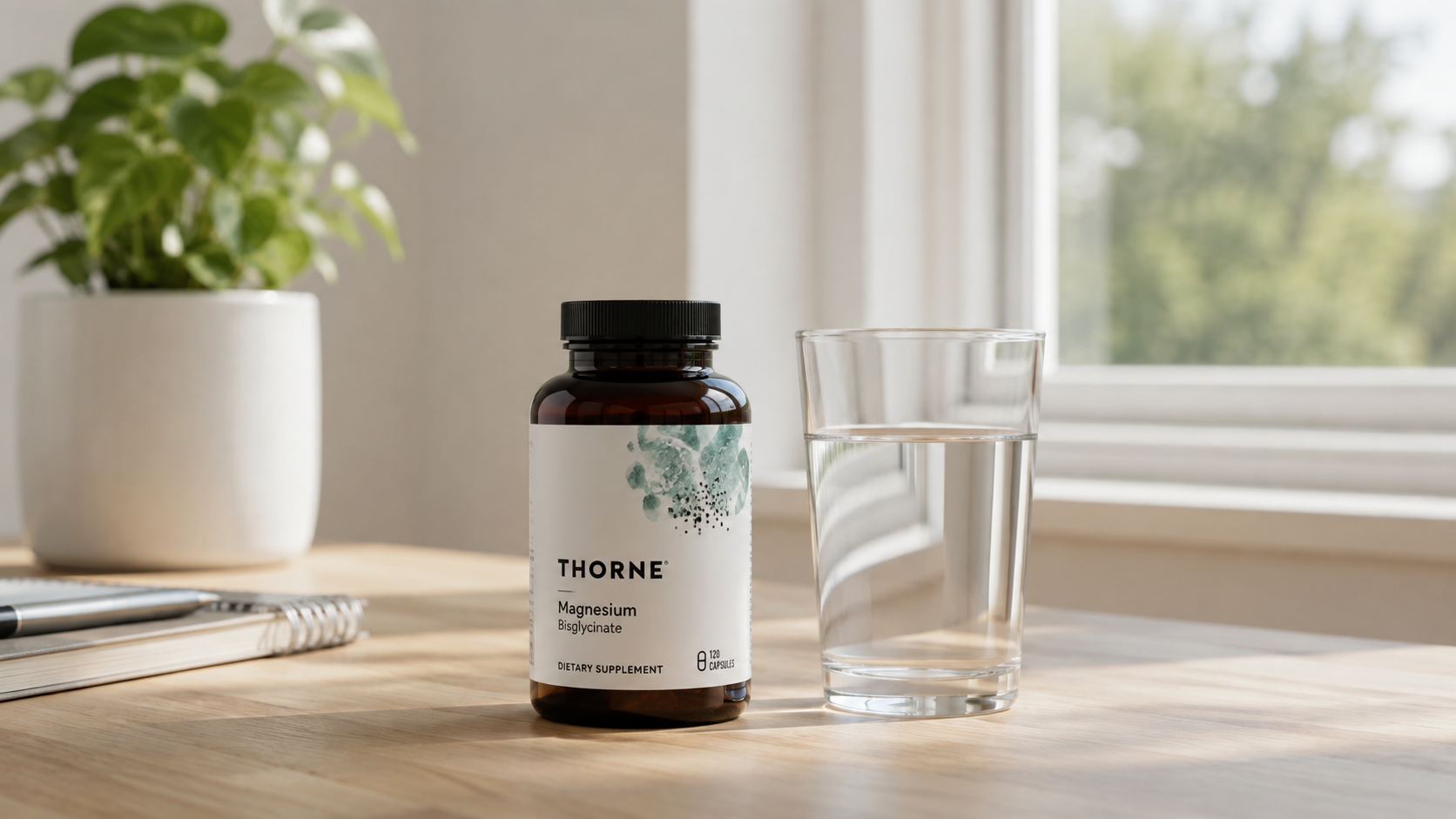 Supplements can play a supportive role in health, but they should complement—not replace—a balanced diet, adequate rest, regular exercise, and appropriate medical care.
Caring for Your Health Is Different From Depending on It
None of this is to say quercetin, bromelain, and vitamin C are bad ingredients.
Interesting research continues on each of them, and each may genuinely help in specific situations for specific people.
But it's worth staying wary of claims suggesting that taking one thing "handles allergies, prevents colds, improves respiratory health, and protects blood vessels" all at once.
For a Christian, managing your health isn't really about stockpiling more supplements. It's closer to properly discerning what the body God entrusted to you actually needs, and caring for it wisely.
Sometimes a supplement genuinely helps. Sometimes medication is what's actually needed. Sometimes simply getting enough sleep and rest comes first.
And if symptoms persist, seeing a doctor to identify the actual cause is often the wiser choice — wiser than adding one more supplement to the pile.
We care for our health not to build a flawless body, but to healthily carry out the life and calling God has entrusted to us today.
Guarding the body without depending on it. Caring for your health without turning health into an idol.
That may be the most balanced posture a Christian can take toward health.
 Seasonal allergies and respiratory symptoms can make everyday life uncomfortable. While nutrients and supplements may provide support in some situations, persistent or worsening symptoms should be discussed with a healthcare professional.
This article is intended as general health information and is not a substitute for individual diagnosis or treatment. If allergy or respiratory symptoms persist or worsen, or if you're taking medication alongside a supplement, please consult a healthcare professional.