LifeCampUSA Changing the Narrative for Kids Who Have Lost Their Father
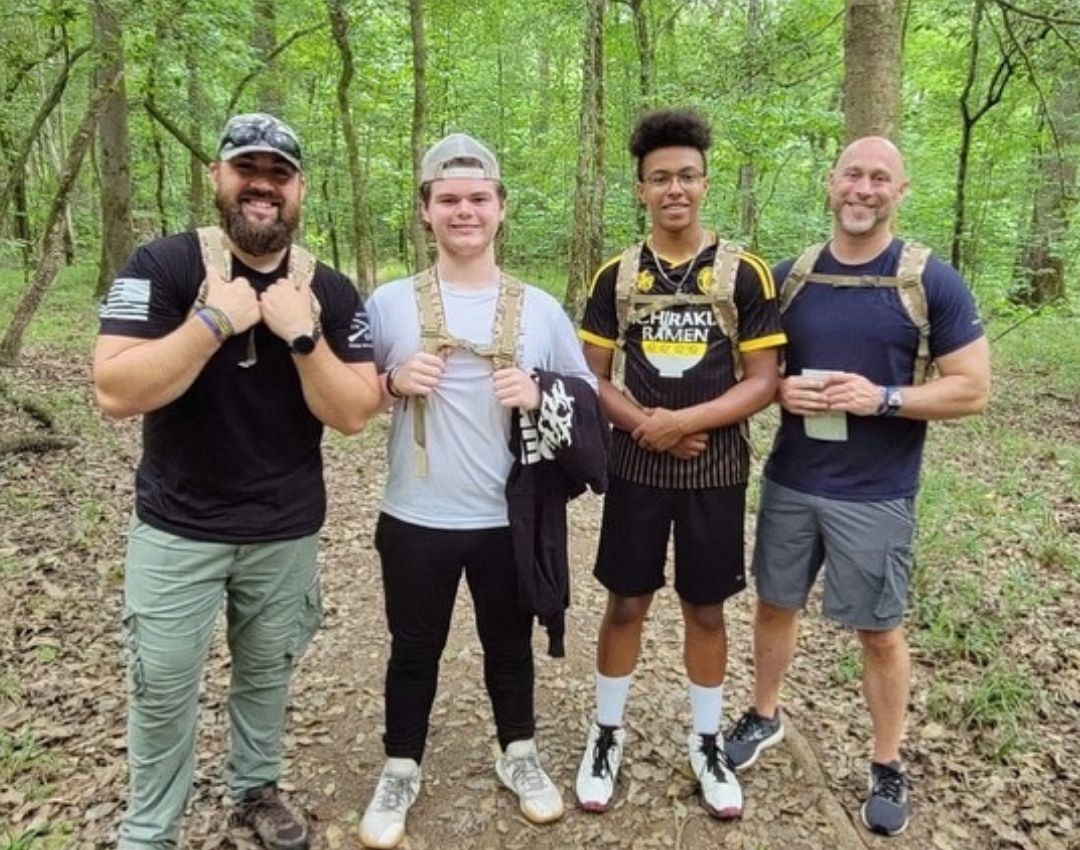 Photo image courtesy LifeCampUSA
NASHVILLE - There’s something special about the moment you realize summer camp is finally here. These hot and seemingly endless days promise new friendships, late-night laughter, outdoor adventures, and memories that seem to stretch longer than the season itself. It’s a place where routines fade, curiosity takes over, and every day feels like the start of a new story waiting to unfold.
That is the idealized version of what it means to attend a summer camp. For many children, the thought of such a fun-filled adventure seems out of reach. Perhaps family finances are too tight, or parental indifference prevents the opportunity to create a lifetime of memories. Or maybe something far more traumatic has happened.
Mark and Jane Neumann are the founding directors of LifeCampUSA, a nonprofit organization dedicated to mentoring young people who have lost a father in military, law enforcement, or first responder service. Since launching the organization in 2021, they have worked to create a camp-based experience that combines outdoor adventure, one-on-one mentorship, and faith-centered guidance to help students build resilience, character, and a sense of purpose.
Driven by a shared passion for youth ministry and family, the Neumanns have committed their lives to walking alongside the next generation during some of their most formative and challenging years.
I recently sat down with the Neumanns to explore the vision, values, and experiences that shape their work., what inspired them to create LifeCampUSA, and what continues to drive their mission forward.
LifeCampUSA is a multi-day, Gospel-centered experience designed specifically for kids who have endured the loss of a father in service to our nation or community. What motivated you to create and start something like this?
Mark Neumann: We are a couple who have had a real heart for middle school ministry and youth for many years. That was a time in our life that was real formative. Our faith foundation grew in Christian families, but middle school is where you connected the dots and the Lord got all over us. So, we've wanted to approach helping those kids. The world today is tough and especially for middle schoolers. So, we kind of picked that age group, to hopefully catch them before a lot of the troubles come their way in high school. We want to point these kids who lost their fathers towards having fun.
For a child or family that might be reluctant to send their child to LifeCampUSA, what would you say to encourage and convince them that it can be a life-changing experience that is one of hope and healing for a better tomorrow?
Jane Neumann: First of all, the moms are really interested in how safe the camp is. And our model is a little different. We have only 10 children that come to camp at a time. And we have 10 mentors that come at the same time. So like at a boys camp, it would almost be like 10 dads taking their sons on vacation. Many of our mentors are military, law enforcement, or first responders themselves. Quite arguably, LifeCamp could be one of the safest camps in America. So, it's this intentionally unplugged small group that spends the week together. That's the camp portion.
You've just alluded to something. You said, ‘That's the camp portion.’ What is the other portion, or other portions?
Mark Neumman: What we do is run monthly zooms. A positive result of our crazy COVID time is that we help communicate that our ministry continues on after the camp experience. We have monthly meetings with the 10 person group mentors with the 10 kids, and we meet all over the country. So, this summer we've got 10 camps, four in Colorado, two in Montana, Wisconsin, and South Dakota. So each of those camper groups will have their own zoom follow-ups and weekly (check-ins).
If you don’t mind, let's take a step back and talk about your backgrounds and what led you to this place of starting LIfeCamp?
Jane Neumann: We both come from what you might call a patriotic family. We go to parades on the 4th of July and Memorial Day. We love hockey. My dad served in the Army. But we had some exposure to a military organization where through learning about the grief that families have endured after a loss like that, it really opened the window of our understanding that there's a whole community of moms and children left in the aftermath of losing their loved one.
And they, themselves, have really served our country in a way that has been overlooked. They've endured a lot by being a part of that community. And now there's a great loss on top of that. So that really hit our hearts. And I just love that middle school age group and knowing those young men. We started with boys camps. We serve the young men and their families. Now, we have some girls' camps too, because they're missing their dads just like the boys. So, we bring five couples to camp and that way we can safely provide a voice there.
Specifically, what can a child and their family expect from the LifeCamp experience? From my camp days I have to believe that woodworking and leather craft will be offered.
Jane Neumann: They get off the airplane as an unaccompanied minor and those little campers just drop when they step on that plane if they haven't flown before. When they land, their mentors are waiting for them. We gather the kids and the mentors and we head off to a location. Lots of times guest ranches work real well for us because it's already a small, unplugged environment. We do all kinds of fun things all week long. Activity wise we'll do hiking and boating. But we do follow a curriculum that I have put together.
Mark Neumann: So, that's part of the camp idea. We have the curriculum as Jane mentioned, where we have two arcs: we have a practical survival skill type arc, and then we have a spiritual faith-based arc. So, the example of that would be the first day we talk about teaching the boys, we teach them how to use a map and a compass. And for the map in the afternoon, we'll actually give the kids a Bible. Ninety percent of our campers are coming from a church. So, it might not sound like a big deal to give them a Bible, but we often find that they don't know what Genesis is. So, we're starting with a table of contents and sharing with these boys and young ladies what the Bible is and that the Bible can be their map.
Jane Neumann: We want them to know they can be happy and that God has a plan for their life.
You just mentioned that in addition to a map, the Bible serves as sort of a compass for your campers. How does this set the tone for these kids, and number two, how does it help them to understand God's love and purpose for their lives?
Jane Neumann: That's really the primary focus of the whole week. They're coming with a huge loss in their life. But we know true healing is going to come from any pain they are experiencing. Through knowing that they have a Father in heaven who loves and cares about them, and has a plan. Making sure they know there is hope. That's really the key alongside the seven lessons that we do on characteristics such as integrity. We do Bible studies on integrity, resilience, a strong work ethic, all these things we think their fathers would want. Another one is resisting addiction. We built a curriculum covering concepts and topics that might not even be discussed in the Church. We are digging into those topics. And then we also have this spiritual route plan from mapping with a compass to bearing and heading in your life. They lead them to find the true note in Jesus. And then on the last day, we build a route plan for their life. We apply what they have learned during the week and just apply it to what they see every day. What are my choices in life that I want to make regarding following God, or believing in God or not. It's a new exploration for a lot of the kids, but they see 10 mentors there that are really caring for them and pointing them in the direction of Jesus.
I love the fact that you really home in on the concept of mentorship. From personal experience, I have certainly benefited from having mentors as well as being one to others. How can mentorship transform long-term outcomes for fatherless youth?
Mark Neumann: I think the kids see the adults and are looking up to them. Our mentors provide that example of a Godly person that they can look up to. The mentorship theme is just something where I think they identify today. It is a big deal. Kids are all wondering, who am I? Who do I believe? So, a number of our lessons are about identity, letting them know who God says they are. And they're hearing it through these men, adults who are telling them and they see it. They're looking at social media, they're seeing emptiness all around. This is the answer. Well no, it's not. That leads to sadness. So, having these men going to them who have a relationship with God, and here's what God says about you. It’s not what the world says. Here's what God says about you. And it creates that sense of identity that they're missing. So, to see the men mentors who share that message through mentoring and then our follow up of monthly meetings with them provides continuous reinforcement of knowing that they are loved and cared for. We really encourage the kids to know that they are like young athletes in action. This is because we're all over the United States. Our mentors aren't in the same town to actually do mentorship type programs face to face. Our job is to do the best we can right now. They are in communication with these kids. They can come to a weekly Bible study, or a monthly meeting. The mentors are in communication with the moms and the kids as well.
After kids have had a chance to experience LifeCamp, what would you like to see them take away from the experience? What is your greatest hope for the program?
Jane Neumann: With the girls in particular, seeing their confidence grow at school has been so rewarding. Seeing them feel strong in the identity of who that is for them to be, not what the world says they are. Seeing them make decisions to turn away from things like self-harm has been tremendous. And so, instill into our young men and women's minds that, especially from our military and law enforcement centers, there is a better way. And that has really helped our kids even with confidence, just feeling great about their dad's heroic efforts, and understanding that they have purpose.
Mark Neumann: I agree with that. I think just seeing the change in trajectory, you know, what LifeCamp can do. Mothers of former campers have called and told us that he looks at his father differently. Even though their father may have taken his life, they have a sense of, rather than shame, totally a sense of understanding. His dad was a servant or person that's changed his kids' minds on how they look at their father, which is life changing. We've been blessed by a lot of feedback. If that can keep continuing to happen, that will be awesome.
WATCH A VIDEO ABOUT LIFECAMP USA: