Maurice Ravel’s Le Tombeau de Couperin: Remembering Friends Through Music
Music can keep memories alive in unexpected ways. Maurice Ravel’s Le Tombeau de Couperin honors both the French Baroque tradition and friends lost during the First World War.
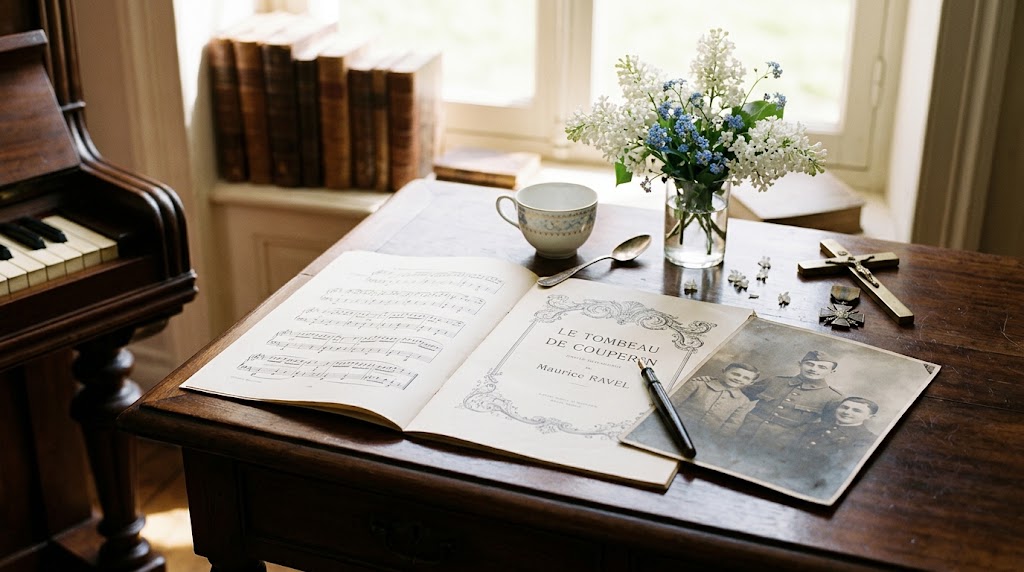
Composed for solo piano between 1914 and 1917, the suite combines this historical elegance with a deeply personal sense of remembrance.
Yet the music retains a sense of lightness and vitality, expressed through graceful dances, delicate textures, and lively rhythms.
Tradition, Friendship, and the Music
The title Le Tombeau de Couperin honors François Couperin (1668–1733) and the French Baroque tradition. Ravel drew on its elegant dance forms while adding his own distinctive harmonies and sparkling textures.
The original piano suite has six movements, each dedicated to the memory of a friend or, in the case of the Rigaudon, two brothers who died during the war. Together, the dedications remember seven people.
Each movement has its own character: the Prélude shimmers with flowing figures, the Fugue weaves intricate lines, and the Forlane moves with a graceful dance rhythm. The Rigaudon brings lively energy, the Menuet offers quiet elegance, and the brilliant Toccata closes the suite with dazzling momentum.
A Time to Mourn and a Time to Dance
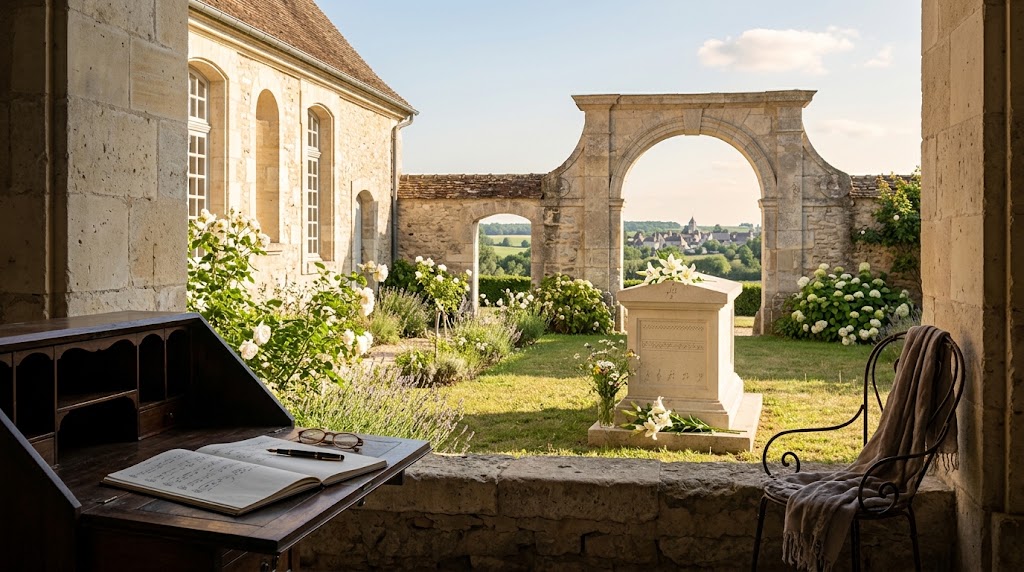
Ravel’s work shows that remembrance does not always have to sound sad. Grief and joy can exist side by side as we mourn those we have lost while remaining grateful for the memories we shared.
“A time to mourn, and a time to dance.” — Ecclesiastes 3:4
In Ecclesiastes, the writer reflects on the different seasons of life, including times of grief and times of joy. Ravel’s suite reflects this contrast: though shaped by loss, its music continues to dance and sing, showing that remembrance can hold beauty alongside sorrow.
The Stories Behind Musical Dedications
Throughout this series, we have explored the stories behind musical dedications: teachers who shaped a composer’s craft, friends who offered support, loved ones who inspired a work, and people whose lives left a lasting mark on a composer.
In Le Tombeau de Couperin, Ravel honors both the French musical tradition and seven people who mattered to him. Their stories live on through music that continues to reach new listeners, reminding us that a work of art can carry personal memories far beyond its own time.
Explore Ravel’s complete piano works here. (affiliate link)
Read previous: Rachmaninoff’s Piano Concerto No. 2: A Dedication to Dr. Nikolai Dahl