Mendelssohn's “Notturno”: The Beauty of Moments That Cannot Last
We cannot hold on to beautiful moments forever. As time moves forward, even the sweetest seasons eventually pass. Yet a moment does not lose its value simply because it comes to an end.
Mendelssohn's Notturno captures this truth beautifully. Its gentle, flowing melodies invite us into a brief moment of calm, reminding us how fleeting life's beautiful moments can be.
Mendelssohn's Notturno
Felix Mendelssohn composed the famous overture inspired by Shakespeare’s A Midsummer Night’s Dream when he was only seventeen. Many years later, he composed incidental music for a stage production of the play, including the gentle Notturno.
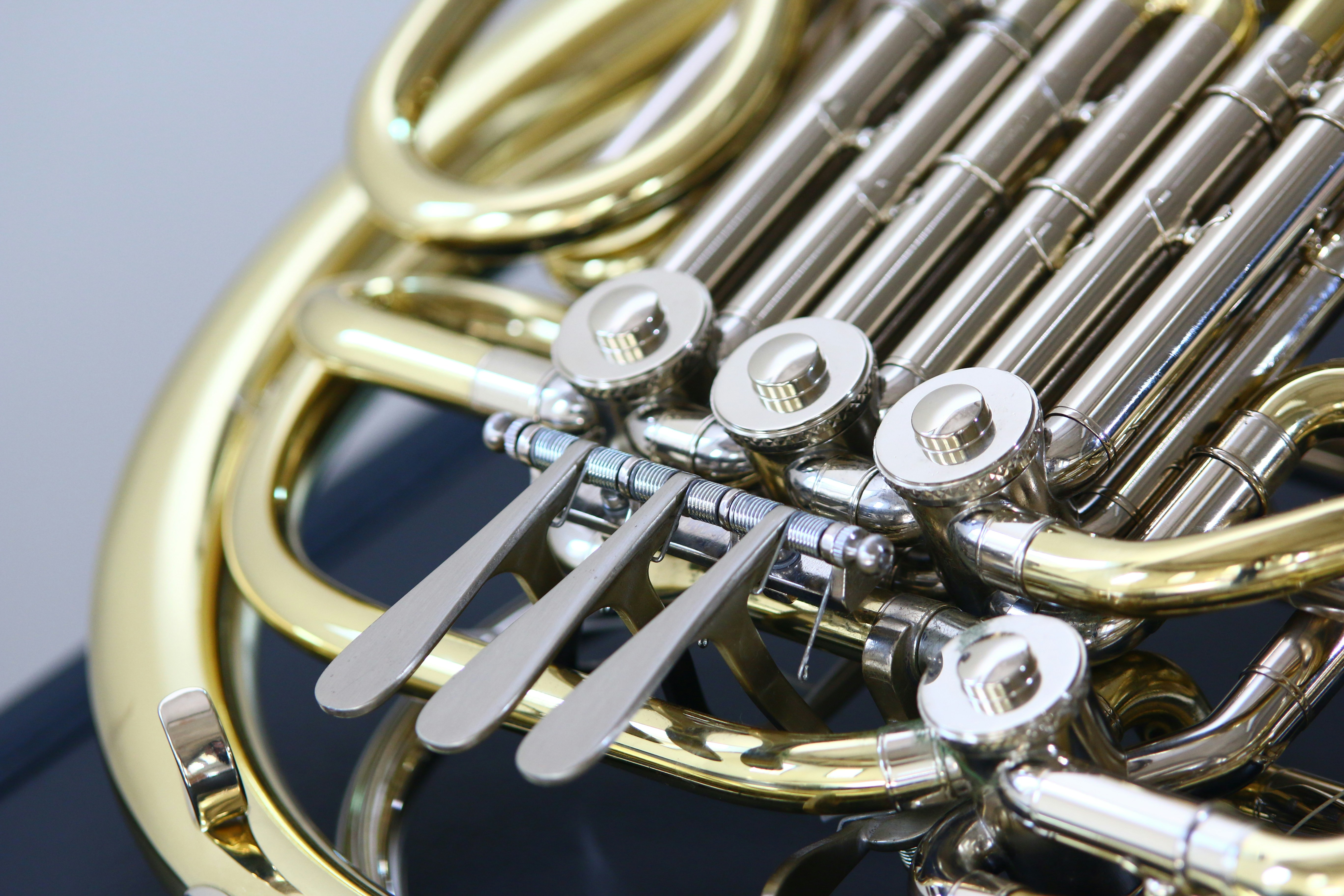
The music unfolds quietly with a warm horn melody, gently supported by the orchestra, creating an atmosphere of stillness, tenderness, and rest.
But the music does not remain there. The melody continues its journey and eventually comes to an end. Like every beautiful musical moment, it cannot be held forever. That is part of its beauty.
We often wish we could hold on to the good things in life. We want children to stay young, friendships to remain unchanged, and happy seasons to last a little longer. Yet life keeps moving forward, and people, circumstances, and seasons change.
What Remains
A piece of music ends, but its melody may stay in our memory. A meaningful conversation may last only a few minutes, yet its encouragement can remain for years. A season of joy may come and go, but the memories and gratitude it leaves behind can stay with us.
Music teaches us to receive a moment without trying to control it. A melody arrives, develops, and finally disappears. We cannot hold the final note, but we can appreciate it while it is there.
“He has made everything beautiful in its time.” — Ecclesiastes 3:11
Not everything in life is meant to remain the same. Some things are beautiful because they belong to a particular season. We may not be able to keep those moments, but we can receive them with gratitude and trust that God is present in every season.
Throughout this series, we have seen how music can teach us about waiting, memory, change, and the passing of time. Perhaps one of its most important lessons is that not everything that matters is meant to last forever.
Like Mendelssohn's Notturno, beautiful moments eventually fade. Yet their beauty does not disappear with them. What we experience, learn, and receive in those moments can remain with us long after they are gone.
Read previous: Edward Elgar’s Enigma Variations: How Time and Relationships Change Us