Movie Revie: The Lion King Revisited from a Christian Perspective
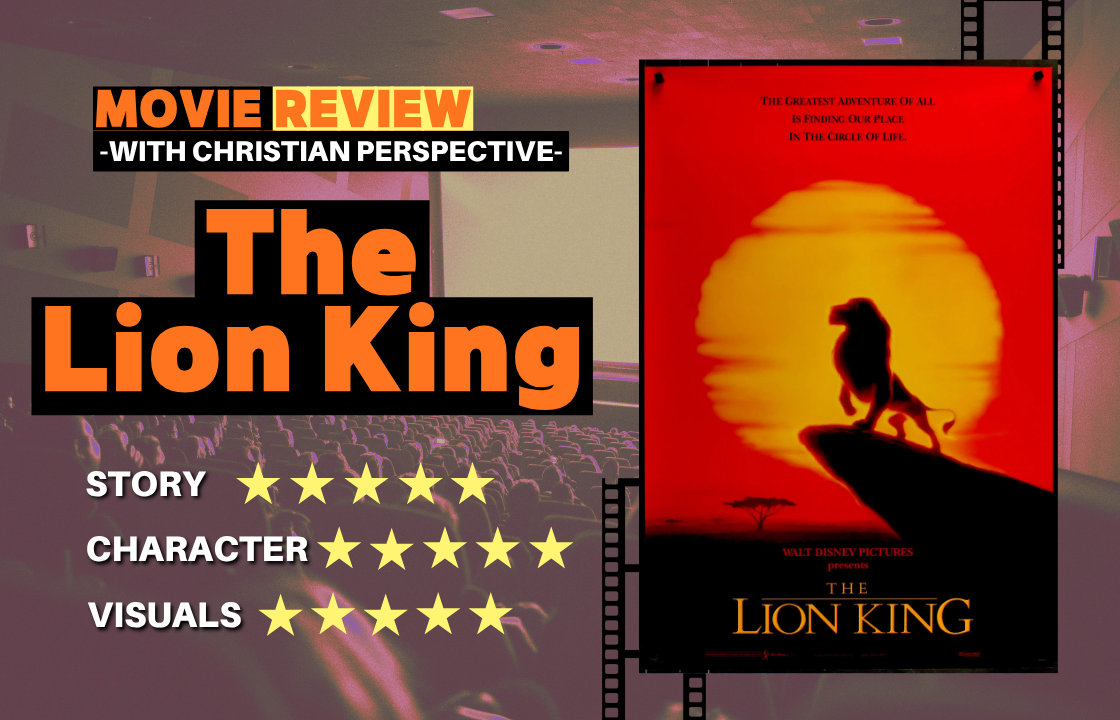
The Lion King: A Journey to Reclaiming Your Royal Identity
The Lion King is much more than a nostalgic childhood favorite. Deep within this classic tale lies a profound spiritual narrative that mirrors our own struggles with guilt, identity, and the call to a higher purpose. When we look at Simba’s journey through a biblical lens, we see a story that resonates with the heart of the Gospel and ancient biblical prophecy.
The Story: A Prince in Exile
The story follows Simba, a young cub born to be king under the loving guidance of his father, Mufasa. However, life takes a dark turn when his uncle Scar orchestrates a tragic plot to seize the throne. Scar manipulates Simba into believing he is responsible for his father’s death, driving the young prince into a self-imposed exile.
While living in a distant jungle and trying to forget his past, Simba is eventually confronted by his father’s spirit and the wise Rafiki. He is forced to face the truth: he has been living a lie, and his kingdom needs its true king. Simba’s return isn't just about a fight for power; it’s about the restoration of life and order to a land that had fallen into decay.
The Verdict: Why It Resonates
- The World's View: Critically acclaimed for its breathtaking score and "Hamlet-meets-the-Savannah" drama, it’s widely regarded as one of the greatest animated films ever made.
- A Faith Perspective: For many believers, the film serves as a powerful allegory for the Parable of the Prodigal Son. It speaks to the universal human experience of running away from God and eventually being called back to our true home and royal heritage.
---
Biblical Strengths: Reflections of the Gospel
1. The Lion of Judah: A Royal Legacy
In the Bible, the lion is a profound symbol of sovereignty and strength, most notably found in the blessing Jacob gave to his son, Judah. Jacob prophesied that Judah is a "lion’s cub" and that "the scepter shall not depart from Judah" (Genesis 49:9-10). Simba embodies this royal lineage. Just as the tribe of Judah was destined to produce the ultimate King, Simba is the rightful heir who carries the spirit of the lion in his blood. His return to Pride Rock reminds us of the "Lion of the tribe of Judah" (Revelation 5:5), the true King who conquers evil and restores his people.
2. "Remember Who You Are"
The most iconic moment of the film is when Mufasa’s voice thunders from the heavens: "You have forgotten who you are, and so have forgotten me." This is the heart of our spiritual walk. In the Bible, God constantly reminds us that we are His children, "a royal priesthood" (1 Peter 2:9). Simba’s restoration begins the moment he stops believing the lies of the enemy and starts believing what his father said about him—accepting his identity as the lion king.
3. Redemption and the Restoration of the Kingdom
When Scar ruled, the land became a wasteland—a picture of a world under the dominion of sin. But when the rightful king returns, the rain falls and life flourishes once again. This points toward the biblical hope of Christ’s return, where the true King restores all things and wipes away every tear.
Points for Reflection: The "Hakuna Matata" Trap
While the song is catchy, the philosophy of "Hakuna Matata" presents a significant challenge from a biblical standpoint.
- Avoidance vs. Peace: For Simba, "Hakuna Matata" wasn't true peace; it was escapism. It was a way to numb the pain of his past by ignoring his future. The Bible encourages us to cast our cares on the Lord, but never at the expense of our calling.
- The Danger of Apathy: The idea that "the past doesn't matter" can lead to a life without accountability or responsibility. True freedom doesn't come from pretending our mistakes didn't happen or living a life of "no worries" in the jungle. It comes from facing the truth, repenting, and stepping into the responsibilities God has given us. Real peace is found in the center of God’s will, not in running away from it.
The Ultimate Significance: Leaving the Jungle
The Lion King serves as a spiritual wake-up call. We all have a bit of Simba in us—we've all felt the sting of guilt and the temptation to hide in a comfortable "jungle" where nothing is expected of us.
Scar acts as the "Accuser" (Satan), telling us we aren't worthy and that our past defines us. But Mufasa represents the Father’s heart, calling us back to our "Pride Rock"—our place of purpose.
The movie reminds us that we aren't meant to live as scavengers in the shadows. Like the sons of Judah, we are called to be courageous and to walk in the authority of our Father. It’s time to stop hiding behind "Hakuna Matata" and start living in the identity God has given you. Don't just exist in the cycle of life; lead in the kingdom of grace.