Music & Painting (Part 4): Classical Balance and Ideal Form
After the drama and grandeur of the Baroque period, artists and composers sought greater clarity, balance, and proportion. Rather than pursuing excess, they found elegance through restraint and careful design.
Beauty Through Order
This spirit can be seen in the paintings of Jacques-Louis David. In The Oath of the Horatii, strong architectural lines and balanced composition create a sense of purpose and stability. Every figure seems carefully placed, contributing to a larger sense of order.
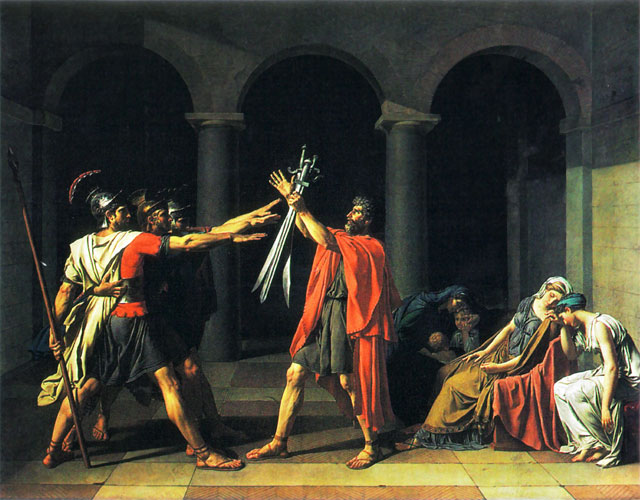 The Oath of the Horatii (1784), Jacques-Louis David
A similar approach appears in The Death of Socrates. Even in a scene filled with emotion, David avoids chaos. The composition remains clear and disciplined, allowing reason and conviction to guide the viewer's attention.

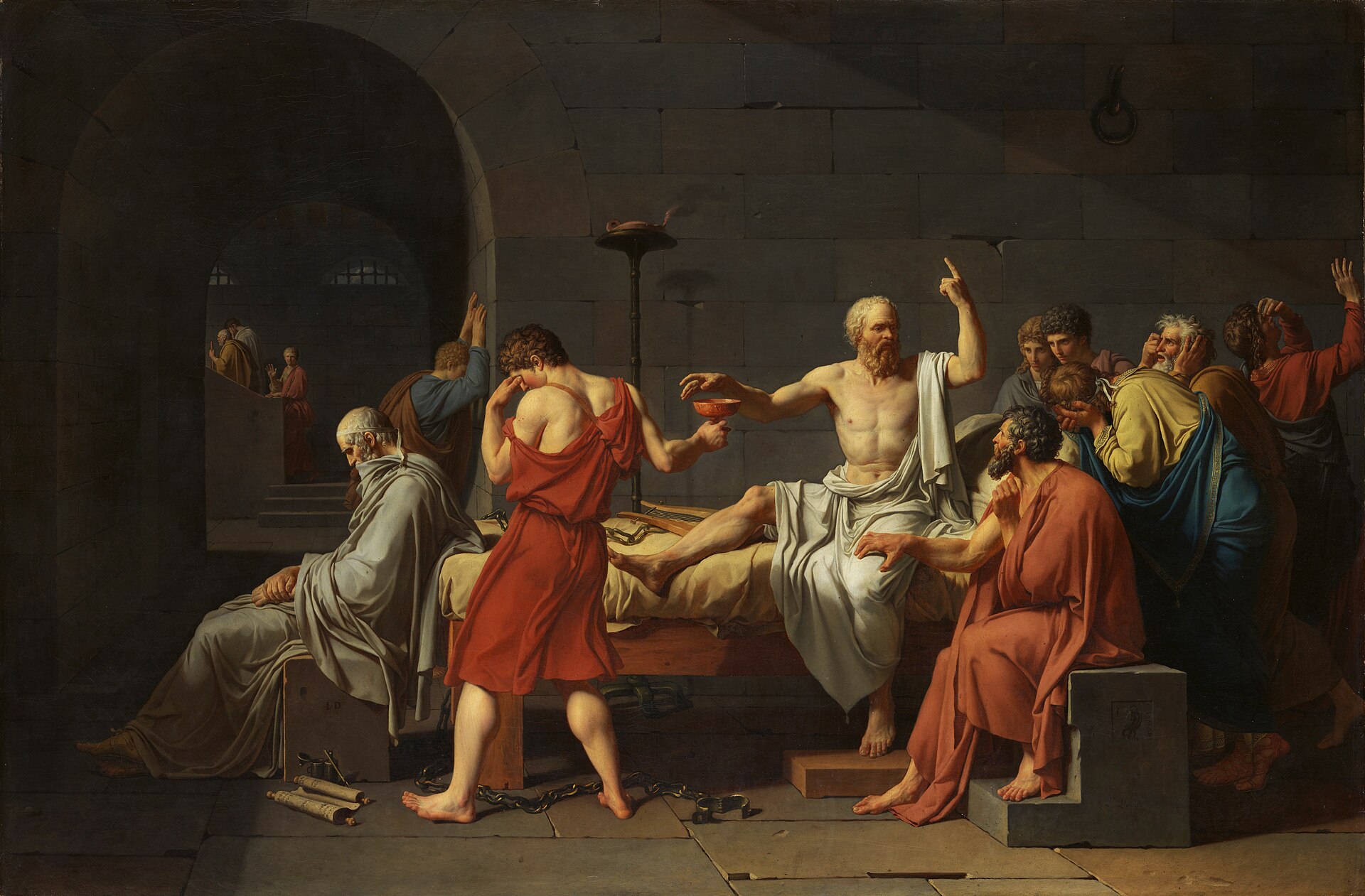 The Death of Socrates (1787), Jacques-Louis David
Both paintings reflect a Classical belief that beauty is often found through proportion, balance, and self-control.
Order in Music
Joseph Haydn pursued similar ideals in music. Often called the "Father of the Symphony," Haydn helped shape the Classical style through works marked by clarity, balance, and structural elegance.
Haydn's Symphony No. 104 (also known as the “London Symphony”) was his final symphony. It demonstrates how contrasting musical ideas can be shaped into a balanced and unified design, with themes introduced, developed, and resolved with remarkable clarity.
At the heart of this musical clarity lies the sonata form—a structure built on contrast, development, and resolution. Contrasting ideas are introduced, explored, and ultimately brought into balance. Much like a carefully composed painting, every part contributes to the whole.
For Christians, this emphasis on order offers an important reminder. Beauty is not found only in powerful emotions or dramatic experiences. We also encounter beauty through harmony, proportion, and thoughtful design. The order reflected in art can point us toward the wisdom and order woven throughout creation itself.
Though painting and music use different materials, both reveal a shared Classical vision: beauty emerges when freedom and structure work together. Through balanced compositions and carefully shaped musical forms, artists and composers created works that continue to speak with clarity and elegance centuries later.
Related: Music & Architecture (Part 4): Classical Architecture and Musical Balance