The Mathematics of Rhythm: Brahms’s Hungarian Dance No. 5
When we hear music, we are not only hearing notes. We are also hearing time organized into patterns.
A melody may be beautiful, but rhythm gives it movement. It tells us when to move, pause, or wait. By organizing time into patterns and groups, rhythm gives music structure.
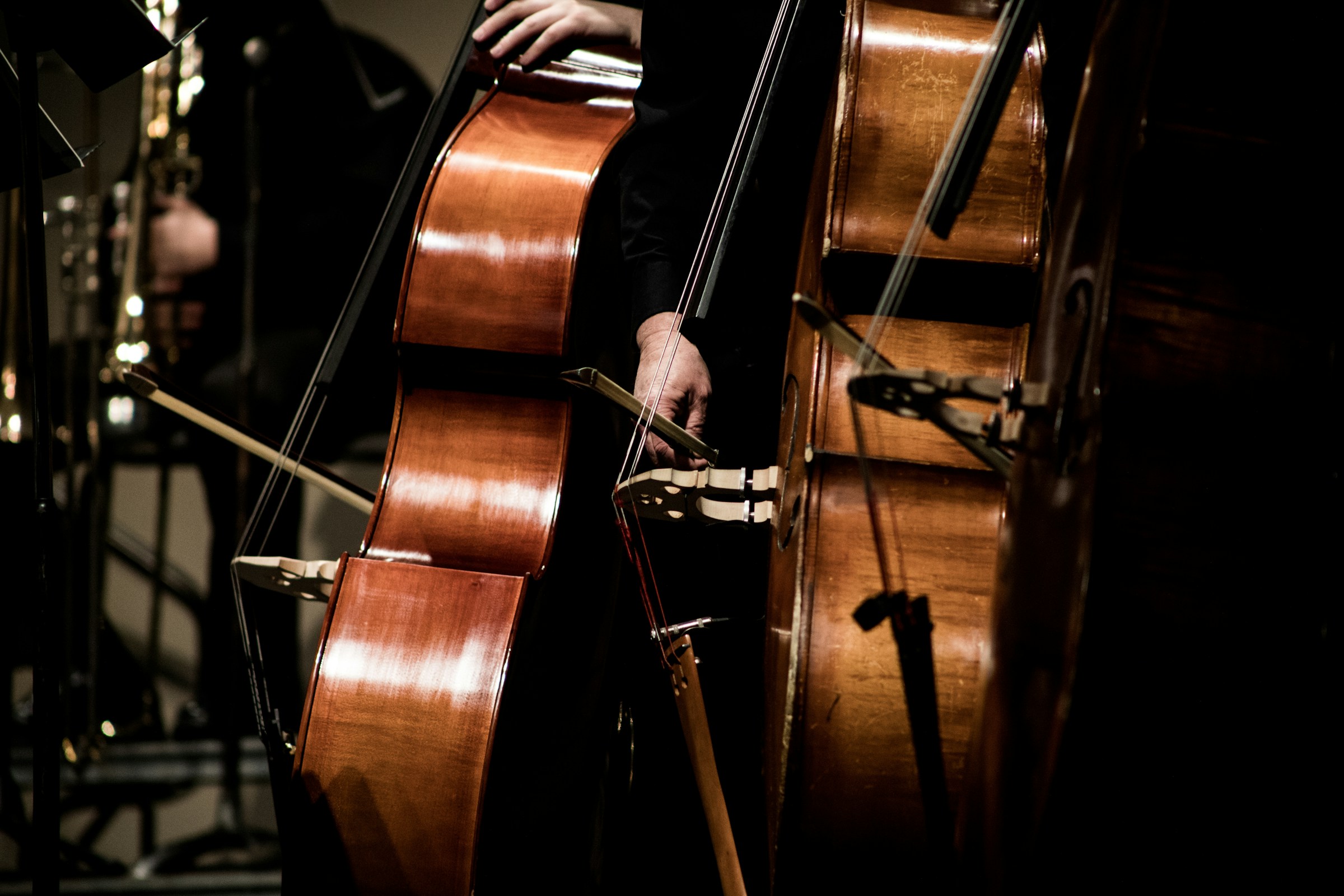 Photo by Kael Bloom on Unsplash
Patterns We Hear
One of the simplest examples is musical meter. In 2/4, beats are grouped in twos; in 3/4, they are grouped in threes. 6/8 can often be felt as two larger groups of three. These numbers may look simple on the page, but they shape the way we feel the music.
Brahms’s Hungarian Dance No. 5 is a lively example of how rhythm can create both familiarity and surprise.
From the opening, we hear strong rhythmic patterns and clear accents. Certain ideas return, but not always in exactly the same way. Brahms gives us something familiar, then changes the accents, timing, or direction to keep the music moving.
Repetition creates expectation, while variation keeps us listening. When a familiar rhythm returns, we begin to anticipate what may come next. When Brahms changes the pattern—even slightly—we notice the difference, even if we are not consciously counting beats.
This is also why rhythm can feel so physical. A steady beat invites us to tap our feet, move with the music, or sense where the next strong beat will fall. What may look like an abstract mathematical pattern on the page becomes something we can hear, anticipate, and feel in our bodies.
The same piece can feel different when two pianists share one piano. In the four-hand version, the interplay between the two players brings out new details in the rhythm.
Patterns We Live
Music is not the only place where we experience rhythm. Our daily lives have rhythms, too. Routines such as waking up, working, practicing, teaching, and caring for others give our days a familiar shape. Yet, just as music varies within a steady beat, our days include unexpected changes and new beginnings.
“Teach us to number our days, that we may gain a heart of wisdom.” (Psalm 90:12)
We cannot control every moment, but we can be thoughtful about how we use the time we have. The ordinary choices we make each day may seem small, yet they help shape the lives we lead.
Read previous: The Mathematics of Consonance: Palestrina’s Sicut cervus