When a Child Wants to Quit (Part 1): In Bed with a Piano?
1. My Personal Story
At some point, children learning an instrument may say, “I want to quit.”
I understand that moment—not just as a teacher, but from my own childhood.
There was a season when I truly wanted to stop playing the piano. Practice felt hard, progress was slow, and I had lost the joy I once had.
But my mom strongly encouraged me to continue. At the time, it felt like too much.
I remember thinking, "I wish someone would invent a piano I could play lying down."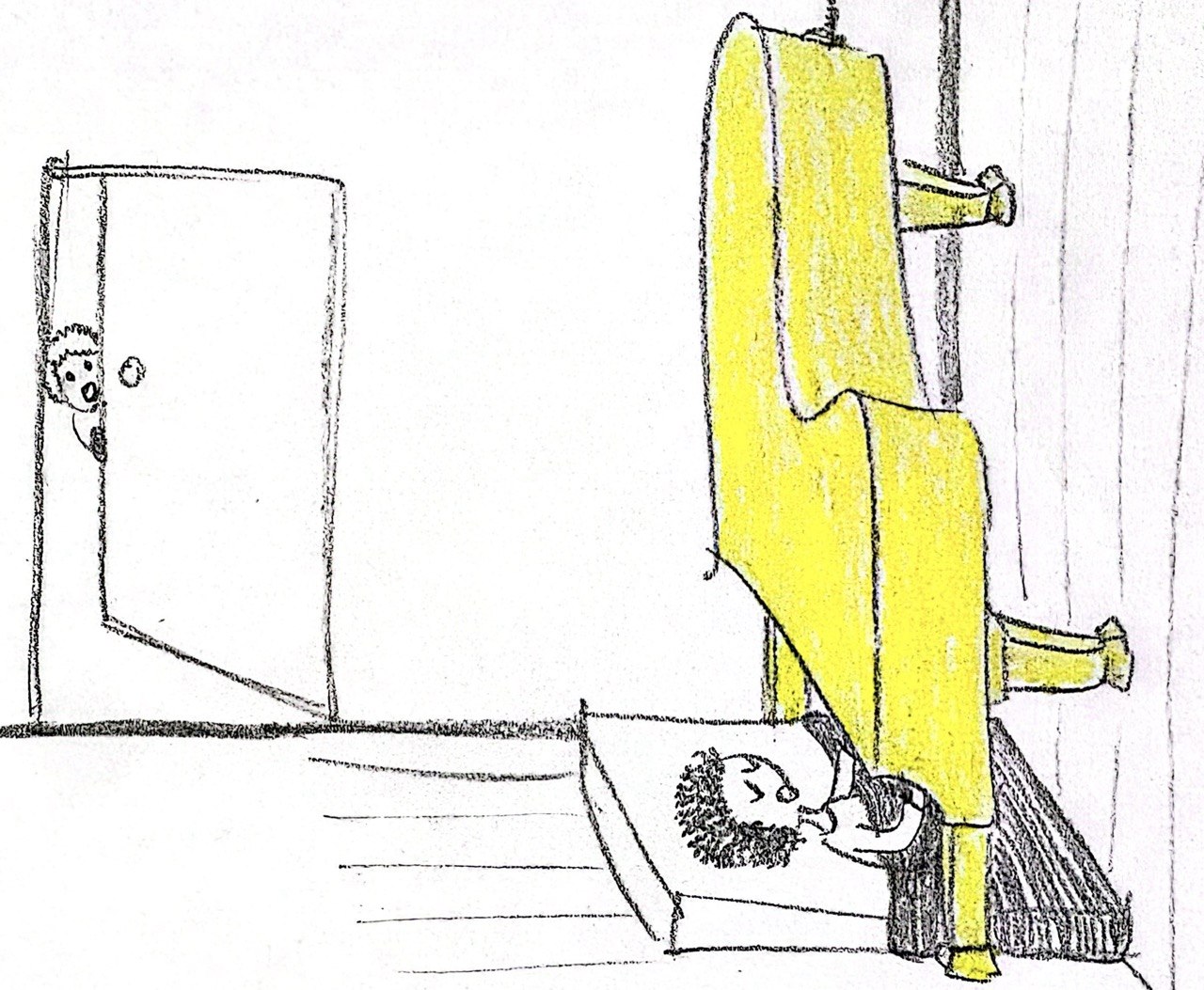 A drawing I created based on what I imagined back then
Looking back now, I’m deeply grateful I didn’t quit. That hard season built perseverance and became part of the foundation I stand on today.
2. Not Every Story Is the Same
At the same time, I don’t believe this applies to every child in the same way.
Pushing a child to continue without care can lead to burnout or resentment. These moments deserve more than a simple “keep going.”
3. Normalize the Struggle
Sometimes a child simply needs to know that what they’re feeling is normal.
Learning an instrument comes with seasons of frustration, slow progress, and low motivation—and that doesn’t mean something is wrong with them or that they should quit.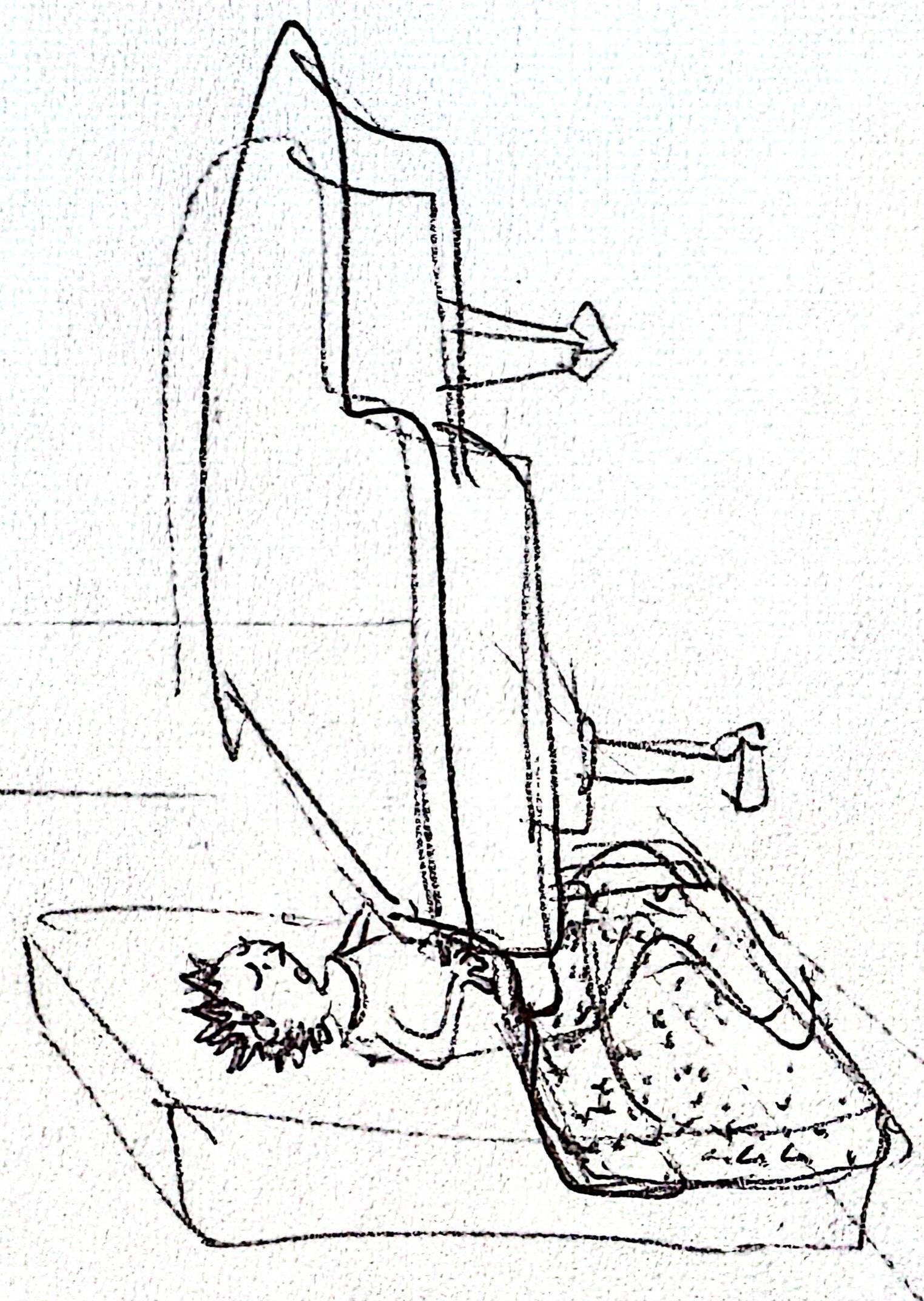
4. Adjust, Don’t Abandon
Sometimes a child needs encouragement to keep going. Other times, they need a small change—or simply space.
This might mean adjusting the piece, lightening the practice load, or taking a short break before picking it back up.
5. Faith in the Small Things
As Christians, we’re reminded that growth often happens quietly, through small acts of faithfulness and steady perseverance:
"Whoever is faithful in very little is also faithful in much" (Luke 16:10)
Even a few minutes of practice in a difficult season can be meaningful—not only for musical growth, but also for shaping patience, resilience, and character.
6. When It May Be Right to Stop
There are times when stopping is the right choice.
If a child has lost interest over a long period, or if continuing only brings ongoing stress with no real growth, it may be worth reevaluating.
It’s not about giving up too easily—it’s about making a thoughtful, caring decision. And sometimes, that’s exactly what good guidance looks like.

Closing Reflection
I’m grateful my mom knew when to hold the line.
That’s the balance we’re always seeking—knowing when to encourage a child to press through, and when to let them go with grace.
In the next post, we’ll explore some practical, low-pressure strategies you can use at home to help your child navigate these difficult seasons.
Previously: [When Mozart Prayed: Ave Verum Corpus, K.618]