Claude Debussy's Clair de lune: The Space Between the Notes
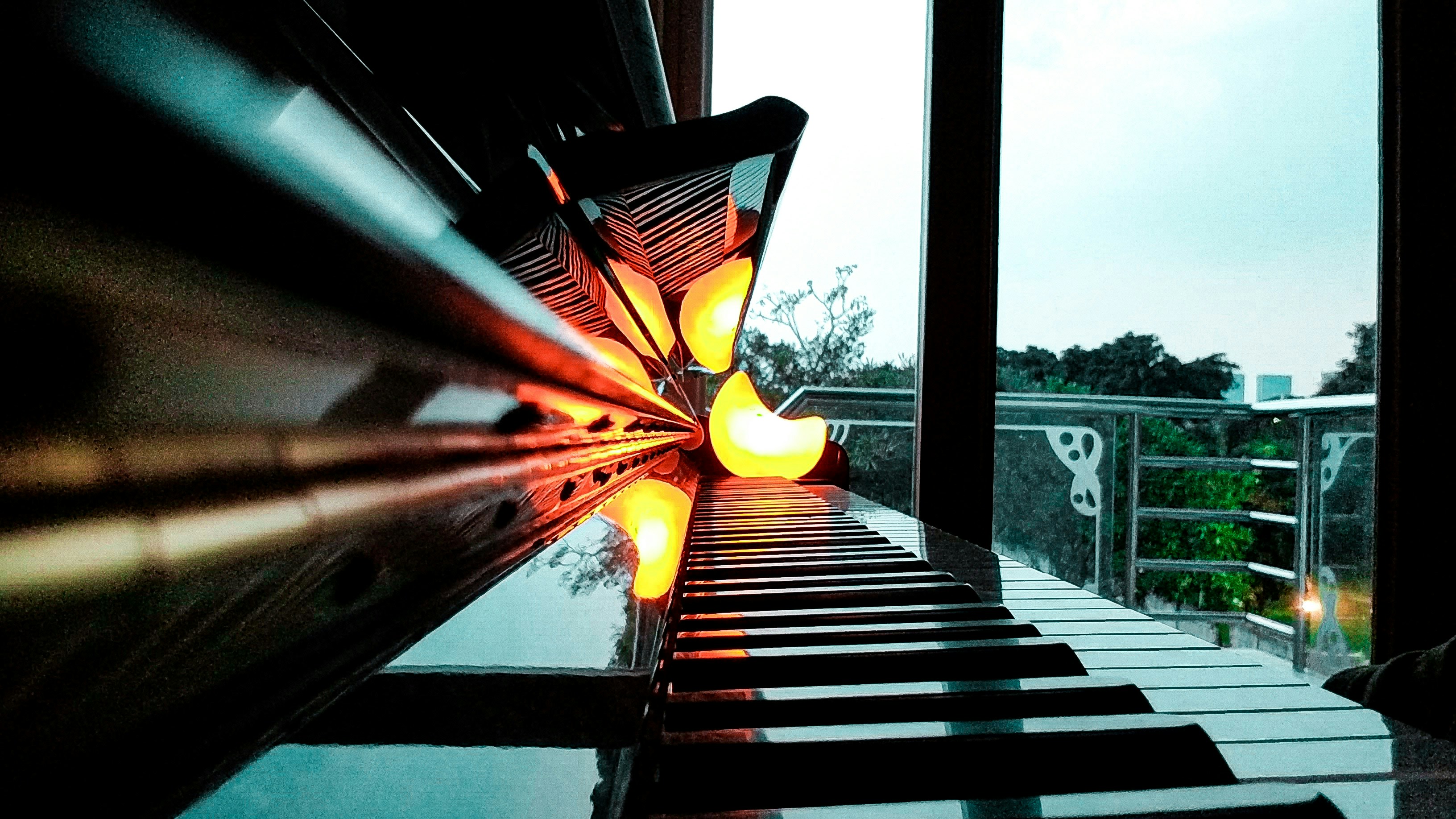 Photo by Josephine Lityo via Unsplash
There are moments when music seems to speak most deeply not through what it says, but through what it leaves unsaid.
Claude Debussy’s Clair de lune (Moonlight) is one of those pieces. Its melody is gentle and unhurried, as though it has emerged from silence. The music does not hurry; instead, its phrases unfold slowly, leaving space for each sound to linger before the next one arrives.
Maybe that is part of what makes this piece feel so peaceful. It does not try to occupy every moment. There is room to breathe, to pause, and simply let the music unfold.
The Space Between the Notes
When we learn music, we focus on the notes, rhythm, dynamics, and phrasing. But some of the most expressive moments happen in the spaces between them. A pause or brief silence can shape the way we hear a phrase and what follows.
Our lives can be much the same. We often move through our days without realizing it, always finding something to finish, plan, or think about. But not every moment needs to be filled. Sometimes we simply need a moment to slow down and notice where we are.
Learning to Leave Room
Music reminds us that space is not the same as emptiness. A pause does not mean the music has lost its meaning; sometimes silence helps us hear what comes next more clearly.
Life has its own pauses, too. Seasons of waiting or rest can feel unproductive when we measure our days by what we accomplish. But quiet seasons are not necessarily empty ones. Stepping back can give us room to think, recover, pray, or notice what we were too busy to see.
“In quietness and trust is your strength.” — Isaiah 30:15
Quietness can be difficult when we are used to staying busy. Yet sometimes slowing down gives us space to trust God rather than trying to manage every moment ourselves.
When Time Is Allowed to Breathe
Perhaps this is one of the quiet things Clair de lune can teach us. We do not have to fill every space. Some moments are meant to be quiet, and some things need time to unfold. Sometimes we understand more when we stop trying to hurry the moment along.
The spaces in this piece invite us to pause, linger, and breathe. They remind us that time is not always something we need to control or rush through. Sometimes, we simply need to slow down enough to receive it.
Read previous: Why Waiting Feels So Long: Jean Sibelius’s The Swan of Tuonela