Delius and the First Cuckoo of Spring: What We Notice When We Slow Down
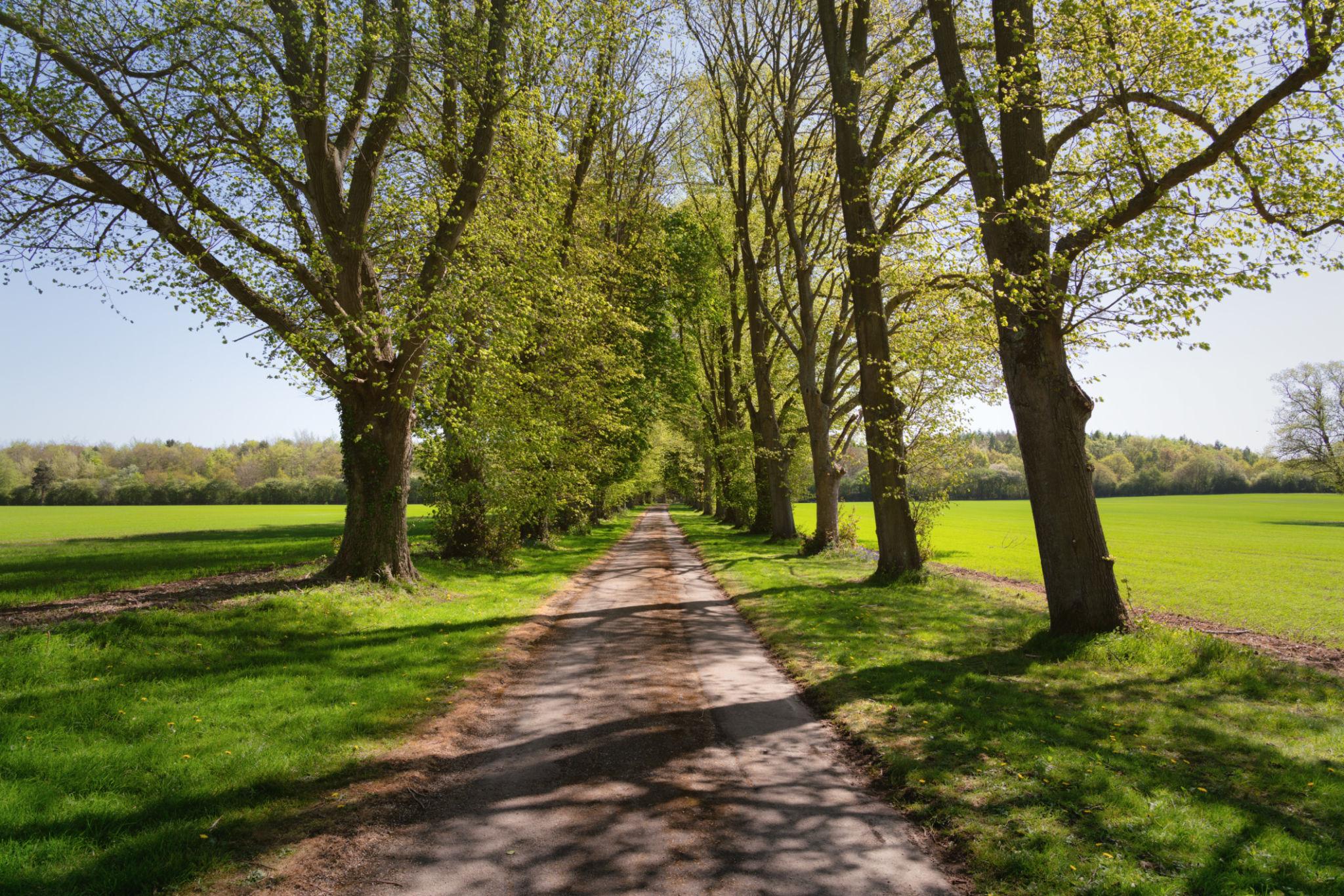
Sometimes, a walk gives us something we were not looking for. A distant bird call. A change in the air. A quiet moment that makes us pause.
Frederick Delius (1862–1934) lived during a time when rapid industrialization was changing life across Europe. Yet his music often turned away from busy cities and toward the quiet rhythms of nature. One of the finest examples is On Hearing the First Cuckoo in Spring.
A Composer Who Listened to Nature
Written for orchestra in 1912, the work is gentle and unhurried. The cuckoo's familiar two-note call appears quietly in the woodwinds, surrounded by soft orchestral colors that evoke a peaceful spring landscape.
There is no dramatic story unfolding. Instead, Delius invites us to listen. The cuckoo's call is simple, but the music gives it room to be noticed. That is part of what makes the piece so beautiful.
The Gift of Paying Attention
Walking can teach us something similar. When we focus only on where we are going, we can miss what is happening along the way—a beautiful tree, a bird singing, or the first signs of a new season.
Life can become like that, too. We move from one task to another, and even good things can become easy to overlook—the warmth of sunlight, a familiar melody, or a quiet moment to simply breathe.
Beauty Waiting to Be Heard
“Be still, and know that I am God.” (Psalm 46:10)
Being still means making space to notice God's presence and receive the small gifts He has placed in our lives. Delius's music reminds us that beauty does not always arrive with a great announcement. Sometimes it is simply a distant sound, easy to miss when we are moving too quickly.
Perhaps that is one of the gifts of walking. It gives us time to look around and listen. Sometimes, when we finally stop, we discover something beautiful waiting to be heard.
Read previous: Schubert and the Wanderer: What Our Journey Home Can Teach Us