Flu vs. Cold: A Christian Guide to Staying Healthy and Loving Your Neighbor
You wake up with a scratchy throat and a chill running through your body. Normally, you might dismiss it as a cold. But when you hear that friends or coworkers have caught the flu, you begin to wonder: Could this be the flu? What if I pass it to my family?
This year's flu season has brought those concerns earlier than usual. According to the CDC's November 13, 2026, report, an estimated 2.6 million flu illnesses, 36,000 hospitalizations, and 2,100 deaths had occurred in the United States so far this season. Seven jurisdictions reported high or very high levels of flu-like illness activity during the week ending November 7.
With Thanksgiving approaching, these numbers offer a reminder to take respiratory illnesses seriously.
For Christians, health is not only a personal concern. In churches, children, older adults, and people with chronic illnesses worship and fellowship together. Our choices can affect those around us.
Having studied public administration and economics, I often think about how individual decisions influence the well-being of a community. Infectious diseases offer a clear example.
Jesus taught us to love our neighbors as ourselves (Mark 12:31). During flu season, that love can begin with something as ordinary as taking care of our health.
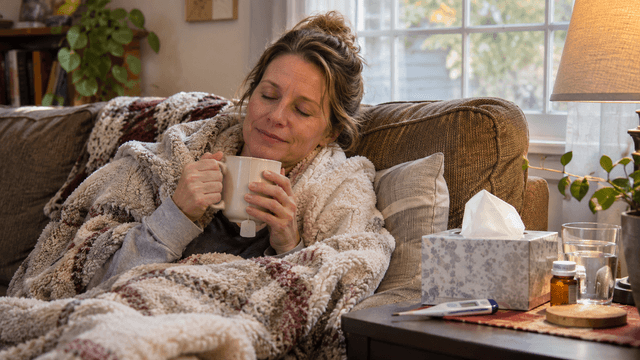
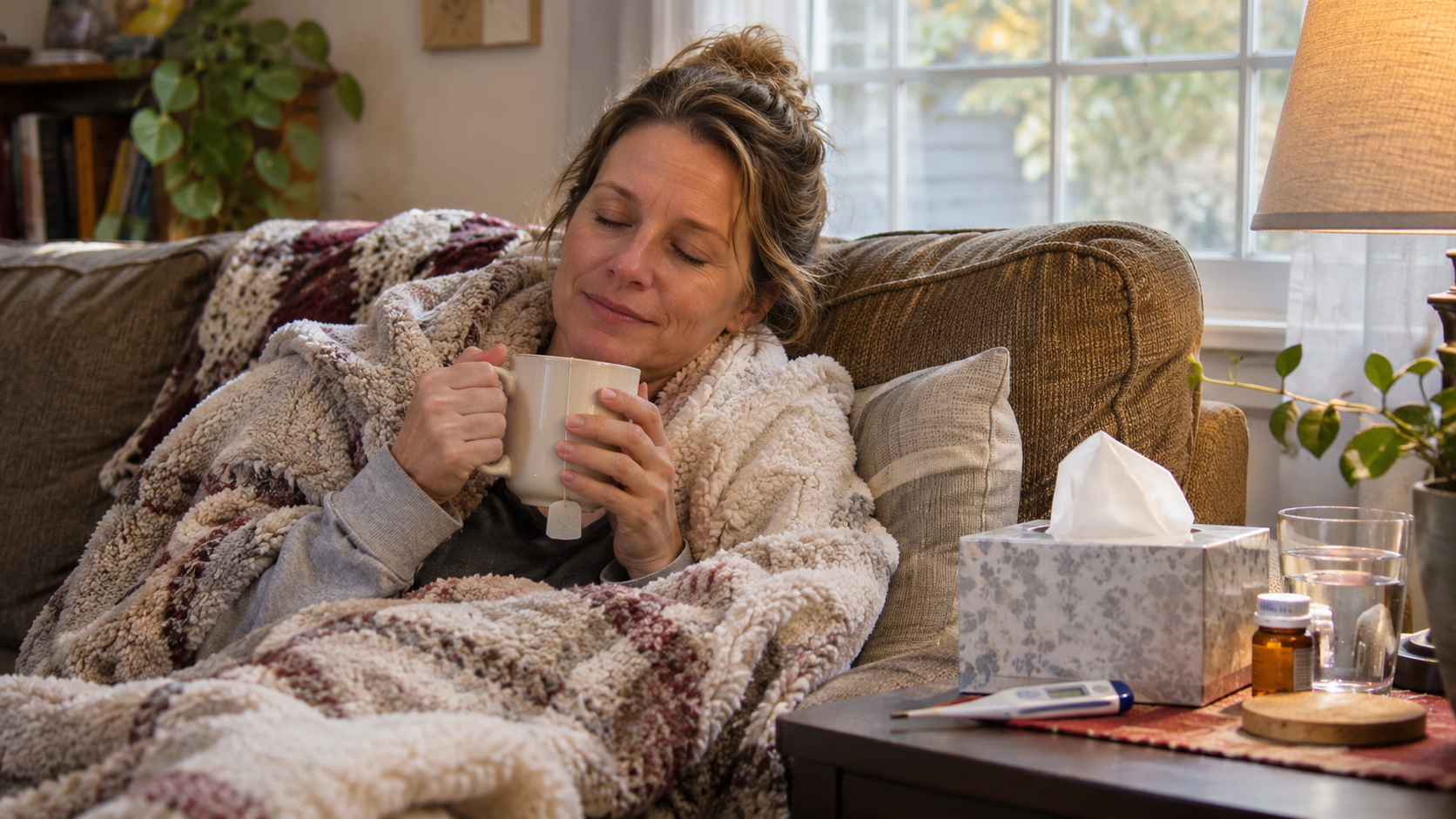 Rest and recovery are important when dealing with the flu. Taking time to heal is not a sign of weakness but a responsible way to care for our health and reduce the risk of spreading illness to others.
1. Flu or Cold? Understanding the Difference
People sometimes describe influenza as a particularly bad cold. But the two are caused by different viruses.
A cold usually develops gradually, often beginning with a sore throat, sneezing, or a runny nose. The flu tends to start more suddenly, sometimes bringing fever, chills, body aches, and exhaustion within hours.
According to the CDC, common flu symptoms include coughing, sore throat, fever or chills, headache, muscle aches, and fatigue. Children may also experience vomiting or diarrhea.
Not everyone with the flu develops a fever. Older adults and people with weakened immune systems may have less noticeable symptoms.
COVID-19 can also resemble the flu. Because symptoms overlap, we cannot reliably distinguish the two illnesses without appropriate testing.
If symptoms begin suddenly or become severe, especially after exposure to someone with the flu, consider contacting a healthcare provider.
Recognizing symptoms is useful, but it should never replace a medical diagnosis.
2. Early Treatment Matters, and So Does Faith
Prescription antiviral medications, including oseltamivir (Tamiflu), can help treat influenza.
The CDC advises that these medications generally work best when started within one or two days after symptoms appear. However, treatment may still benefit hospitalized patients and people at higher risk of complications, even when started later.
Those at greater risk include adults 65 and older, young children, pregnant women, people with chronic illnesses, and those with weakened immune systems.
If you belong to one of these groups and suspect the flu, contact your healthcare provider promptly.
Oseltamivir can cause side effects, most commonly nausea and vomiting. Unusual confusion or behavioral changes require medical attention, although influenza itself can also cause such symptoms.
For Christians, illness can raise questions about prayer and healing.
We believe God hears our prayers. We can ask Him for comfort, wisdom, and recovery. Yet prayer and medical treatment do not need to compete with each other.
Seeking medical care, taking prescribed medication, and allowing our bodies to rest are responsible ways of caring for the lives entrusted to us.
Illness is not evidence of weak faith, nor is good health a measure of spiritual maturity.
Trusting God and seeking appropriate medical care can go hand in hand.
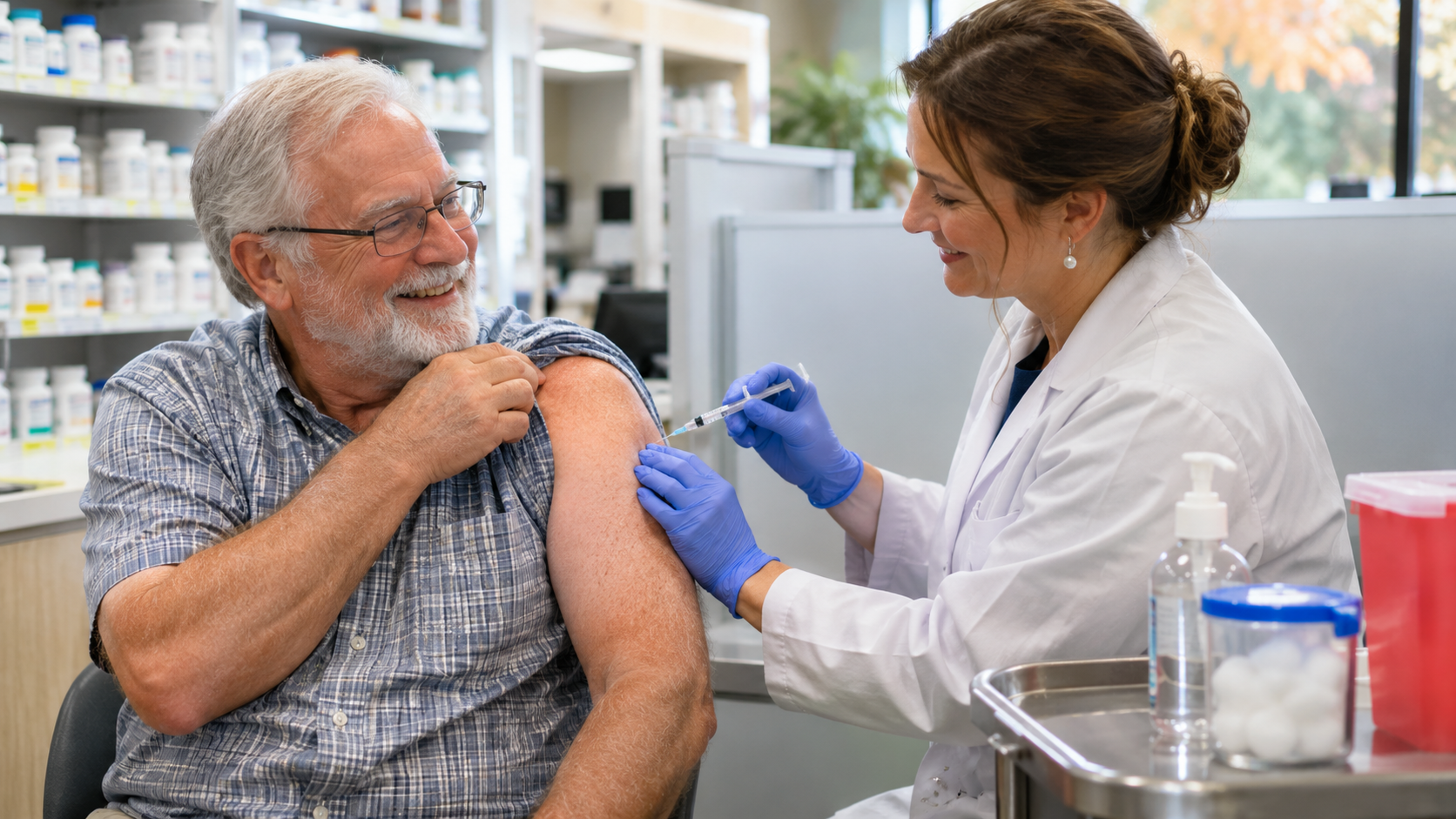 Getting an annual flu vaccine is an important step in protecting our health, especially for older adults. Taking preventive measures can also be a practical expression of love and consideration for those around us.
3. When Should You Seek Emergency Care?
Most healthy adults recover from influenza, but complications such as pneumonia can become serious.
Seek emergency medical attention if you experience difficulty breathing, persistent chest or abdominal pain, severe confusion, serious dehydration, or symptoms that improve and then suddenly worsen.
Children may show different warning signs, including rapid breathing, bluish lips, seizures, or unusual unresponsiveness. Any fever in an infant younger than 12 weeks requires prompt medical evaluation.
If you are concerned about a sudden deterioration in someone's condition, do not delay seeking help.
The purpose of recognizing flu symptoms is not to make ourselves experts in diagnosis. It is to know when professional care is needed.
And seeking help is not a failure of faith.
Paul reminds us that when one member of the body suffers, the others share in that suffering (1 Corinthians 12:26). Christian community should be a place where people can ask for help without embarrassment or fear.
4. Preventing the Flu Is an Expression of Neighborly Love
One of the most important ways to reduce the risk of influenza and its complications is annual vaccination.
The CDC recommends seasonal flu vaccination for everyone six months and older, with rare exceptions.
For adults 65 and older, certain higher-dose, adjuvanted, or recombinant vaccines are preferred when available. Vaccination should not be delayed simply to obtain a preferred product.
Medicare Part B covers seasonal flu vaccination without cost to the patient when the provider accepts Medicare assignment. Many private insurance plans also cover flu shots without out-of-pocket costs when obtained through eligible providers. Check your plan for details.
Other preventive habits are simple but valuable:
- Wash your hands regularly with soap and water.
- Cover coughs and sneezes.
- Improve indoor ventilation when possible.
- Consider a well-fitting mask in crowded indoor spaces or when respiratory illnesses are spreading.
- Stay home when you are sick.
These habits take on particular meaning in church life.
Before attending worship, a small group, or a Thanksgiving gathering, consider how you are feeling. If you have respiratory symptoms, staying home may be the most considerate decision.
Missing a service may feel disappointing, especially when worship and fellowship are important parts of our lives. But attending while ill is not necessarily an expression of greater faith.
Our churches include people whose health may be more vulnerable than our own.
A simple act of caution can help protect someone who might face serious complications from an infection.
Jesus' command to love our neighbors is not limited to dramatic acts of sacrifice. It can also be expressed through small, thoughtful decisions that protect others.
5. How Churches Can Care for Those Who Are Sick
When illness spreads through a congregation, some members may need more than medical advice.
An older person living alone might need groceries. A parent caring for sick children may need practical assistance. Someone recovering from the flu might simply appreciate a phone call.
Churches can respond in thoughtful ways.
A short message, a meal left at the door, or help arranging a medical appointment can make a meaningful difference. Not every act of care requires visiting someone in person, especially when doing so might spread an infection.
Galatians 6:2 calls believers to bear one another's burdens.
That calling becomes practical when we notice people who are struggling and offer help within our abilities.
Prayer remains important, but compassion also takes shape through action.
A healthy church community is not one where nobody becomes ill. It is one where people know they will not be forgotten when they do.
6. Rest Is Part of Recovery
When you have the flu, your body needs time to recover.
The CDC recommends staying home until symptoms are improving overall and you have been fever-free for at least 24 hours without fever-reducing medication.
For the following five days, additional precautions such as wearing a well-fitting mask, improving indoor air quality, and practicing good hygiene can help reduce transmission.
Yet resting can be difficult.
Many of us feel responsible for work, family, church activities, and ministry. We may worry that stepping away will disappoint others.
Scripture offers a meaningful reminder through the story of Elijah.
In 1 Kings 19, Elijah was exhausted and discouraged. God allowed him to rest, and an angel provided food for him. The angel's words were simple: "Arise and eat" (1 Kings 19:5, KJV).
This passage is not a medical treatment guide. Still, it reminds us that our physical needs matter.
Even faithful servants of God experience exhaustion.
Resting when we are ill is not laziness. It allows our bodies to recover and helps protect others from unnecessary exposure.
Sometimes the responsible thing to do is to stop, accept help, and allow ourselves time to heal.
Conclusion: Caring for Our Health, Caring for One Another
The flu and the common cold share many symptoms, but influenza often begins more suddenly and may cause more severe body aches and fatigue.
Because symptoms overlap with other respiratory illnesses, testing and medical advice may be necessary. People at higher risk of complications should seek care early.
For Christians, these practical health decisions also invite spiritual reflection.
Our bodies deserve care, and our neighbors deserve consideration.
Getting vaccinated, practicing good hygiene, staying home when sick, and helping those who are recovering may seem like ordinary actions. Yet they can become expressions of the love Christ calls us to show.
As Thanksgiving approaches, may we remember those who are ill, check on neighbors who live alone, and make thoughtful decisions that protect our families and communities.
Caring for our health is not separate from loving our neighbors. It can be one of the ways we live out that love.
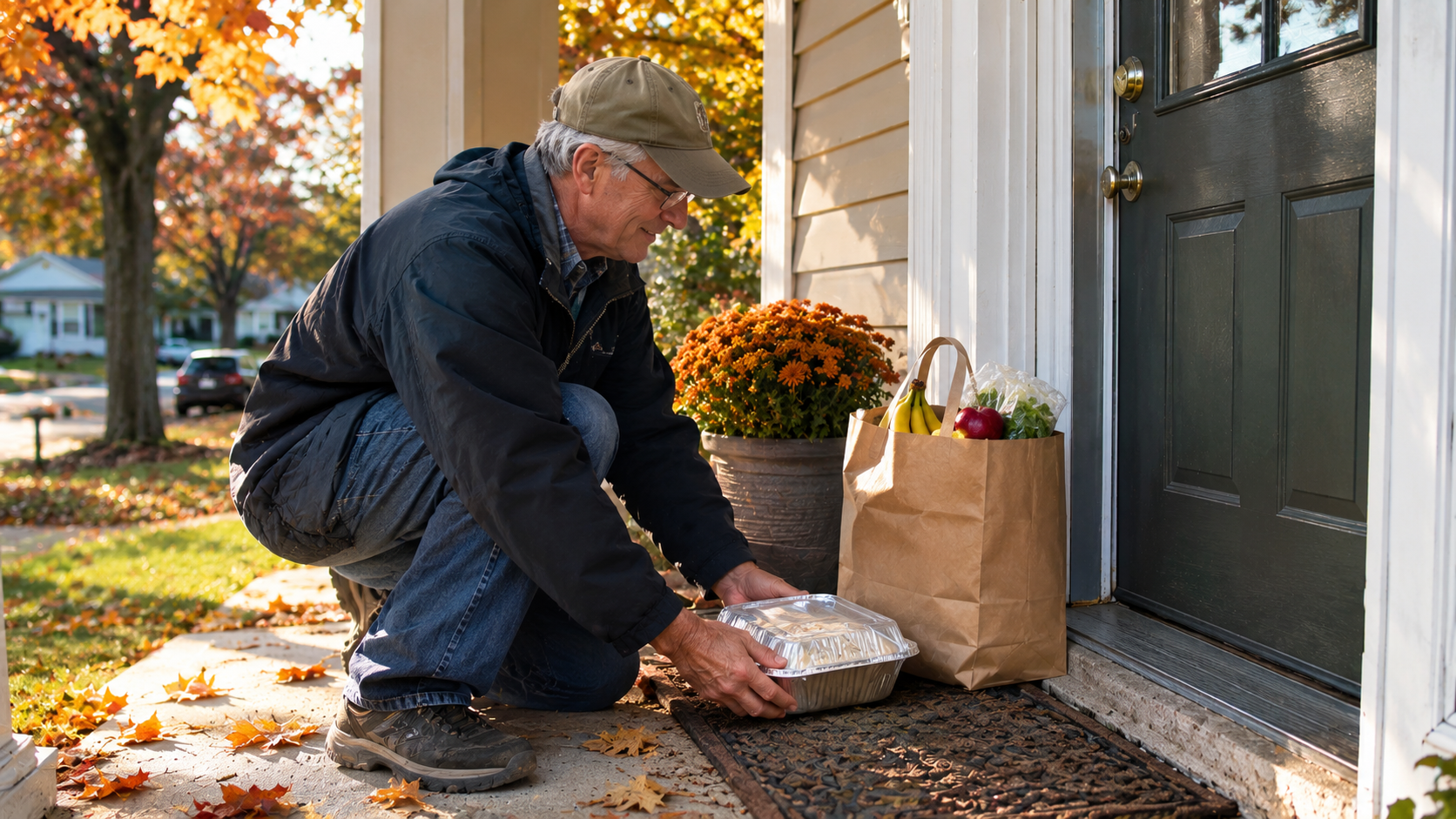 A simple act of kindness can make a meaningful difference for someone recovering from illness. Delivering groceries or a warm meal is one way Christians can care for their neighbors and put the biblical call to love one another into practice.
Scripture for Reflection
- Mark 12:31 — Loving our neighbors as ourselves
- 1 Corinthians 12:26 — Sharing in one another's suffering
- Galatians 6:2 — Bearing one another's burdens
- 1 Kings 19:5–8 — God's provision for an exhausted Elijah
References
1. [CDC. Weekly U.S. Influenza Surveillance Report, Week 44, ending November 7, 2026.](https://www.cdc.gov/fluview/surveillance/2026-week-44.html)
2. [CDC. Signs and Symptoms of Flu.](https://www.cdc.gov/flu/signs-symptoms/)
3. [CDC. Treating Flu with Antiviral Drugs.](https://www.cdc.gov/flu/treatment/antiviral-drugs.html)
4. [CDC. Key Facts About Seasonal Flu Vaccines.](https://www.cdc.gov/flu/vaccines/keyfacts.html)
5. [CDC. Preventing Spread of Respiratory Viruses When You're Sick.](https://www.cdc.gov/respiratory-viruses/prevention/precautions-when-sick.html)
6. [Medicare.gov. Flu Vaccine Coverage.](https://www.medicare.gov/coverage/flu-vaccines)
This article provides general health information and Christian reflection based on public health guidance available as of November 2026. It is not a substitute for professional medical advice, diagnosis, or treatment. Scripture references are from the King James Version (KJV).