How Debussy Turned Mallarmé’s Poem Into Music: Prelude to the Afternoon of a Faun
What does a poem sound like when it becomes music?
Sometimes, a composer follows a story step-by-step, giving its characters, conflicts, and emotions a clear musical voice. But not every literary work needs to be retold. What stays with us isn’t always a plot—it can be an image, a feeling, or a dream.
Claude Debussy (1862–1918)’s Prélude à l’après-midi d’un faune (Prelude to the Afternoon of a Faun) works this way. Inspired by Stéphane Mallarmé’s poem L’après-midi d’un faune (The Afternoon of a Faun), Debussy didn’t try to translate the text from start to finish. Instead, he captured its dreamlike atmosphere in music.
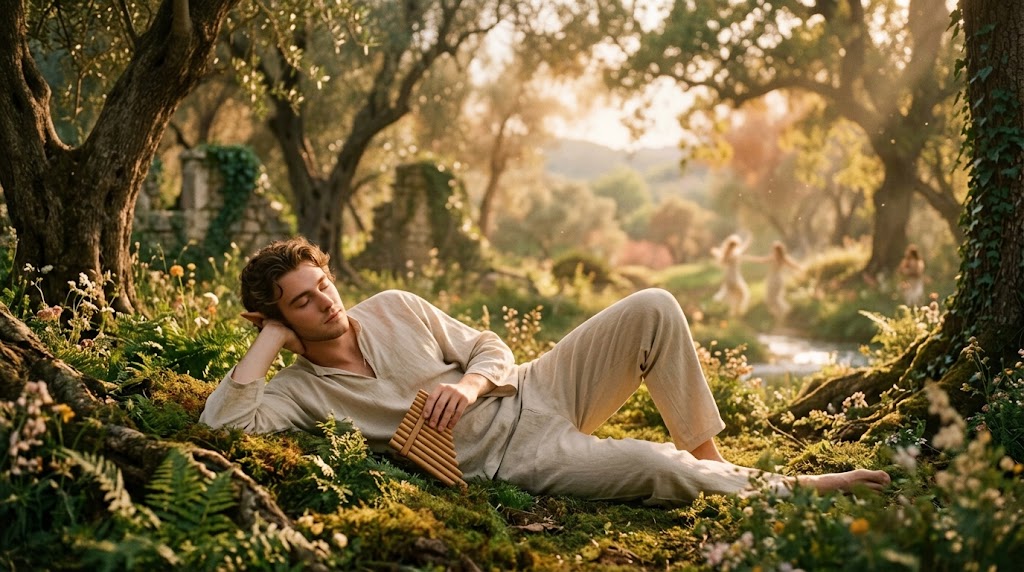
When a Poem Becomes a Dream
Mallarmé’s poem follows a faun—a mythical woodland creature—on a warm afternoon as he recalls two nymphs he has encountered and drifts between desire, memory, and imagination. But the poem never presents these experiences as a simple, clear story. Its images shift and blur, creating the feeling of a dream.
Mallarmé’s poetry thrives on suggestion rather than direct description, leaving images and ideas partially hidden. Debussy embraced that approach.
The iconic opening flute melody feels less like a dramatic beginning than a scene already unfolding before we arrive. It wanders, pauses, and gently shifts direction, creating a sense of mystery and possibility.
Can Music Tell a Story Without Telling It?
Prélude à l’après-midi d’un faune invites us to listen differently. Instead of asking, “What happens next?” we might ask, “What does this music awaken in me?”
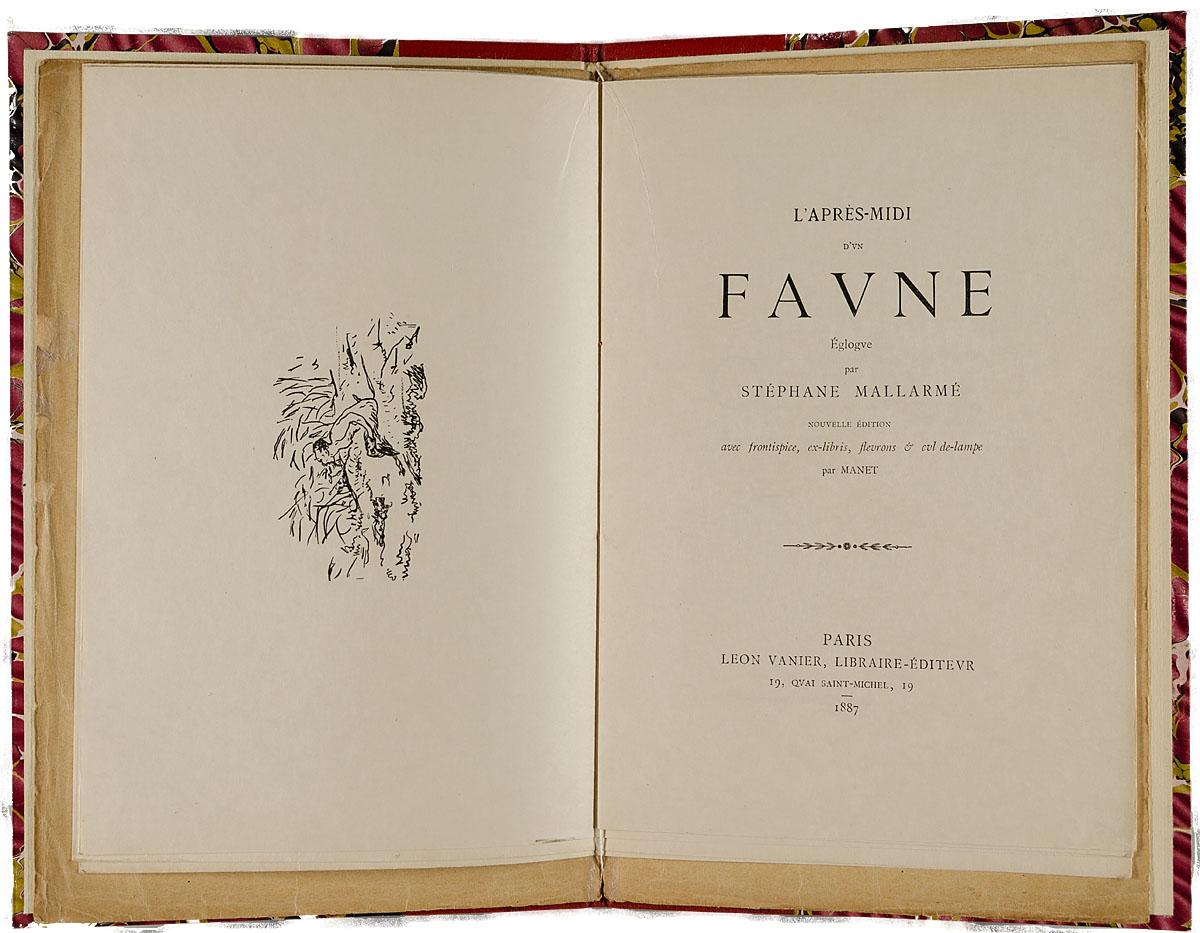 Stéphane Mallarmé’s L’Après-Midi d’un Faune, illustrated by Édouard Manet
The music feels warm, elusive, and dreamlike, leaving room for each listener to imagine something different. Perhaps creativity begins this way too: a poet notices a moment, a composer responds with sound, and a listener discovers meaning through imagination.
Eternity in the Human Heart
“He has made everything beautiful in its time. He has also set eternity in the human heart...” — Ecclesiastes 3:11
Perhaps this is part of why beauty can move us so deeply. A piece of music can stir wonder and longing that reach beyond the moment itself, reminding us that some beauty and mystery cannot be fully explained.
Debussy didn’t need to spell out Mallarmé’s poem line by line. He allowed its images and atmosphere to become music.
And perhaps that is one of the greatest gifts of art: not everything beautiful needs a complete explanation. Some things are meant to slow us down, awaken our imagination, and leave us with a sense of wonder.
Read previous: The Little Mermaid and Alexander von Zemlinsky: A Story Beyond the Fairy Tale