How Shakespeare Inspired Tchaikovsky: Romeo and Juliet and the Longing for Peace
Some stories stay with us for centuries because they speak to something deeply human. William Shakespeare’s Romeo and Juliet is one of them: a story of love caught in a world shaped by hatred, pride, and conflict.

More than two centuries later, Russian composer Pyotr Ilyich Tchaikovsky (1840–1893) transformed Shakespeare’s tragedy into an orchestral work, Romeo and Juliet: Overture-Fantasy. Rather than retelling every event of the play, the music captures its emotional world—tender love, violent conflict, longing, and loss.
Tchaikovsky first composed this work in 1869 and later revised it several times, shaping it into the powerful orchestral work we know today.
Love in a Divided World
One of the most striking features of Tchaikovsky’s Romeo and Juliet is its contrast between love and conflict. The music associated with the feud is urgent and forceful, while the famous love theme unfolds with warmth, tenderness, and deep longing (beginning at 7:05).
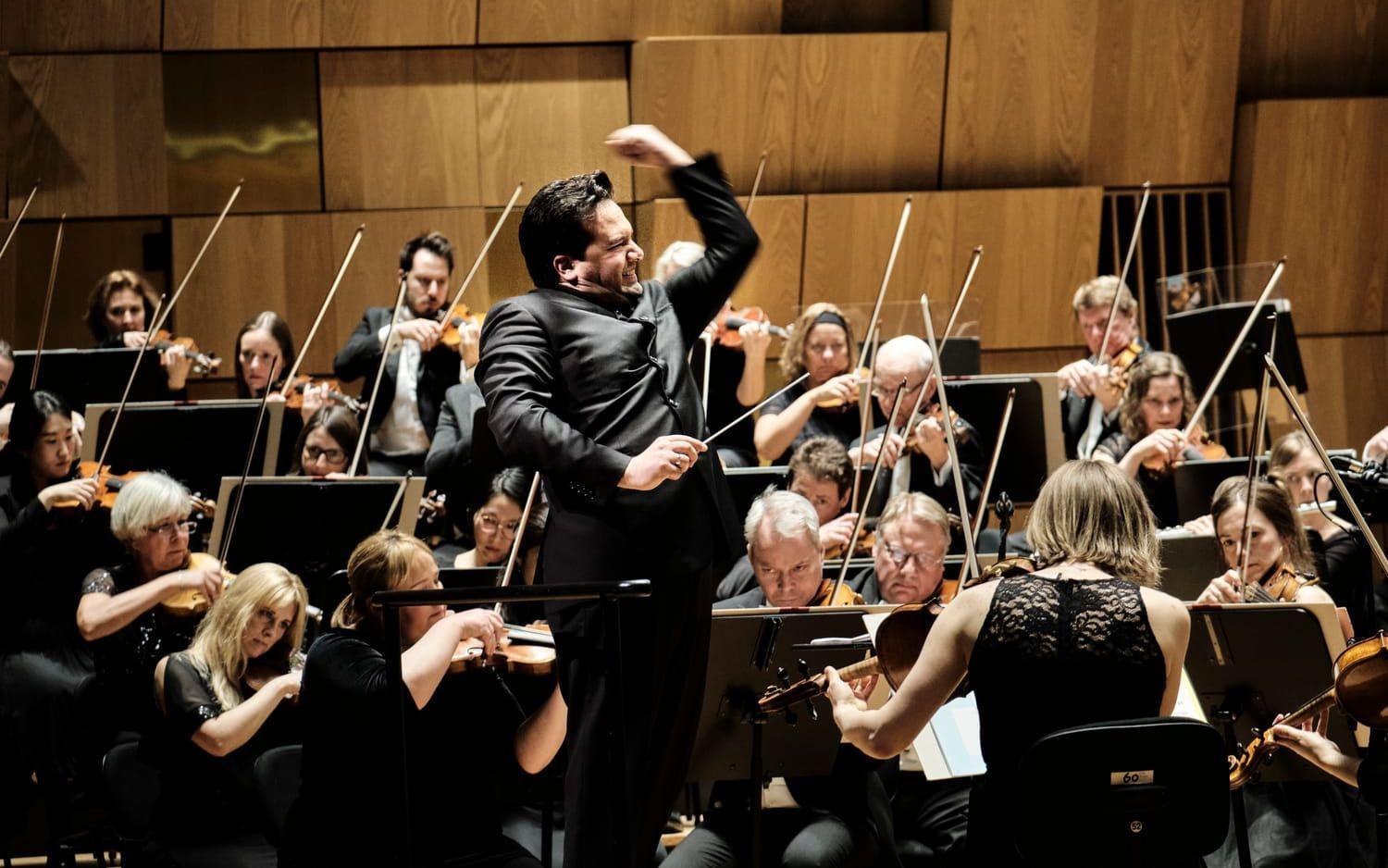 Photo by Manuel Nägeli
Romeo and Juliet’s love brings tenderness into a world divided by bitterness. Their love cannot escape the violence around them, yet it reveals what that violence destroys.
That tension still feels familiar. We may not live in a world of feuding families, but conflict can divide families, friendships, churches, and communities. Peace often begins with something small: listening before responding, choosing gentleness instead of anger, or refusing to let resentment have the final word.
The Longing for Peace
Romeo and Juliet offers no easy reconciliation. By the time the two families recognize the cost of their hatred, it is too late. The tragedy leaves us not with a simple solution, but with the painful question of what might have been different if reconciliation had come sooner.
“Blessed are the peacemakers, for they will be called children of God.” — Matthew 5:9
For Christian listeners, Tchaikovsky’s music can become an invitation to reflect on that calling. It does not give us a simple moral lesson, but it makes us feel the cost of a world in which love is surrounded by conflict.
We cannot resolve every conflict, and peace does not always depend on us alone. But where God has placed us, we can choose how we respond: by listening, seeking understanding, speaking truth with grace, and refusing to let division have the final word.
The story ends in tragedy, but its beauty leaves us with a question: What might change if we chose peace before conflict has gone too far?
Read previous: How Goethe Inspired Schubert’s Erlkönig: A Song of Fear and Urgency