How to Listen to a Solo Instrument: A Beginner’s Guide to Deep Musical Listening
Listening to a solo instrument can seem simple at first. With only one performer and one instrument, it may appear that there is less to hear than in an orchestra.
Yet the opposite is often true. In a solo performance, every detail stands out—the color of a note, the shape of a phrase, the timing of a pause, and even silence itself. Close listening reveals emotion and meaning that might otherwise go unnoticed.
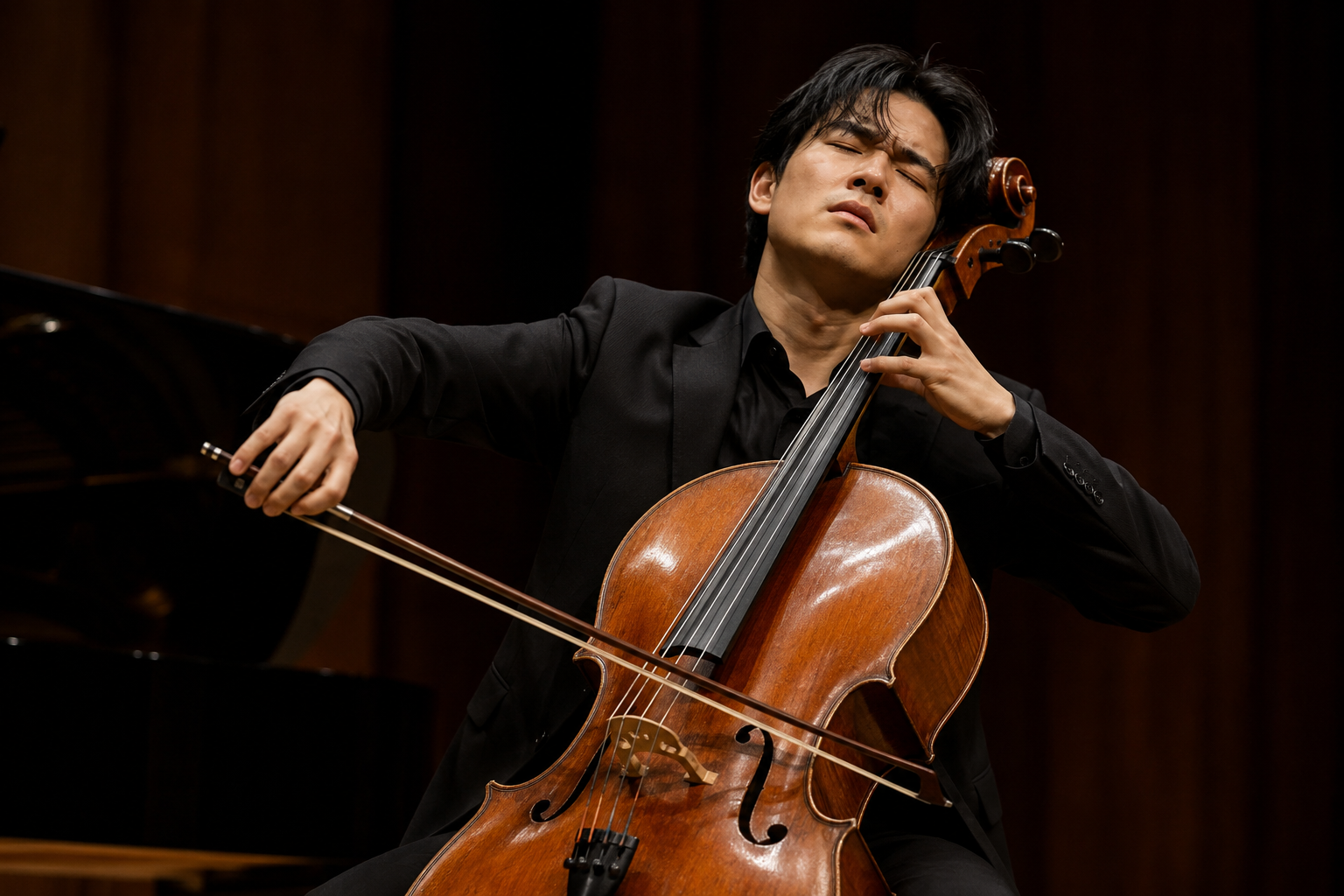
Here are five ways to listen more deeply to solo instrumental music.
Listen for Tone, Not Just Notes
Two musicians can play exactly the same notes and still sound completely different. One violinist may produce a warm, singing tone, while another creates a brighter, more brilliant sound. A pianist may play with clarity and precision, while another emphasizes richness and depth.
Before following the melody, ask yourself a simple question: What does this sound feel like? Tone is often the first thing we respond to emotionally, even before we understand why.
Lean Into the Silences
Some of the most meaningful moments in solo music happen when no notes are being played. A brief pause before a phrase continues can create anticipation, reflection, or release. Great performers know that silence is not empty space—it is part of the music itself.
Rather than waiting for the next note, listen to what the silence is doing.
Follow One Idea as It Changes
Many solo works are built around a small musical idea that returns throughout the piece in different forms. Try listening for a short melody, rhythm, or pattern near the beginning, and notice how it changes as the music unfolds.
It may become faster, slower, louder, softer, or appear in a completely different mood. Once you begin following these transformations, the music starts to feel less like a series of events and more like a conversation.
Notice How the Performer Shapes Time
In solo performance, timing becomes especially personal. A performer may slightly slow down at a meaningful moment, let a beautiful phrase breathe, or press forward with a sense of urgency. These small decisions shape the character of the music in ways that go beyond the written notes.
When you listen to two different recordings of the same piece, you may notice how distinct they can feel. Even with identical scores, each interpretation can sound like a completely different experience, shaped by the performer’s sense of time, phrasing, and expression.
Listen More Than Once
The first listening helps us become familiar with the piece. The second reveals details we missed before. By the third or fourth listening, we begin to recognize patterns, anticipate moments, and develop a deeper connection with the music. The music itself has not changed; what has changed is our ability to hear it.

Learning to listen to a solo instrument is ultimately an exercise in attention. The more carefully we listen, the more we discover. What first seemed like a single voice gradually reveals a world of expression, nuance, and meaning hidden within every phrase.
Read previous: How to Listen to a Symphony Without Getting Lost