Mahler’s Symphony No. 3: What We See from Higher Ground
Every summer, Gustav Mahler retreated to the Austrian mountains to compose. Surrounded by forests, open skies, and alpine air, he took long walks that gave him space to listen, think, and let new music take shape.
For Mahler, nature was more than a beautiful backdrop. It became part of the music itself.
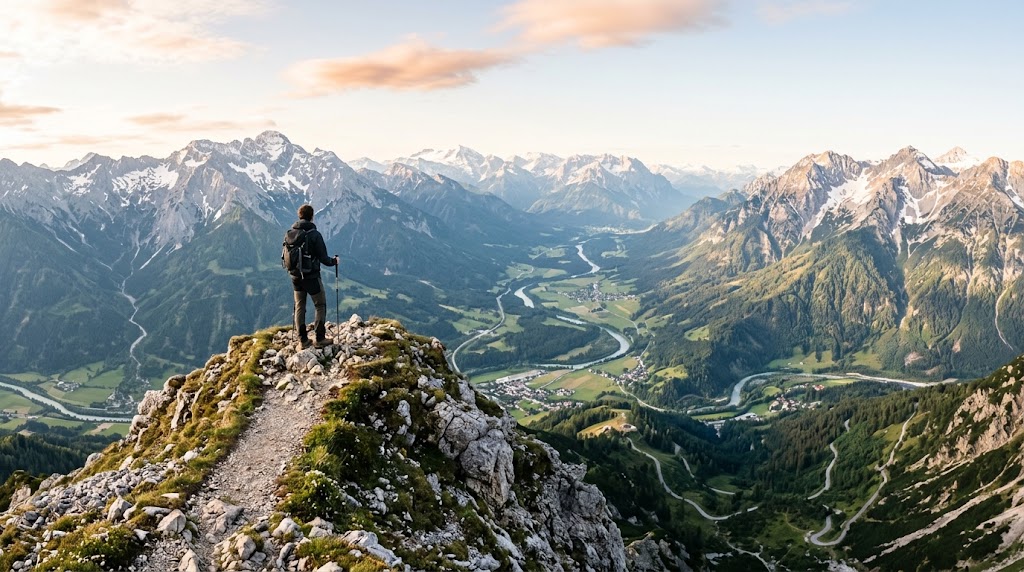
One of the works that grew from this deep connection with nature was Symphony No. 3. Composed between 1893 and 1896, the symphony is one of Mahler’s largest works, moving through a wide range of moods and creating an extraordinary sense of space.
A Symphony Shaped by Nature
Symphony No. 3 takes listeners on a long journey through different aspects of nature. The music shifts between powerful, expansive passages and quieter, more reflective moments, like a landscape changing around us.
As you listen, notice how the changing moods and spacious sound evoke a vast natural landscape.
What a Walk Can Give Us
Mahler’s mountain walks were part of his creative process. Away from everyday demands, he had space to walk, observe, and listen to the sounds of nature—the wind, distant birds, footsteps, and silence.
We may not all have mountains nearby, but we can still find value in stepping away from our usual routines. A quiet walk can give our minds room to breathe, help us notice what we often overlook, and offer a little distance from the problems on our minds.
Listening Beyond the Music
There is something special about listening while walking. As we move through a landscape, we notice small things—the distant sound of a bird, a change in the air, or the familiar path looking different in another season.
Mahler’s music invites us to listen in much the same way, paying attention not only to the main melody but also to the sounds, changes, and silences around it. Sometimes, what happens in the background helps us hear the whole picture.
“I lift up my eyes to the mountains—where does my help come from?” (Psalm 121:1)
The psalmist looks toward the mountains, but his help comes not from the mountains themselves, but from the Lord, the Maker of heaven and earth. When we step back from our immediate circumstances and lift our eyes, we may begin to see our lives from a wider perspective.
Sometimes, we do not need to change everything; we simply need to step back. A problem may look different from a little distance, and a confusing path may become clearer. Mahler’s mountain walks remind us that stepping away can help us lift our eyes and gain a wider perspective.
Read previous: Delius and the First Cuckoo of Spring: What We Notice When We Slow Down