Richard Strauss’s Don Juan, Op. 20: How an Orchestra Tells a Story
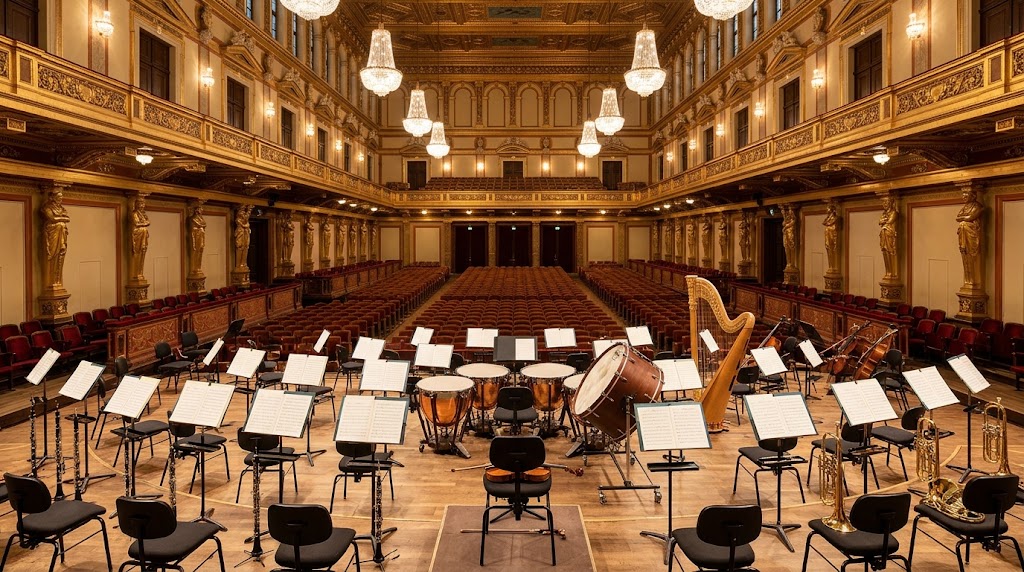
Can an orchestra tell a story without words? Through melody, rhythm, and changing instrumental colors, music can introduce a character, suggest a scene, and carry us through a range of emotions.
Composed in 1888–1889, Richard Strauss’s Don Juan, Op. 20, is a tone poem inspired by Nikolaus Lenau’s poetic interpretation of the legendary Don Juan. Through bold orchestral passages and contrasting moods, Strauss brings the restless, passionate character to life.
A Character Comes to Life
The piece opens with a burst of energy. Bright, powerful orchestral sounds introduce Don Juan as a daring, self-assured figure. The horns add a heroic quality, while the strings drive the music forward.
As the music unfolds, the mood begins to change. A solo violin introduces a more lyrical passage, offering a contrast to the bold opening. Its expressive melody suggests a more intimate side of the story before the full orchestra returns with renewed energy.
Notice how Strauss shifts between bold, energetic passages and softer, more reflective melodies. Each instrument adds a different shade of emotion, helping the orchestra tell the story.
Different Voices, One Story
In Don Juan, the orchestra brings the character to life through contrasting instrumental sounds and expressions.

Our lives can be enriched in much the same way. We may have different gifts and ways of expressing ourselves, yet each of us has something to contribute to a greater whole.
“Just as a body, though one, has many parts, but all its many parts form one body, so it is with Christ.” — 1 Corinthians 12:12
Paul’s words remind us that unity does not require sameness. Just as the orchestra brings many distinct voices together, we can use our different gifts to contribute to something greater than ourselves.
Throughout this series, we have heard instruments exchange ideas, support one another, and bring characters to life. Strauss’s Don Juan brings these possibilities together, showing how an orchestra can tell a vivid story through sound alone.
Read previous: Prokofiev’s Peter and the Wolf, Op. 67: When Instruments Become Characters