When Can You Eat Normally Again After Stomach Flu? A Stage-by-Stage Recovery Guide
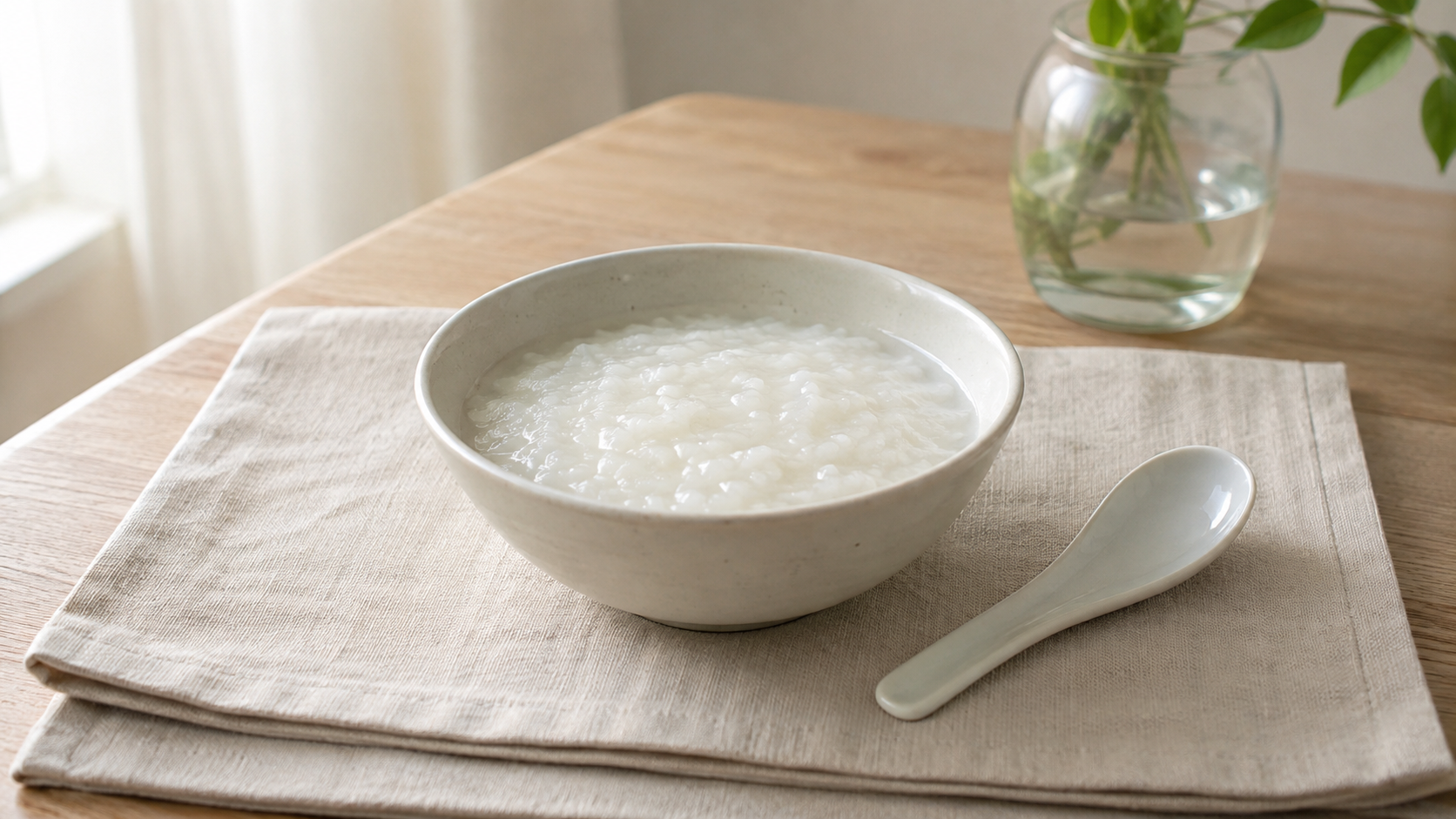 Once fluids are well tolerated and nausea begins to ease, small portions of gentle foods such as plain rice porridge can help the digestive system gradually return to normal eating.
After a few rough days with stomach flu, there's a question that ends up more complicated than you'd expect:
"Can I actually eat normally now?"
Once the diarrhea eases up and the vomiting stops, hunger creeps back in. After days of eating nothing but plain rice porridge, meat, kimchi, or even just a regular cup of coffee starts sounding appealing.
But then you eat a normal meal, thinking you're fine — and your stomach hurts again, or you're back in the bathroom. Now you're worried.
Is the stomach flu not actually gone yet?
On the flip side, some people stay overly cautious and eat nothing but broth and porridge for days longer than necessary.
So when, exactly, should you go back to eating normally after stomach flu?
The short answer: there's no fixed rule like "wait a certain number of days after diarrhea completely stops."
The National Institute of Diabetes and Digestive and Kidney Diseases (NIDDK) explains that for viral gastroenteritis, most people can resume a normal diet once their appetite returns, and there's no need to stay on a restricted diet just because some diarrhea remains. Fasting or maintaining an overly restricted diet generally isn't recommended either.
There's one important condition, though.
"Being able to eat" and "eating anything and everything like normal" aren't the same thing.
Gradually increasing the amount and variety of food while paying attention to your body's actual recovery pace tends to make for a more comfortable recovery.
Stage 1 — If You're Still Vomiting, Fluids Come Before Food
During the worst of it, what matters more than what to eat is **whether you can actually keep fluids down.**
Repeated vomiting and diarrhea drain not just water but electrolytes too. Drinking a large amount of water all at once can actually trigger more vomiting, so small, frequent sips work better.
Water, clear broth, and appropriate electrolyte drinks can help — and oral rehydration solution (ORS) is used specifically for higher dehydration risk. [A doctor-recommended electrolyte powder like Pedialyte's variety pack] is worth keeping on hand for exactly this kind of situation (affiliate link — I may earn a small commission at no extra cost to you).
There's no need to force yourself to eat during this stage.
If you're still vomiting even after sipping water, the priority isn't figuring out solid food — it's watching carefully for dehydration.
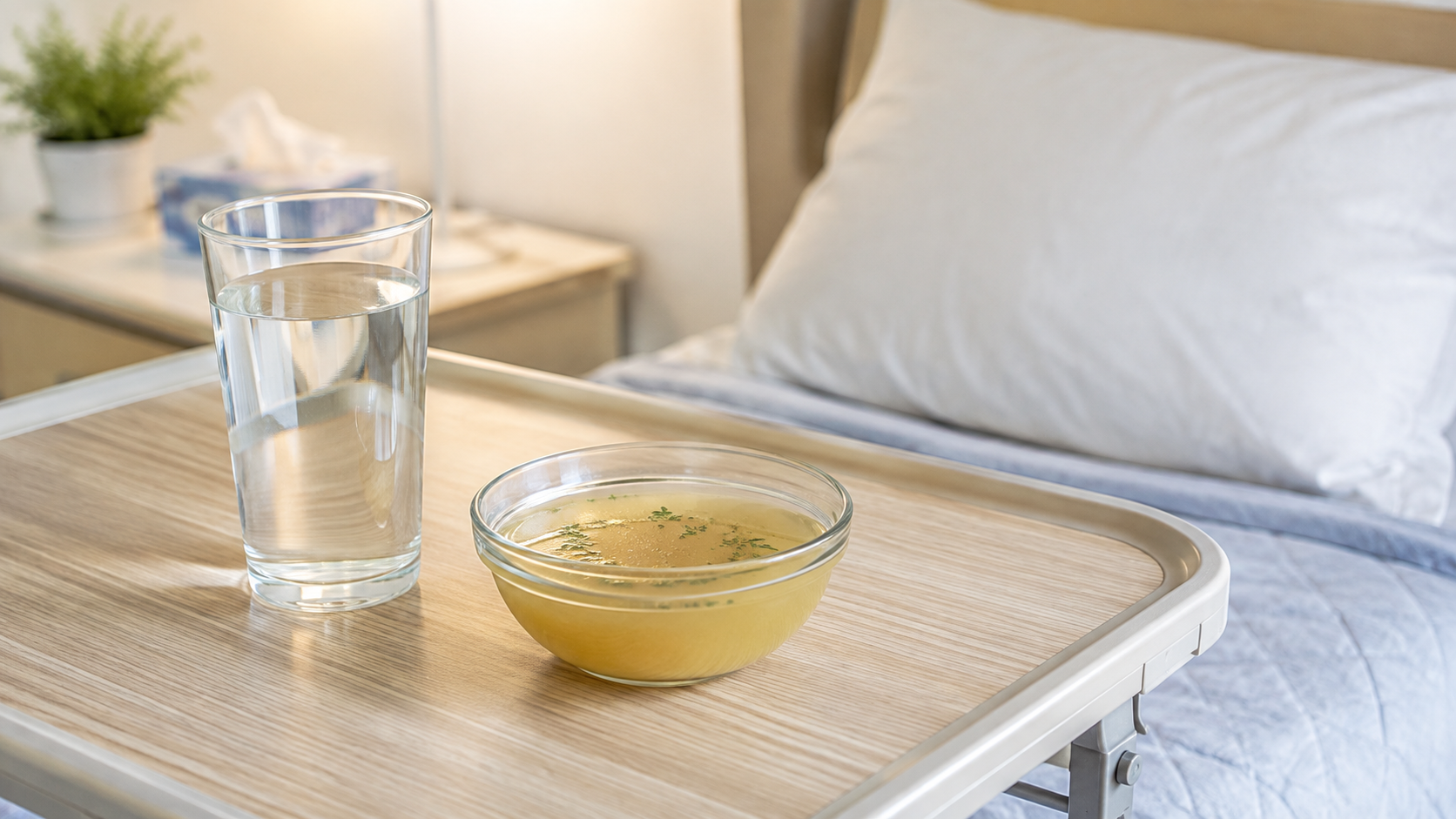 During the early stage of gastroenteritis recovery, staying hydrated is the priority. Small, frequent sips of water, clear broth, or an oral rehydration solution can help replace fluids lost through vomiting and diarrhea.
Stage 2 — Once Water Sits Okay, Try a Small Amount of Food
Once you can keep water down without vomiting, and your stomach starts to settle a bit, you can begin introducing small amounts of food.
Relatively gentle options — porridge, rice, noodles, oatmeal, banana, toast — are easiest to start with, in small portions. Mayo Clinic similarly notes that as symptoms ease, you can gradually resume eating with easier-to-digest foods like crackers, soup, oats, noodles, bananas, and rice.
What matters here is not eating a large amount at once.
If you'd normally eat a full bowl of rice, try half a bowl first and watch how your body responds.
If severe nausea or abdominal pain returns after eating, it's better to scale back the amount and refocus on staying hydrated for a bit longer.
Stage 3 — Once Your Appetite Returns, You Can Move Closer to Normal Eating
One of the most important signals that you're ready to return to normal eating is your appetite genuinely coming back.
I'm hungry.
I actually want to eat something real.
My stomach doesn't feel too uncomfortable after eating.
Once changes like this show up, there's no need to keep restricting your diet unnecessarily.
The so-called BRAT diet — bananas, rice, applesauce, and toast — used to be widely recommended for people recovering from gastroenteritis.
But current guidance leans less toward sticking with just those few foods for an extended period, and more toward returning to a nutritionally varied, normal diet once you're able to eat.
If you started with porridge, you can gradually broaden things to include rice with clear soup, gently cooked vegetables, and eggs.
The key isn't a specific date — it's how your own body is actually responding to food.
Stage 4 — Being Ready for Normal Food Doesn't Mean Fried Chicken and Instant Noodles Yet
This is where a lot of people slip up.
Eating porridge all morning, then feeling better by evening and jumping straight to fried chicken, grilled pork belly, or spicy instant noodles.
"You can eat normally again" doesn't automatically mean you can go straight back to intense, heavily seasoned food.
While some diarrhea remains, the following foods in particular can make symptoms worse:
- Greasy or fried food
- Very spicy food
- Alcohol
- Caffeinated drinks like coffee
- Sugary drinks and desserts
- For some people, milk or certain dairy products
NIDDK explains that during acute diarrhea, high-fat foods, caffeine, alcohol, and large amounts of simple sugar can make diarrhea worse. Some people also have difficulty digesting lactose for a while after recovering from acute diarrhea.
If your stomach flu seems to have cleared up, but your stomach gurgles or diarrhea returns every time you drink milk, this temporary lactose sensitivity may be worth considering.
So How Do You Actually Judge When You're Ready for Normal Food?
Rather than counting days, it's more realistic to check these four things:
Can you drink enough fluids?
Has the vomiting stopped?
Is your appetite coming back?
Are you no longer getting severe abdominal pain or vomiting after eating?
If these are all trending in the right direction, you can gradually move back toward your normal diet rather than insisting on porridge alone.
On the other hand, if eating anything still triggers vomiting, or signs of dehydration show up, the priority isn't figuring out your diet — it's getting a medical evaluation.
Rushing Back to Normal Can Actually Slow Recovery Down
When we're sick, we often get surprisingly impatient.
I have to go back to work tomorrow.
I've got a backlog of things to do.
Shouldn't I start eating normally today so I have some energy?
The body is still recovering, but the mind is already racing back to normal life.
But recovery is its own process.
Your body not fully bouncing back in a single day doesn't mean something's wrong.
Today, you might finally manage to drink water properly. Tomorrow, a bowl of porridge might feel manageable. And after that, an ordinary meal might feel comfortable again.
Those small changes are the recovery itself.
How Should Christians View a Sick Body?
Scripture doesn't teach that only the soul matters while the body is unimportant.
Paul writes:
"Whether therefore ye eat, or drink, or whatsoever ye do, do all to the glory of God." (1 Corinthians 10:31, KJV)
Interestingly, this verse mentions something as ordinary as eating and drinking.
Faith doesn't only show up in grand moments.
Eating well, resting when rest is needed, and caring for the body when it's sick can all be understood as part of faithfully living out the life God has entrusted to us.
So pushing yourself hard while you're sick isn't automatically a sign of faith.
Sometimes, stopping is genuinely necessary.
Listening when your body says "slow down a little" is its own kind of wisdom.
After recovering from stomach flu, the day you finally eat a warm bowl of rice without any discomfort, even an ordinary meal starts to feel new.
Being able to drink water.
Being able to eat a meal.
Being able to sleep.
Being able to return to daily life again.
Things we take so completely for granted that we forget to be thankful for them — sickness has a way of reminding us that these were reasons for gratitude all along.
The Bottom Line: It's Your Body's Response That Matters, Not the Calendar
There's no fixed rule that you must eat nothing but porridge for exactly three days after stomach flu, or that you have to wait until diarrhea completely stops before eating rice.
Once your appetite returns and you're tolerating both fluids and food well, you can generally move gradually back toward a normal diet.
That said, rather than eating a large portion right away or reaching for greasy, spicy, intense food, it's often more comfortable to check how your body is responding and ease back into your regular diet slowly.
Recovery isn't a race.
Eating normal food a day later than you could have doesn't cause any real harm, and eating normal food sooner doesn't necessarily mean you'll recover faster either.
Eat as much as your body can genuinely handle today, drink enough fluids, and rest as much as you need.
And when you're finally able to enjoy an ordinary meal again without discomfort, it's worth noticing the gratitude that was hiding inside that ordinariness all along.
When to See a Doctor
If you're still vomiting despite drinking fluids, notice significantly reduced urination, experience severe dizziness or other signs of dehydration, see blood in your stool, or have severe abdominal pain or a high fever, don't just wait it out with dietary adjustments — get a medical evaluation.
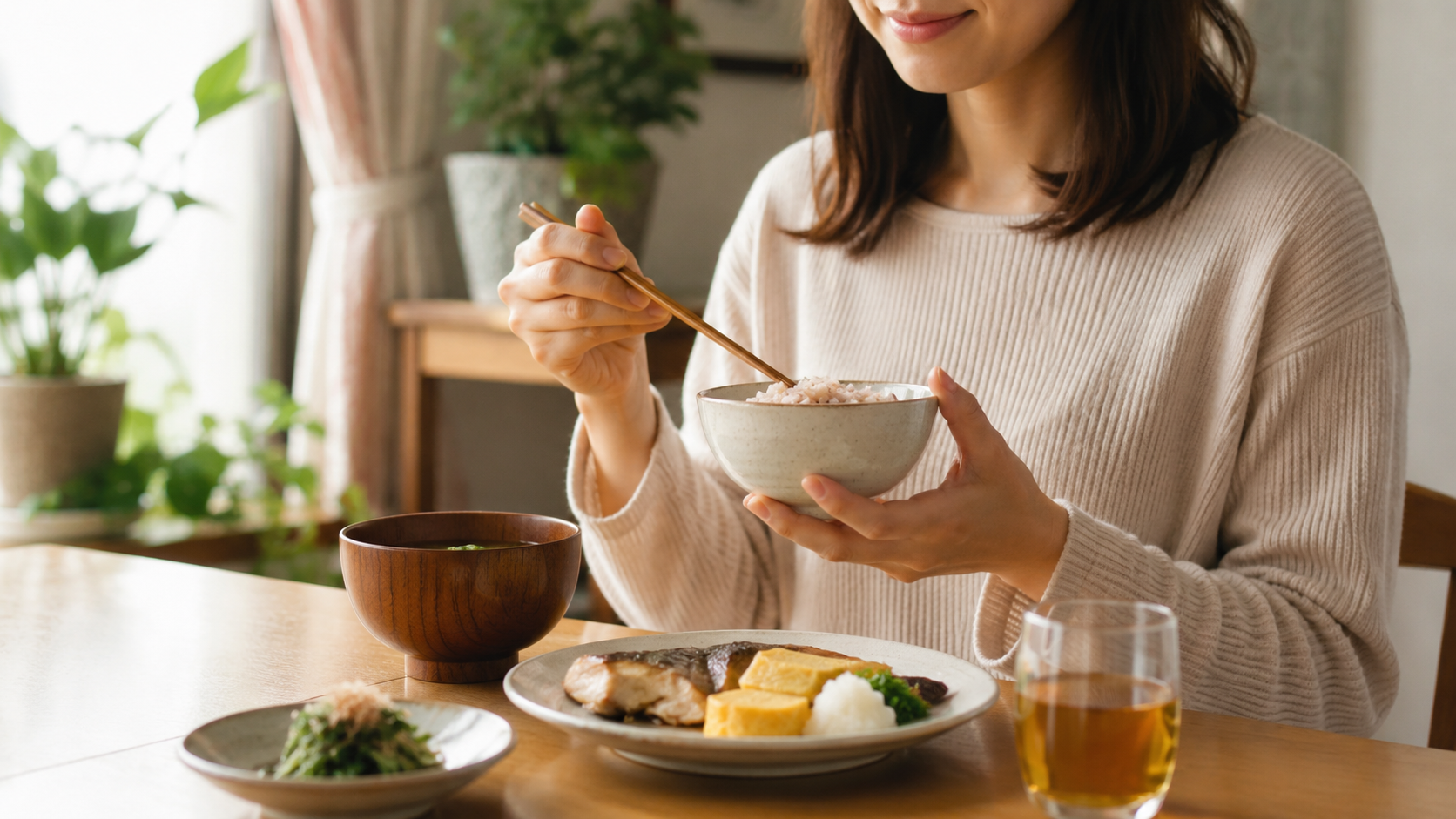 As appetite returns and food can be eaten without significant discomfort, a gradual return to a balanced, normal diet can begin. A simple meal can also become a reminder to appreciate the ordinary blessings of health, nourishment, and recovery.
This article is intended as general health information and is not a substitute for individual diagnosis or treatment. Children, older adults, pregnant women, people with weakened immune systems, or those with underlying health conditions should consult a healthcare professional.