Why Do Some Melodies Stay With Us for a Lifetime? — Fauré's Après un rêve
Some melodies seem to stay with us long after the music has ended. A few familiar notes can bring back a forgotten place, a familiar face, or a feeling from another season of life. Somehow, music can hold memories that words no longer reach.
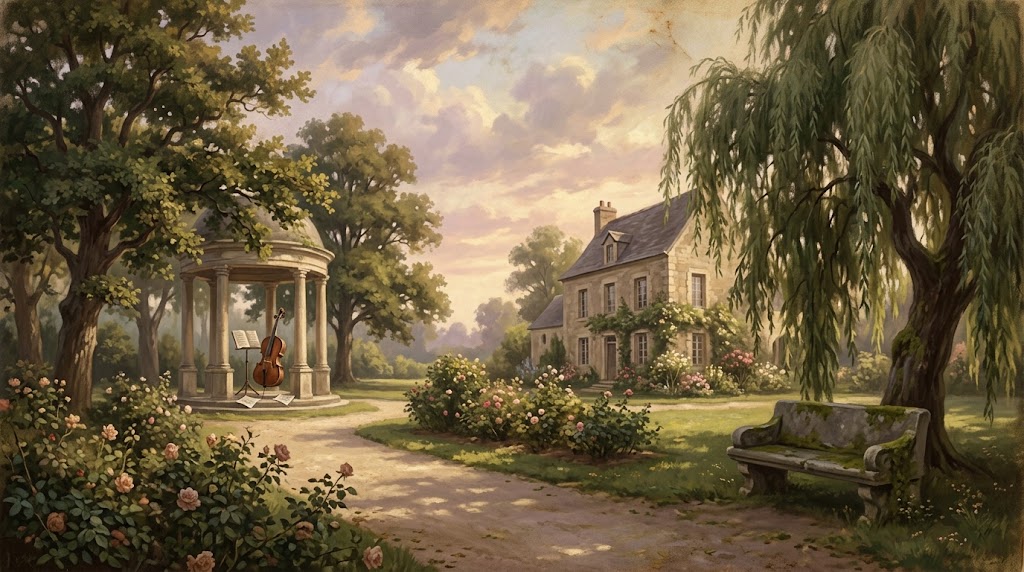
Perhaps that is why certain melodies remain in our hearts for so long. They become connected not only to the music itself, but to the people, places, and moments we associate with it.
Gabriel Fauré's Après un rêve (After a Dream) offers a beautiful place to explore this connection between music, memory, and the passing of time.
Fauré's Après un rêve
Written in 1877, Après un rêve is one of Gabriel Fauré's best-known mélodies, originally written for voice and piano.
Its text, adapted by French poet Romain Bussine from an anonymous Italian poem, describes a beautiful dream that carries the dreamer away from ordinary life—until the dream ends, leaving a longing for what has disappeared.
Fauré captures that fragile feeling through a melody that seems to float between dream and awakening. Its flowing accompaniment and expressive vocal line create a sense of longing, as though reaching for something just beyond our grasp. Like a dream itself, the music feels vivid for a moment before slowly fading away.
Perhaps that is why Après un rêve can speak to us even if we have never experienced the poem's story.
Most of us know what it means to remember something beautiful we cannot return to—a childhood home, a familiar voice, or a season of life that has passed. Sometimes, music becomes a place where those memories remain, bringing the past close for a moment.
Yet memories can carry both joy and longing. They may remind us of people we miss, places we can no longer return to, or seasons we wish had lasted a little longer.
Remembering God's Faithfulness
That is where faith gives us something music alone cannot give. The Bible calls us to remember not simply because the past matters, but because remembering God's faithfulness can give us courage and hope for the present.
"I will remember the deeds of the Lord; yes, I will remember your miracles of long ago." — Psalm 77:11
Remembering is more than looking backward. When we remember how God has carried us before, we are reminded that His presence has never been limited to one season of our lives.
The moments themselves may have passed, but God has not. His faithfulness is not confined to a particular season of life. As we look back, we may remember joys, losses, and experiences that helped shape us. Yet beyond those memories stands the God who was present through them all.
Music cannot bring the past back, but it can give us an opportunity to pause and thank Him for His faithfulness along the way. So when a familiar melody brings back a memory, let it remind you of God's faithfulness. The music may fade, but His presence endures through every season of life.
Read previous: Franz Schubert’s “Der Wanderer” — Walking with God