Why Music is a Superpower for Early Childhood Development
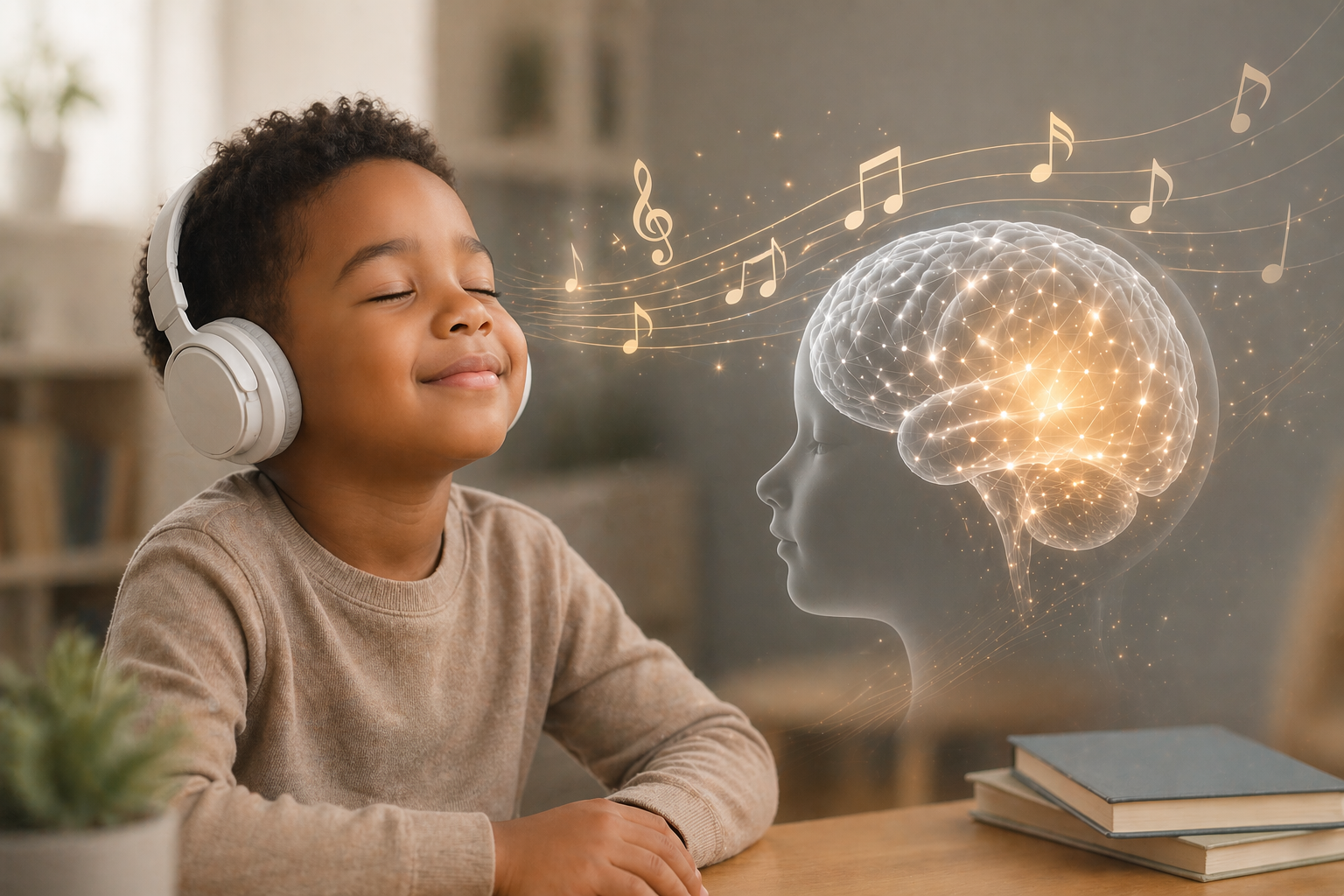
Music is one of the most natural ways young children experience the world. Even before they can speak, babies respond to sound. A lullaby can calm them. A simple song can make them smile.
The Earlier, the Better
Being exposed to music as early as possible has lasting benefits. Children who grow up hearing and engaging with music tend to develop stronger listening skills, better memory, and a greater sensitivity to patterns. These abilities carry over into language, reading, and even problem-solving later on.
But beyond these practical benefits, music shapes something deeper. It helps children learn to express emotion, to pay attention, and to recognize beauty.
Music as a Gift
From a Christian perspective, music is more than just a helpful tool—it is a gift. Throughout Scripture, music is closely tied to worship, joy, and the expression of faith.
As Psalm 96:1 says, “Sing to the Lord a new song; sing to the Lord, all the earth.” This simple invitation reminds us that music is something we are created to offer—freely and joyfully.
When children are introduced to music early, they are not only developing skills. They are also being invited into a language of praise. Even simple songs can become moments of gratitude, quietly shaping their hearts over time.
More Than Just Learning Notes
Music in early childhood isn’t about producing skilled performers. It’s about forming attentive and expressive individuals.
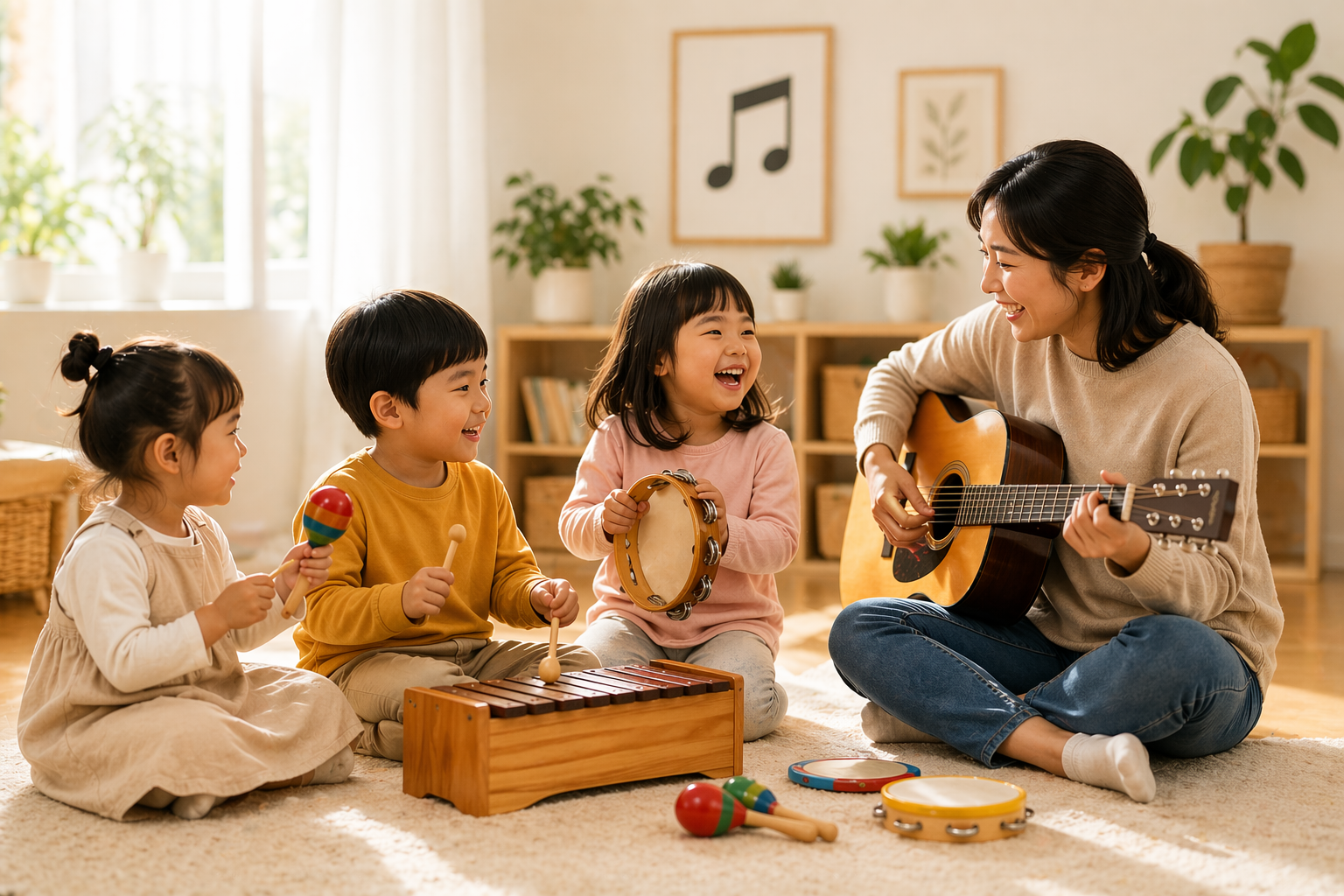
Simple activities—singing, clapping, or exploring sounds—can:
- Build confidence
- Encourage creativity
- Strengthen focus and patience
- Develop a more sensitive ear
Over time, children begin to hear more carefully—to notice tone, balance, and expression. This kind of listening goes beyond music and shapes how they experience the world.
A Foundation for Lifelong Worship and Appreciation
Children who grow up with music don’t just learn it—they learn to love it.
And in a Christian context, that love can grow into something deeper: a natural connection to worship. Through hymns, songs, or simple playing, music becomes a meaningful way to respond with faith and gratitude.
Even if they don’t become musicians, they carry with them the ability to listen, to appreciate beauty, and to respond with a thoughtful heart.
Looking Ahead
In the next post, we’ll look at simple and practical ways to bring music into everyday life—at home, in small moments, and without pressure.
Previously: [When Jazz Meets Hymns: Where Faith and Freedom Come Together]