When Jazz Meets Hymns: Where Faith and Freedom Come Together
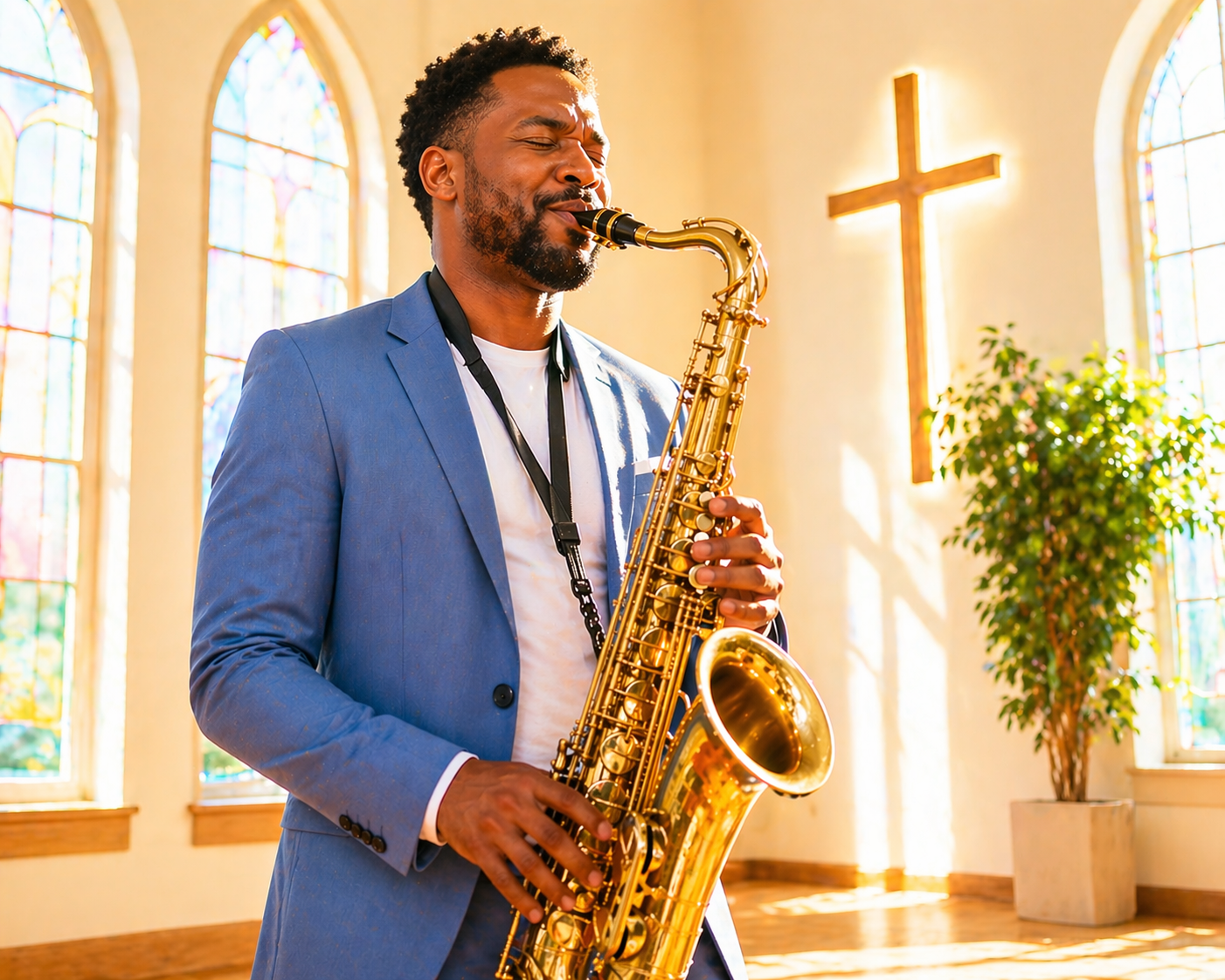
At first glance, jazz and hymns might seem like complete opposites. Jazz feels expressive, flexible, and full of improvisation, while hymns are structured, steady, and rooted in tradition.
But when these two worlds meet, something beautiful happens. Familiar hymn melodies begin to take on new color. Harmonies grow richer. And somehow, songs we’ve heard for years start speaking to us in a deeper, more personal way.
The Shared Roots of Jazz and Hymns
Jazz, born in the early 20th century from African American spirituals and the blues, is music shaped by freedom and expression. Hymns, on the other hand, were written for worship—grounded in faith and community.
Even though they sound different on the surface, they share something important beneath it all: a spiritual foundation.
Many jazz traditions are deeply connected to gospel and spirituals—music born out of faith, struggle, and hope. Hymns carry those same themes, often through simple melodies paired with meaningful lyrics.
Because of this shared “DNA,” blending jazz and hymns doesn’t feel forced—it feels natural.
Why Hymns Work So Well in Jazz Arrangements
Not every piece of music adapts easily to jazz—but hymns often do.
1. Strong, Memorable Melodies
Hymns were written for congregational singing, so their melodies are simple, clear, and easy to remember.
That simplicity gives jazz musicians the freedom to reinterpret them in creative ways without losing the identity of the song.
2. Flexible Harmony
At first, hymn harmonies may seem straightforward. But underneath, they offer a solid foundation for richer jazz chords, reharmonization, and expressive voicings.
3. Emotional and Spiritual Depth
Hymns aren’t just music—they carry meaning. When combined with jazz, that meaning can become more personal, more expressive, and sometimes even more powerful.
Where Faith Meets Freedom
The structure of the hymn provides stability—a place to return to. Jazz, on the other hand, opens the door to exploration, spontaneity, and individuality.
Together, they create a space where tradition and creativity don’t compete—they support each other.
Previously: [Colorful Hymns: Practical Piano Tips for Smarter Practice]