Why This Moment Works: Elgar — Nimrod
There is a paradox at the heart of Nimrod: the less it does, the more it says. Its power comes not from display, but from restraint.
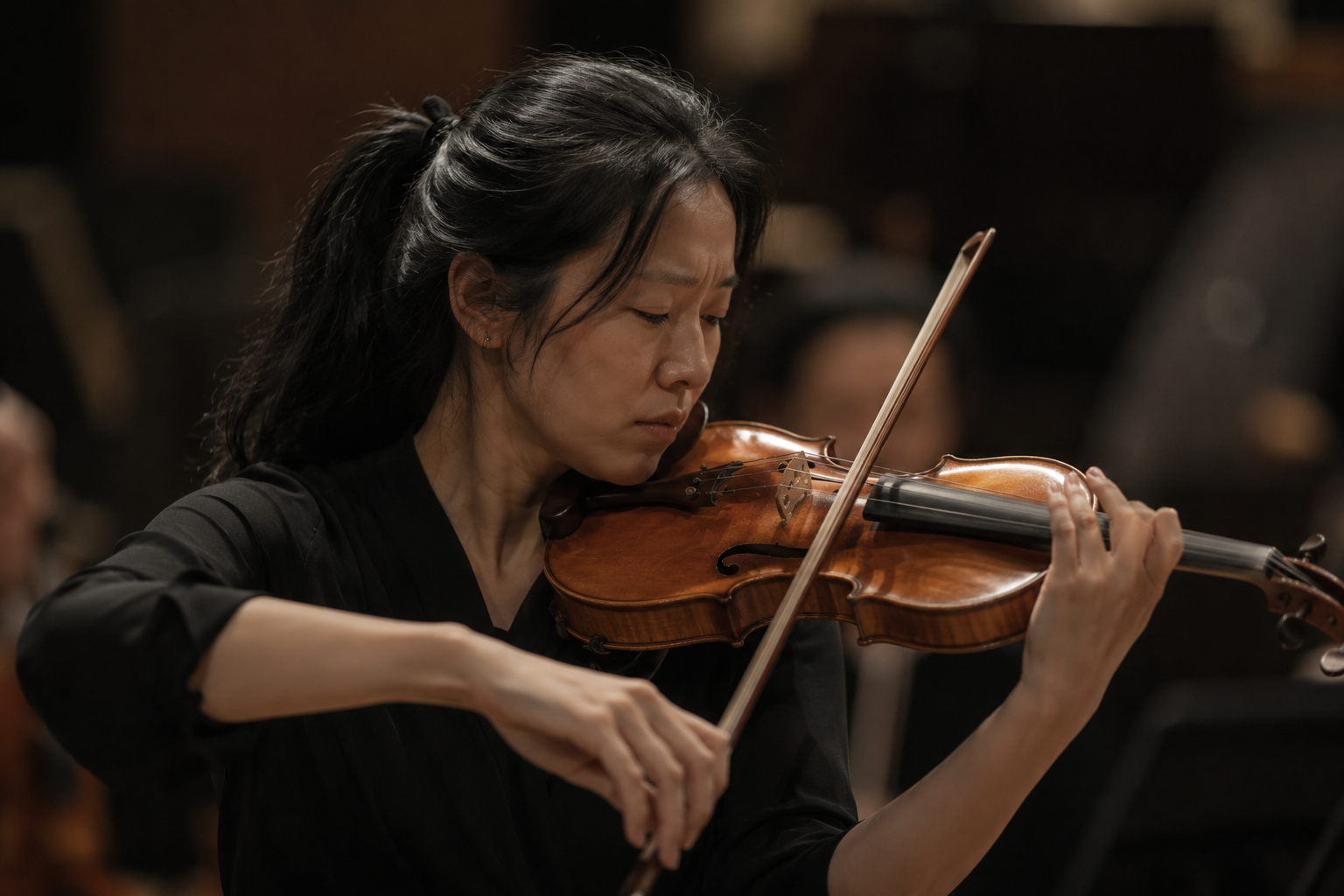
No virtuosic flourishes or dazzling runs—just a melody in small, measured steps, gently rising and falling without demanding attention. Yet in orchestral performance, its quiet simplicity becomes unexpectedly moving, speaking softly yet reaching deeply.
Edward Elgar wrote Nimrod in 1899 as part of his Enigma Variations, a musical portrait of his close friend Augustus Jaeger. At a difficult point in Elgar's life, Jaeger encouraged him not to give up composing.
The title Nimrod comes from the biblical hunter Nimrod, and also contains a private joke: “Jaeger” means “hunter” in German.
The opening melody rises slowly, pauses, and rises again, beginning almost as a whisper in the strings. One by one, woodwinds, brass, and finally the full orchestra enter, while the notes themselves remain simple; what changes is their weight.
The Quiet Power of Nimrod
Its power lies not in complexity, but in accumulation, as each phrase adds warmth and depth until the music becomes quietly overwhelming without ever turning dramatic.
Perhaps that is why Nimrod is so often heard at memorial and remembrance ceremonies. The music does not tell listeners what to feel. Instead, it creates space for memory, gratitude, sorrow, and hope. Rather than drawing attention to itself, it accompanies whatever the listener brings to it.
After reaching its emotional peak, the music slowly fades away. There is no triumphant ending and no dramatic final statement. The feeling simply lingers. It does not resolve everything, but leaves something behind.
Finding Hope in Sorrow
“Weeping may stay for the night, but rejoicing comes in the morning.” — Psalm 30:5
The music of Nimrod does not erase sorrow, but it reminds us that sorrow is not the end. Like the quiet hope in this verse, its beauty leaves room for both grief and the possibility of joy.
The music’s quietness makes this hope feel especially fitting. Even when an experience does not end with a clear resolution, there can still be room for hope.
Nimrod reminds us that the most profound musical statements are not always the loudest. Its message remains timeless: beauty does not always require complexity, and sometimes the quietest voice carries the greatest weight.
You can explore Elgar’s complete Enigma Variations here. (affiliate link)
Read previous: Why This Moment Works: Wagner — Tristan und Isolde (Prelude)