Why This Moment Works: Tchaikovsky — Symphony No. 6 (Pathétique)
Some endings in music feel like arrival. They resolve tension, lift the listener upward, and close with a sense of triumph.
But Tchaikovsky’s Symphony No. 6 (Pathétique, French for “emotional” or “sorrowful”) moves in a very different direction. It suggests that not every journey ends in victory—some end in fading.
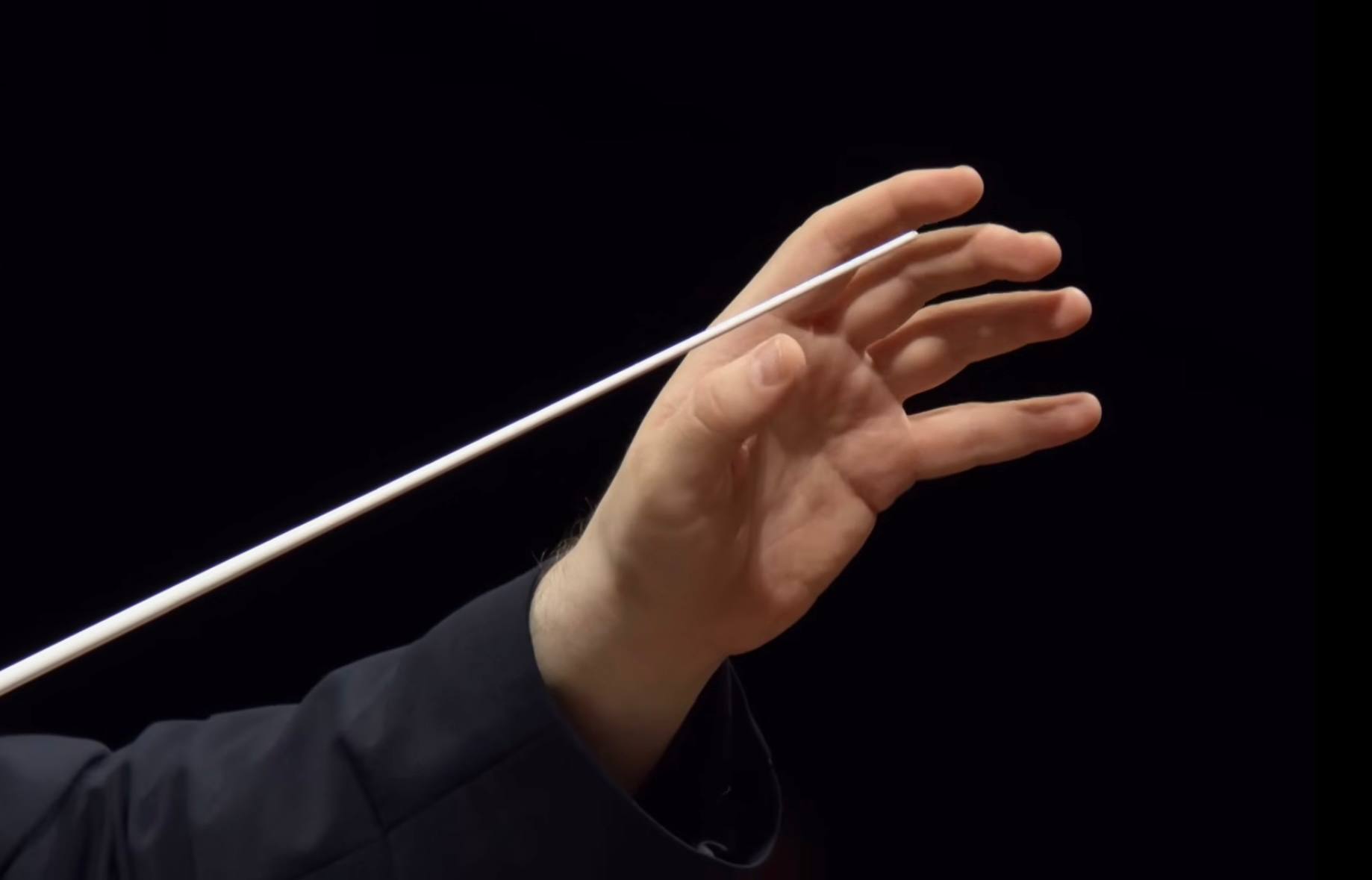 The Silence After the Final Note
Across the symphony, a quiet emotional weight persists, shifting in form rather than remaining the same, and it never feels fully resolved in a conventional sense.
The music does not rush toward resolution, but carries something fragile forward without fully releasing it. Over time, its energy fades—phrases become more diffuse and less defined, and the ending settles into a gradual fading into silence.
In the video above, notice the final moment. Even after all sound fades, the silence that follows still feels like part of the music.
From a Christian perspective, this ending can feel surprisingly familiar. Much of faith involves walking through seasons of silence—trusting when answers are not clear and waiting when resolution has not yet arrived.
What makes the Pathétique unforgettable is not resolution, but disappearance. It does not end with a declaration, but slowly withdraws, as if stepping out of reach.
In this fading, it leaves behind something deeply human—the sense that not all endings are meant to be loud or victorious, and that silence can linger longer than triumph.
Read previous: Why This Moment Works: Rachmaninoff — Piano Concerto No. 2 (2nd Movement)