Behind the Song: How Gospel Artists Can Share the Testimony Behind Their Music
When a Song Carries a Story
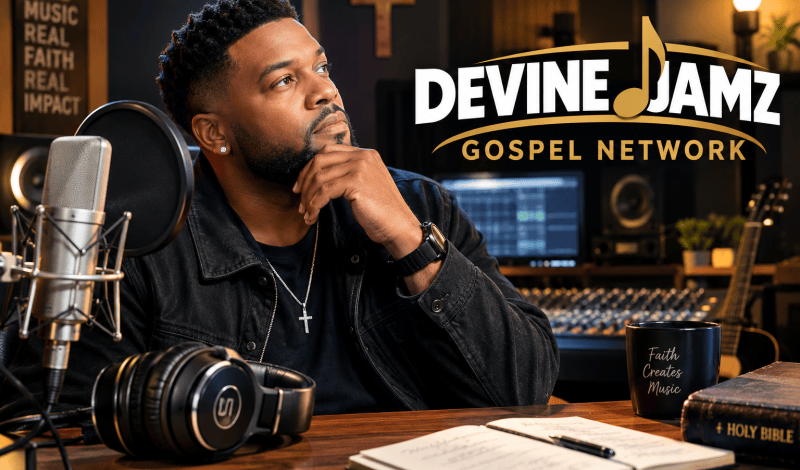
Every gospel artist has a story. Sometimes that story comes from a season of joy, while other times it grows out of disappointment, loss, spiritual renewal, or a battle that seemed impossible to overcome. Behind the Song gives artists an opportunity to connect the music with the real-life testimony that helped bring it to life.
Instead of conducting another interview that simply asks about an artist’s career, this approach goes deeper. It asks what happened before the song existed. What was the artist experiencing? What did God reveal during that season? Most importantly, how did that experience shape the message listeners now hear?
For gospel artists, that personal connection can make a powerful difference. People may discover a song because they like the sound, but they often remember it because the message speaks to something they have experienced themselves.
Start With the Valley, Not Just the Victory
A compelling interview does not always begin with the artist’s greatest accomplishment. Sometimes the strongest opening comes from the valley that preceded the breakthrough.
For example, an artist might explain how grief, uncertainty, family circumstances, financial pressure, rejection, or a spiritual struggle influenced a particular song. That vulnerability gives the audience context before they ever hear the complete testimony.
For a 12 to 18-minute interview, consider opening with a powerful 10 to 15-second statement. Let the artist describe the moment when everything seemed to be falling apart or when they experienced a significant breakthrough. Then introduce the song connected to that testimony.
From there, let the conversation breathe. A good interviewer does not have to rush from one question to another. Give the artist room to remember, reflect, and explain.
Suggested Opening Questions
• What season of life were you walking through when this song began?
• What was happening around you before you started writing?
• Was there something you were praying about repeatedly?
• Did you understand the purpose of the song when you first wrote it?
• What did God teach you during that season?
Behind the Song: Finding the Moment That Started the Music
Once the audience understands the season, move toward the catalyst.
Ask the artist to identify the moment when the song began taking shape. Perhaps a lyric came during prayer. Maybe a melody appeared while driving home. The idea could have surfaced during a late-night writing session or after an emotional conversation.
These details matter because they turn an abstract songwriting story into something listeners can picture.
Rather than asking only, “How did you write the song?” try asking questions that encourage specific memories. The goal is to uncover the little details that make the testimony feel authentic.

Protect the Story Behind Your Music
Sharing a testimony can create meaningful opportunities, but artists should also remember that their story has value.
Before participating in an interview, understand who will publish it, where it will appear, how the content may be used, and whether any fees or promotional commitments are involved. A professional opportunity should come with clear expectations and enough information for you to make an informed decision.
Artists should also take time to research unfamiliar media outlets, promotional companies, interview programs, and music-industry services before participating. Look for transparent information about the organization and its services.
Most importantly, do not allow anyone to pressure you into sharing something deeply personal simply because they believe it will make better content. Your testimony belongs to you, and you should decide what you are comfortable sharing publicly.
The Breakthrough: Where the Song Finally Takes Shape
After exploring the struggle, guide the conversation toward the breakthrough.
Ask the artist when the lyrics or melody finally came together. Was it during worship? Did a particular Scripture inspire the song? Did something happen that suddenly changed the artist’s perspective?
Then go one level deeper.
Ask the artist to explain one or two lyrics that carry the greatest personal meaning. Those lines may become the emotional center of the interview.
For instance, instead of simply saying, “This song is about trusting God,” an artist can explain what trusting God actually looked like during that season. That distinction helps listeners understand the message on a much more personal level.
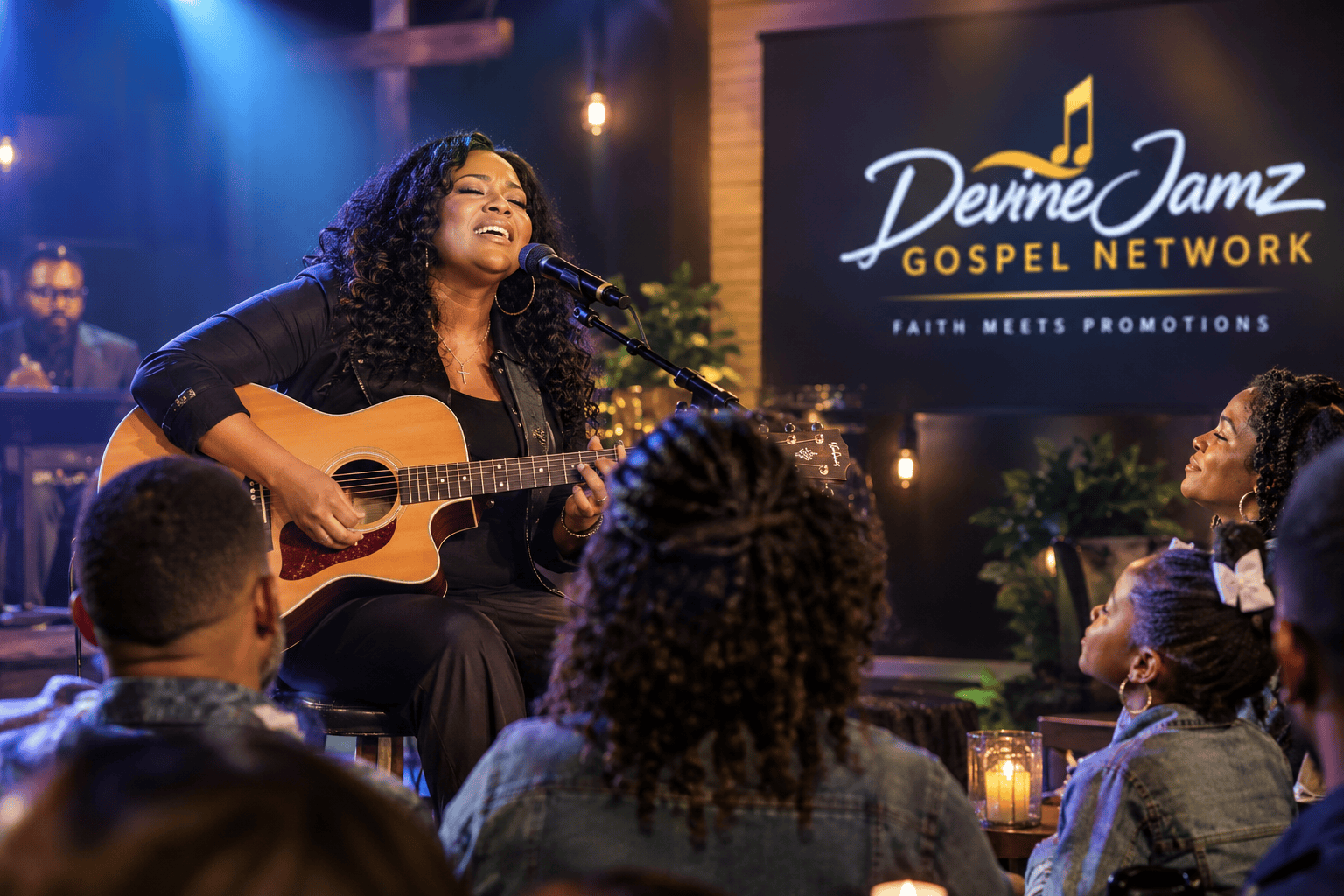
This is also an excellent place for a short musical moment. The artist might sing the chorus acoustically, perform a verse, or explain how the vocal delivery reflects the emotion behind the lyrics.
Behind the Song: Connect the Testimony to the Ministry
A gospel song does more than tell an artist’s story. It can become a source of encouragement for someone listening at the right moment.
Ask the artist how listeners have responded to the song. Has someone shared a testimony? Did a listener explain that the lyrics helped them through a difficult season? Has the song changed the artist personally?
Those answers can reveal the ministry impact behind the recording.
Artists can also connect this conversation with their broader content strategy. For example, Devine Jamz Gospel Network’s Behind The Music content can provide another pathway for audiences who want to learn more about the people, experiences, and creative decisions behind Christian and Gospel music.
Keep Your Testimony Authentic
Artists should never feel pressured to manufacture a dramatic story simply because they believe audiences expect one.
Your testimony does not have to sound like somebody else’s testimony.
Maybe your song came from a quiet season of prayer. Maybe you wrote it after experiencing an unexpected blessing. Perhaps the song developed slowly over several years. All of those stories can be meaningful.
Authenticity matters because listeners can often recognize when an artist is speaking from genuine experience. Therefore, tell the truth of the song. Do not exaggerate the struggle, create controversy, or reshape your testimony just to make a stronger promotional headline.
The goal is not to create drama. The goal is to communicate the message honestly.
Three Questions Every Gospel Artist Should Be Ready to Answer
Before an interview, spend time thinking about these three questions:
1. What season of life were you walking through when the first words came to you?
This establishes the emotional and spiritual setting.
2. Which lyric carries the most personal meaning for you?
This helps the interviewer discover the heart of the song.
3. What do you hope someone experiencing a similar struggle receives from this music?
This shifts the conversation from your experience to the listener’s need.
Write your answers down before the interview. You do not need to memorize them word for word. Instead, use your notes to remember important details that you do not want to leave out.
Turn One Interview Into Several Pieces of Content
One interview can become much more than a single video.
After recording the full conversation, identify the strongest moments and turn them into short-form content. This gives the testimony additional opportunities to reach people across social platforms.
Clip 1: The Testimony
Create a 30 to 45-second clip featuring the artist describing the central struggle that influenced the song.
Choose a moment with emotional weight. The clip should make viewers curious enough to watch the complete interview.
Clip 2: The Spiritual Insight
Pull a 20 to 30-second section in which the artist shares a message of hope, faith, perseverance, or encouragement.
This clip can stand alone because its purpose is to minister to the viewer, not simply promote the song.
Clip 3: The Musical Peak
Feature the artist performing the chorus or another memorable section of the song. Add on-screen text explaining the story behind that moment.
This combination gives viewers three reasons to stop scrolling: the testimony, the message, and the music.
Make the Interview Easy to Find
Great content still needs a clear path for discovery.
Artists should use descriptive titles, relevant keywords, strong thumbnails, and accurate descriptions. Include the song title, artist name, and the central testimony when appropriate.
You can also connect the interview to related educational resources. Devine Jamz Gospel Network’s Artist Development content can help artists think beyond one release and develop a more intentional approach to their music careers.
Likewise, link the interview to the artist’s streaming platforms, website, social profiles, and other relevant content. Give viewers an easy next step rather than leaving them wondering where to go.
For another related resource, artists can explore Devine Jamz Gospel Network’s National Radio Airplay content to learn more about strategic music promotion and radio exposure.
A Simple 12 to 18-Minute Interview Blueprint
Here is a practical structure artists and interviewers can use:
0:00 to 1:00 | The Hook
- Open with a powerful testimony soundbite.
- Introduce the song.
- Introduce the artist.
- Preview a short portion of the chorus.
1:00 to 5:00 | The Valley
- Explore what was happening before the song.
- Discuss the emotional and spiritual tension.
- Allow the artist to describe the circumstances honestly.
5:00 to 9:00 | The Breakthrough
- Discover when the lyrics or melody emerged.
- Discuss important lyrics.
- Explain the inspiration behind the musical direction.
9:00 to 12:00 | The Ministry Impact
- Discuss listener responses.
- Share a testimony when appropriate.
- Include a short acoustic or live performance.
12:00 to 18:00 | The Encouragement
- Let the artist speak directly to people facing similar circumstances.
- Give viewers a clear way to hear the song.
- Encourage viewers to follow the artist.
- Invite them to explore Devine Jamz Gospel Network.
Let the Song Tell the Story
The strongest interviews do not feel like advertisements. They feel like conversations.
The real strength of this approach is that the artist is not simply explaining a recording. They are inviting listeners into the season of life that shaped the music.
For gospel artists, that opportunity can be especially meaningful. A song that once helped you through a difficult season may become the encouragement someone else needs today.
So before your next interview, do more than prepare facts about your release. Remember the prayer, the struggle, the Scripture, the breakthrough, and the moment when the song finally came together.
Then tell that story.
Your music may introduce people to your voice, but your testimony can help them understand your message.
Disclaimer & Transparency Notice
This publication may contain affiliate links. Devine Jamz Gospel Network may earn a commission if you purchase products or services through links referenced in this publication at no additional cost to you. This publication was created with the assistance of Artificial Intelligence (AI) technology.
While reasonable efforts have been made to review and edit the content, AI-generated information may contain inaccuracies, omissions, outdated information, or interpretations that are not entirely accurate. Readers are encouraged to independently verify all facts, statistics, references, research findings, and claims before making decisions based upon this content.
The views and opinions expressed are solely those of Devine Jamz Gospel Network and are provided for educational, informational, and research purposes only.