Music & Painting (Part 3): Baroque Light, Contrast, and Ornament
The Baroque era embraced drama. Through movement, contrast, and rich detail, artists and musicians created works filled with emotion, tension, and transformation.
One of the defining features of Baroque painting is chiaroscuro—the use of strong contrasts between light and shadow. Light guides the viewer's attention, while darkness adds depth and intensity, making important moments stand out with greater force.
Baroque Painting: Light and Drama
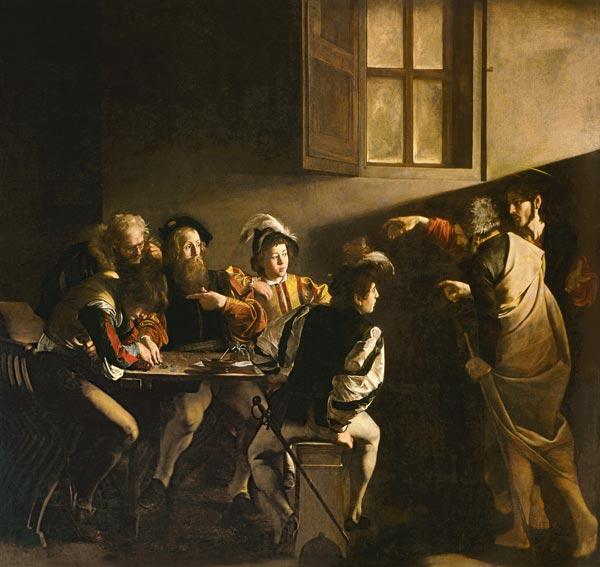 The Calling of Saint Matthew — Caravaggio, c. 1599–1600
Caravaggio's The Calling of Saint Matthew is a striking example of Baroque chiaroscuro. A beam of light falls upon Matthew at the moment Christ calls him to follow. The contrast between darkness and light creates a sense of urgency and wonder, drawing the viewer into this moment of calling.
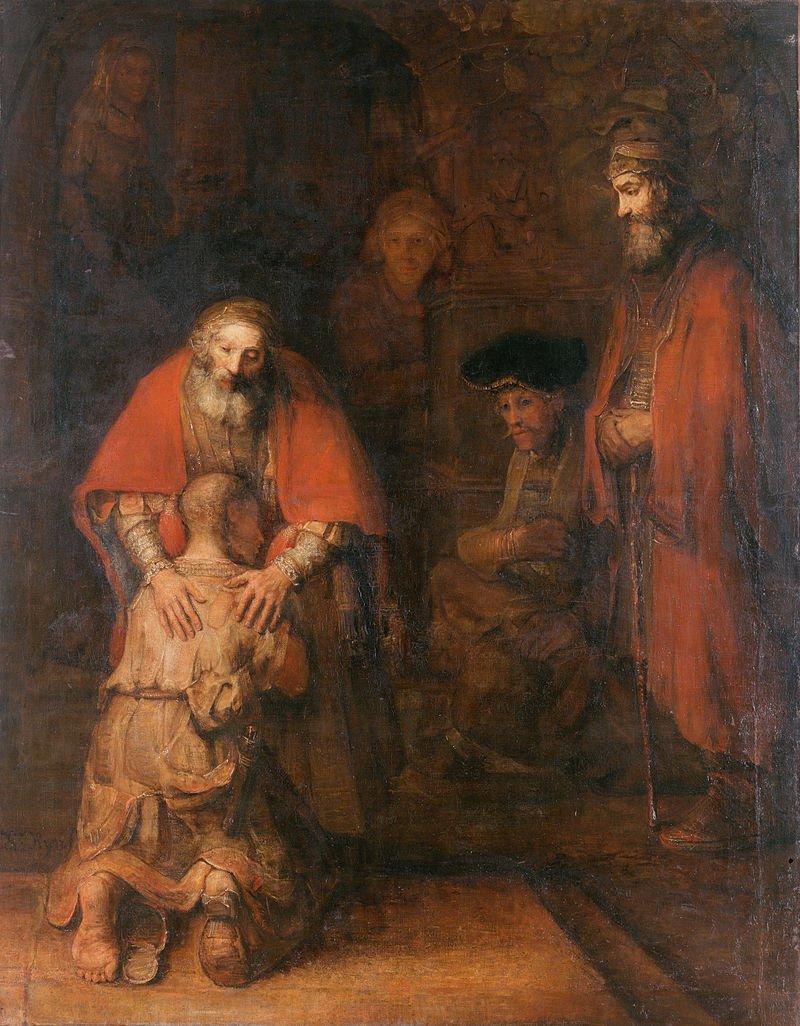 The Return of the Prodigal Son — Rembrandt, c. 1668–1669
Rembrandt's The Return of the Prodigal Son uses light in a quieter but equally moving way. The father's embrace is gently illuminated while much of the surrounding scene remains in shadow. The soft light draws attention to the themes of mercy, forgiveness, and restoration at the heart of the painting, quietly directing our attention to an act of grace.
Hearing Contrast in Baroque Music
The same use of contrast shaped Baroque music. Composers created drama through changes in texture, dynamics, and intensity. Ornamentation added expression, while counterpoint brought multiple musical lines together.
One of the most famous examples is J. S. Bach's Toccata and Fugue in D Minor, BWV 565. Its striking opening immediately captures attention, much like a dramatic beam of light in a Baroque painting. Powerful moments alternate with intricate passages, creating a constant sense of movement and contrast.
Just as Baroque painters used light and shadow to shape a visual story, Bach used musical contrasts to create tension and direction. Individual musical lines weave together, revealing a sense of order within complexity.
Light as a Spiritual Image
The recurring theme of light emerging from darkness appears throughout Scripture as well as Baroque art.
"For God, who said, 'Let light shine out of darkness,' made his light shine in our hearts..." (2 Corinthians 4:6)
For many Baroque artists, contrast was more than a visual technique. Light and shadow pointed toward deeper themes of revelation, grace, hope, and redemption. Light becomes meaningful because it enters darkness, just as grace becomes precious because it reaches us where we are.
Through painting and music, Baroque artists remind us that beauty often emerges through contrast. Light becomes more visible beside shadow, and moments of joy often shine more brightly after seasons of darkness.
Related: Music & Architecture (Part 3): Baroque Architecture and Musical Ornamentation