The Mathematics of Music: William Byrd’s Ave verum corpus and the Beauty of Harmony
In the Renaissance, proportion was not simply about numbers. It was about relationships—how different parts could come together to create balance, harmony, and beauty. This idea can be seen not only in architecture, but also in music.
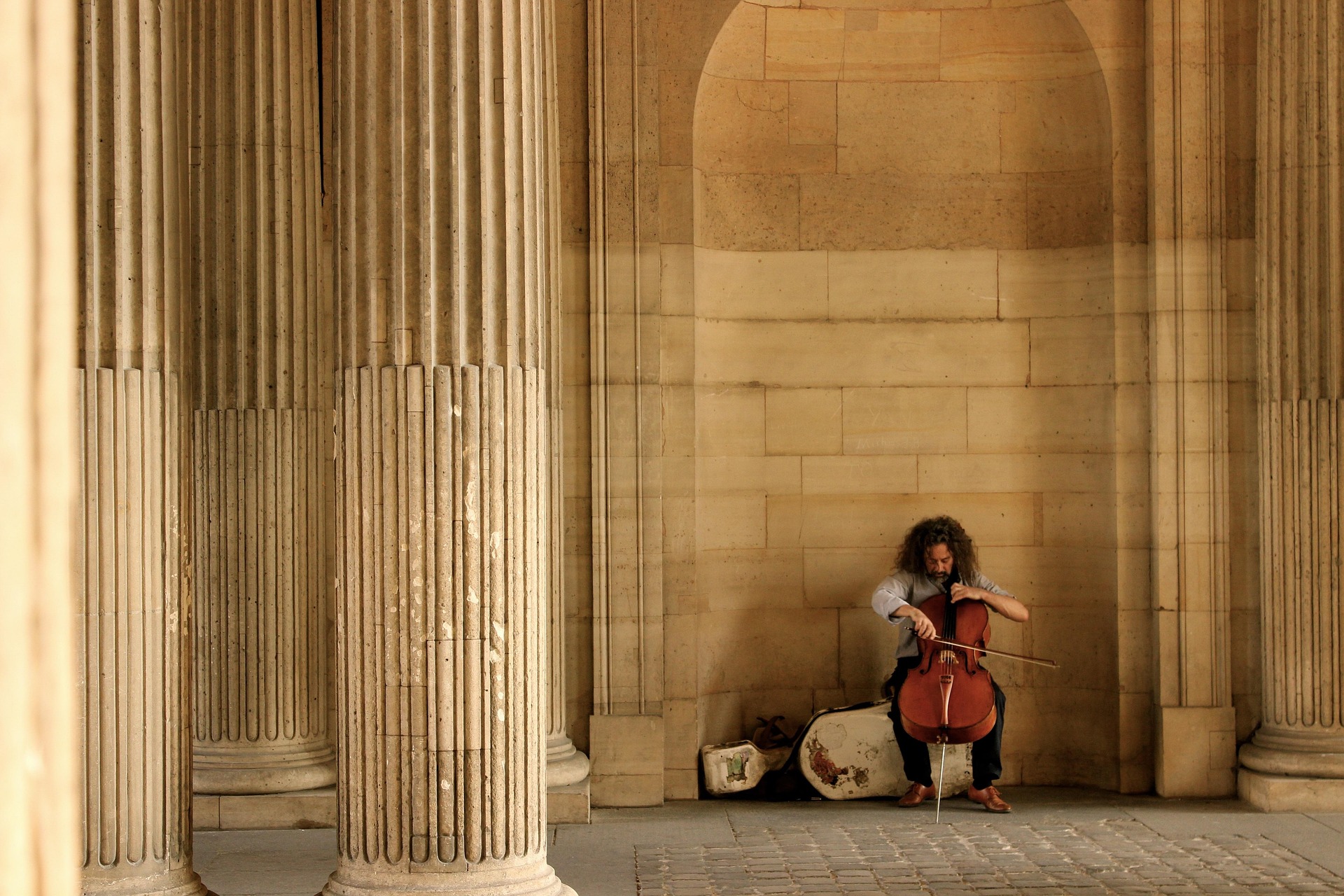 Image by seoungsuk ham from Pixabay
When Proportion Becomes Harmony
Imagine walking through a Renaissance villa. The height of a room relates to its width, and each space seems to flow naturally into the next. Even without knowing the measurements, we can sense a kind of balance.
One way to picture this is as a kind of “frozen symphony”—a space where proportion and balance shape the experience of each room.
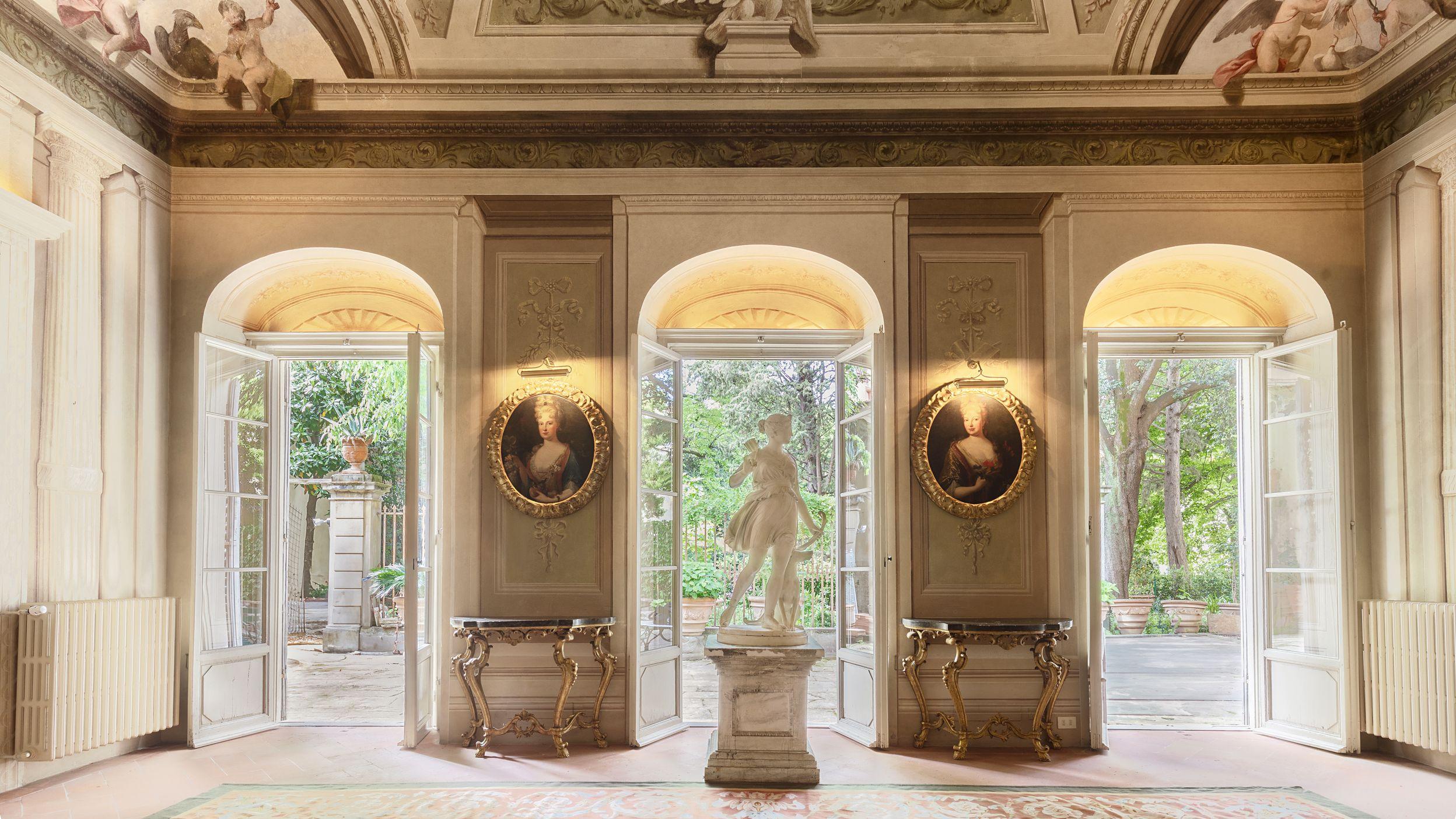 Renaissance architecture characterized by balance, proportion, and harmony
Music finds harmony through relationships between sounds, while architecture creates it through relationships between spaces. In both, proportion becomes something we can experience rather than simply calculate.
Hearing Harmony in Byrd’s Music
The same idea can be heard in Renaissance choral music. Late Renaissance composer William Byrd’s Ave verum corpus is a beautiful example. Several voices move gently alongside one another, each with its own musical line, yet continually responding to and supporting the others.
The individual voices remain distinct, but together they create a unified whole. Moments of tension and release, movement and rest, all contribute to the sense of harmony.
This is where proportion begins to feel less like mathematics and more like music. We do not hear a ratio. We hear harmony.
More Than Numbers
When we study the mathematics of music, it is easy to focus on measurements, ratios, and patterns. These can help us understand how music is constructed, but they are not the final goal.
A proportion on paper is not beauty by itself. In architecture, proportion shapes a space we can experience; in music, relationships between notes become something we can hear and feel. The mathematics helps explain the structure, but the beauty comes alive in the experience.
Perhaps this is why music and architecture can point us toward something beyond themselves. We are drawn to order, balance, and beauty even when we cannot explain exactly why something feels right. A melody settles into harmony, a space feels balanced, and different parts come together as a whole.
“One thing have I asked of the Lord, that will I seek after: that I may dwell in the house of the Lord all the days of my life, to gaze upon the beauty of the Lord.” — Psalm 27:4
Music can point us beyond itself toward the Creator. When voices come together in harmony, or different parts of a space belong naturally together, we are reminded that order and beauty are woven into the world around us.
Through music and the beauty of creation, we can catch a glimpse of something greater than ourselves—and turn our hearts toward the One who created it.
Read previous: The Mathematics of Proportion: Josquin des Prez’s Ave Maria… Virgo serena and Renaissance Architecture