The Mathematics of Proportion: Josquin des Prez’s Ave Maria… Virgo serena and Renaissance Architecture
Some things simply feel balanced. A melody can rise and fall in a way that feels complete, just as a room can feel well-proportioned without us knowing its exact measurements.
During the Renaissance, musicians, artists, architects, and thinkers paid close attention to these relationships. They were interested in proportion—the way one part relates to another and how smaller parts contribute to a larger whole.
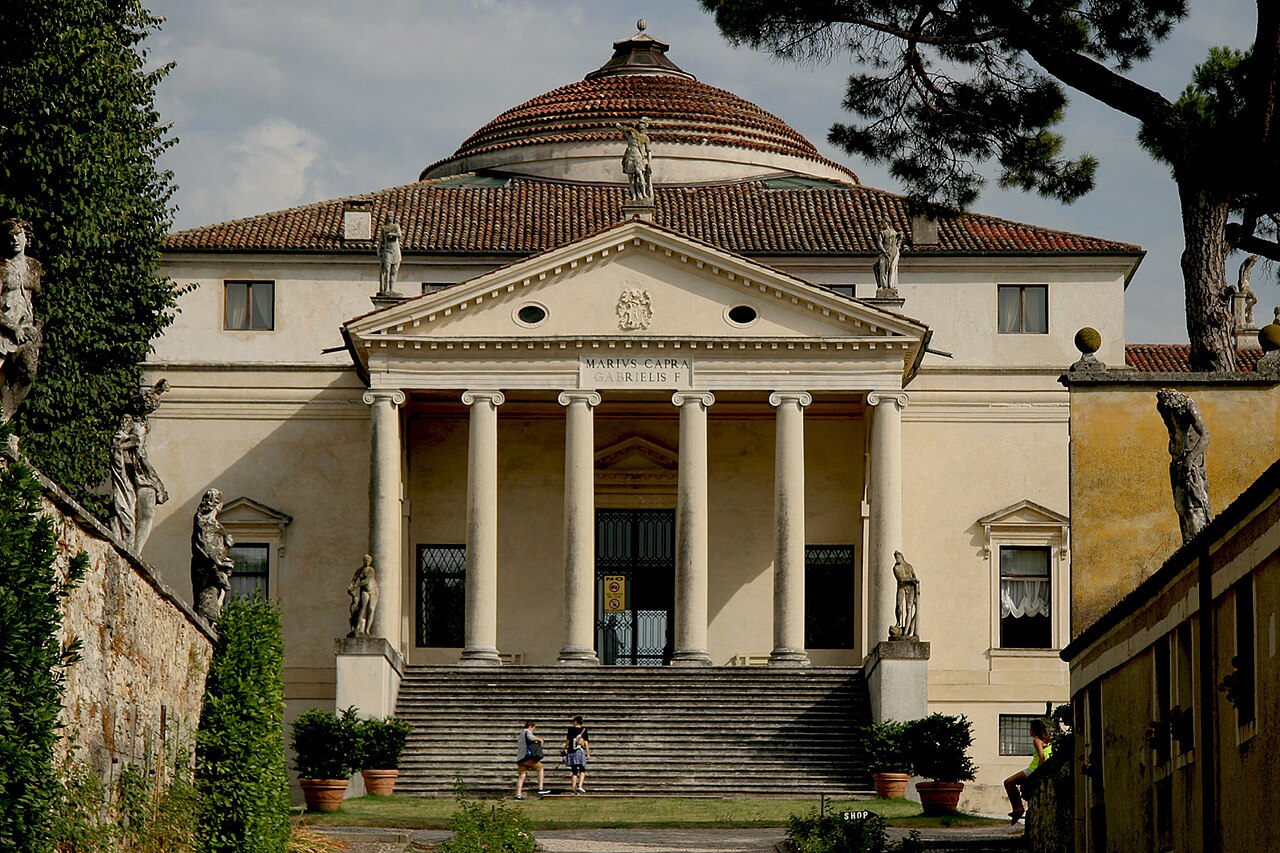 Villa Rotonda, designed by Andrea Palladio, near Vicenza, Italy. Photo by Quinok.
For them, proportion was more than a practical tool. It was also a way of thinking about harmony, order, and beauty.
Proportion in Renaissance Music
We have already seen how mathematical relationships can shape different aspects of music. But mathematics in music is not only about relationships between individual notes. It can also be found in the relationships between different musical lines and the way they work together as a whole.
Renaissance polyphony gives us a wonderful example. In Josquin des Prez’s Ave Maria… Virgo serena, several vocal lines move independently, entering at different moments and responding to one another. Each voice has its own character, yet together they form a unified musical whole.
As you listen, notice how the voices enter at different moments and interact with one another. They do not all do the same thing, yet the music remains connected.
That is one way to think about proportion. It does not mean that every part must be identical. Different parts can have different roles while still belonging to the same whole.
From Musical Proportion to Physical Space
This idea was not limited to music. Renaissance thinkers also explored proportion in painting, architecture, and other arts.
Andrea Palladio was one of the Renaissance architects who wrote extensively about architectural proportion. In I Quattro Libri dell’Architettura (The Four Books of Architecture), he described room proportions through relationships between dimensions.
Music offered a familiar example of how relationships between parts could create a sense of order, while architecture explored similar ideas through physical space. In both, these relationships shape the whole.
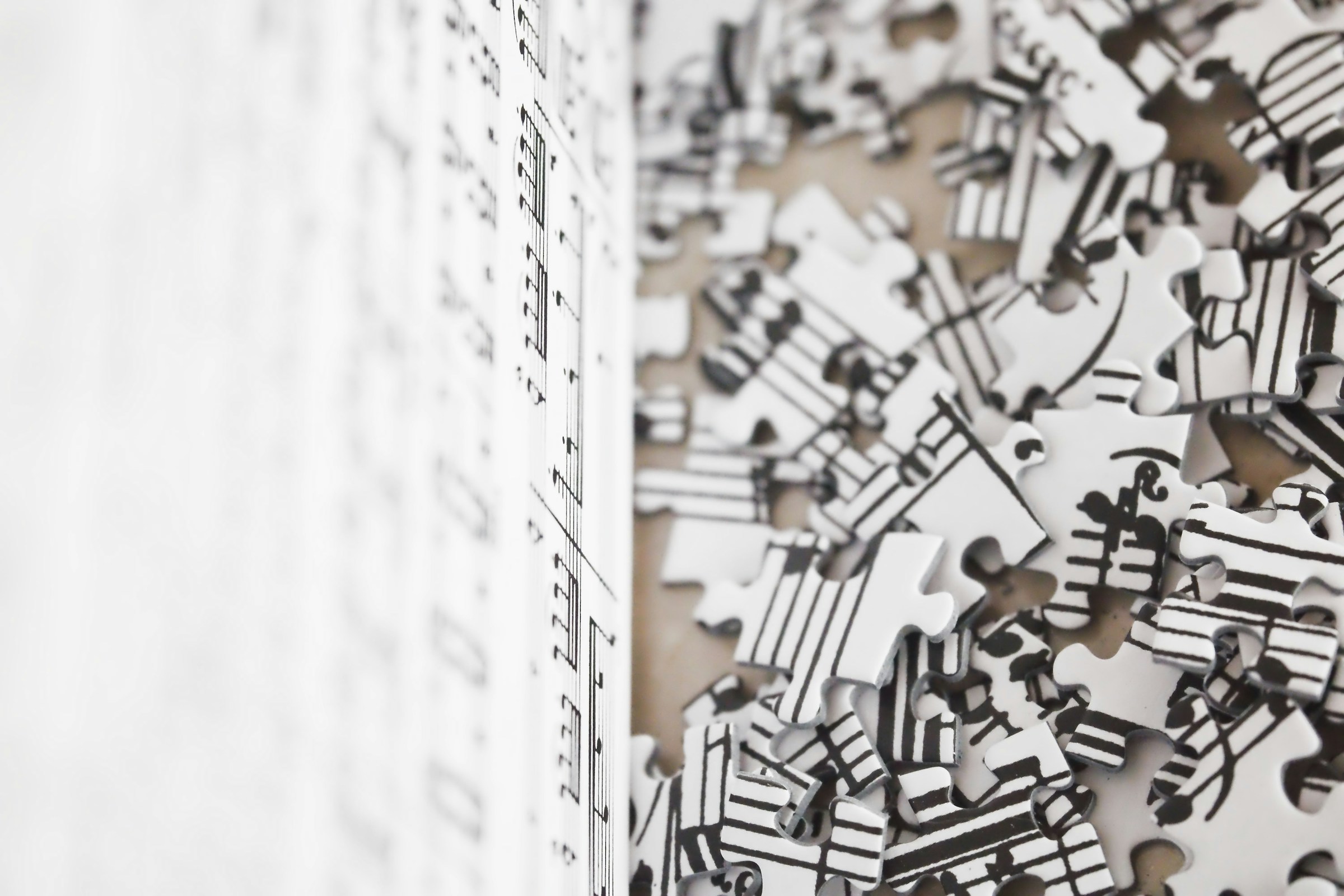 Photo by Danielle-Claude Bélanger
The connection between music and architecture, however, should not be overstated. Palladio did not simply translate musical intervals into architectural measurements. The more useful connection is simpler: both use relationships between parts to create a sense of unity.
When Proportion Becomes Beauty
This gives us another way to think about the mathematics of music. Mathematical relationships may look abstract on paper, but they take shape as sound in music and as dimensions in architecture. The mathematics does not replace the art; it simply helps us notice what is happening underneath it.
In Josquin’s music, different voices move independently yet still belong to one musical whole. The beauty comes from the way those voices relate to one another. Perhaps that is why proportion has mattered throughout the history of art: we notice individual parts, but we also respond to the way they belong together.
“For God is not a God of disorder but of peace.” — 1 Corinthians 14:33
Our own lives can feel that way, too. We do not always see how every part fits together. Some things may seem unfinished or out of place. Yet God sees the whole in a way we cannot.
Perhaps proportion gives us a small glimpse of that larger truth: beauty does not require every part to be identical. It can emerge from the way different parts are brought together within a greater whole.
Read previous: Why Can't a Piano Be Perfectly in Tune? Bach's Prelude in C-sharp Major, BWV 848