The Uncomfortable Truth Revealed by the Hillsong Controversy: What Are We Really Worshiping?
1. Why Did We Love This Worship?
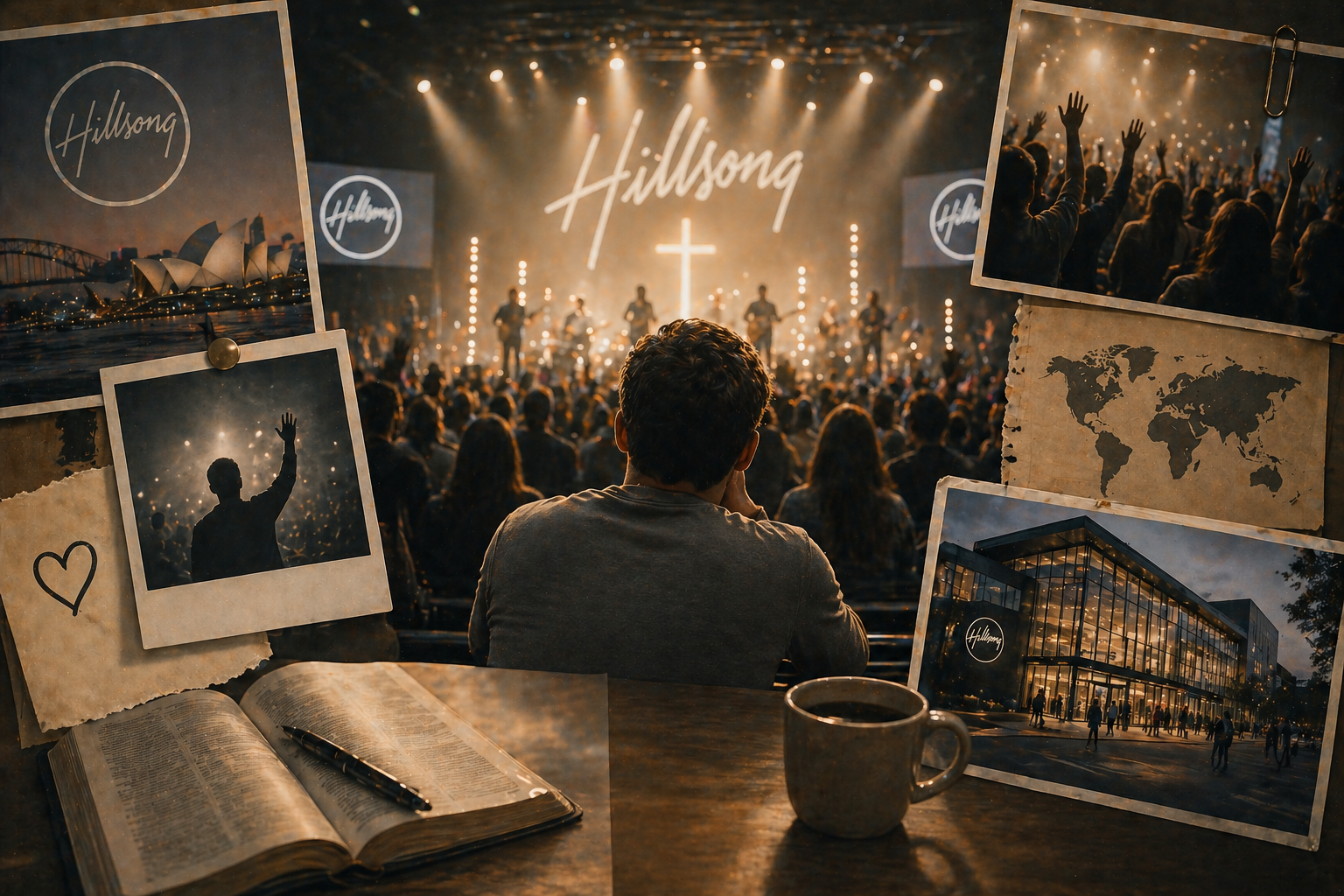
When we think back to the first time we encountered the worship of Hillsong Church, many of us share a similar memory. The melodies felt unfamiliar at first, yet quickly became easy to follow. The lyrics were simple, but the more they were repeated, the deeper they settled into our hearts. And at some point, almost without realizing it, we found ourselves fully immersed in the moment. There was something there, something beyond well produced music. It felt like a power that opened hearts and directed them toward God.
So we embraced it naturally. In fact, we may have even felt that this was more real than what we had known before. It was not rigid or formal. It felt alive. It was emotional. And above all, it gave us the sense that we were participating. It seemed like a recovery of something that had long been lost in worship.
Many people genuinely testify that through Hillsong’s music, they rediscovered their faith or felt closer to God. Those experiences were real. And that is precisely why this conversation must be handled carefully. It is too easy, and too shallow, to simply say, “It was wrong.”
The issue may not be that we loved something false. Rather, it may be that we embraced it so naturally, so deeply, that we gradually lost the ability to discern what was truly at the center.
2. Was It People Who Failed, or the System?
Over time, the narrative around Hillsong began to shift. At first, it seemed like the failure of a few individuals. Leadership scandals, moral failures, personal downfalls. But as similar incidents continued to surface, people began to ask deeper questions.
Why does this keep happening?
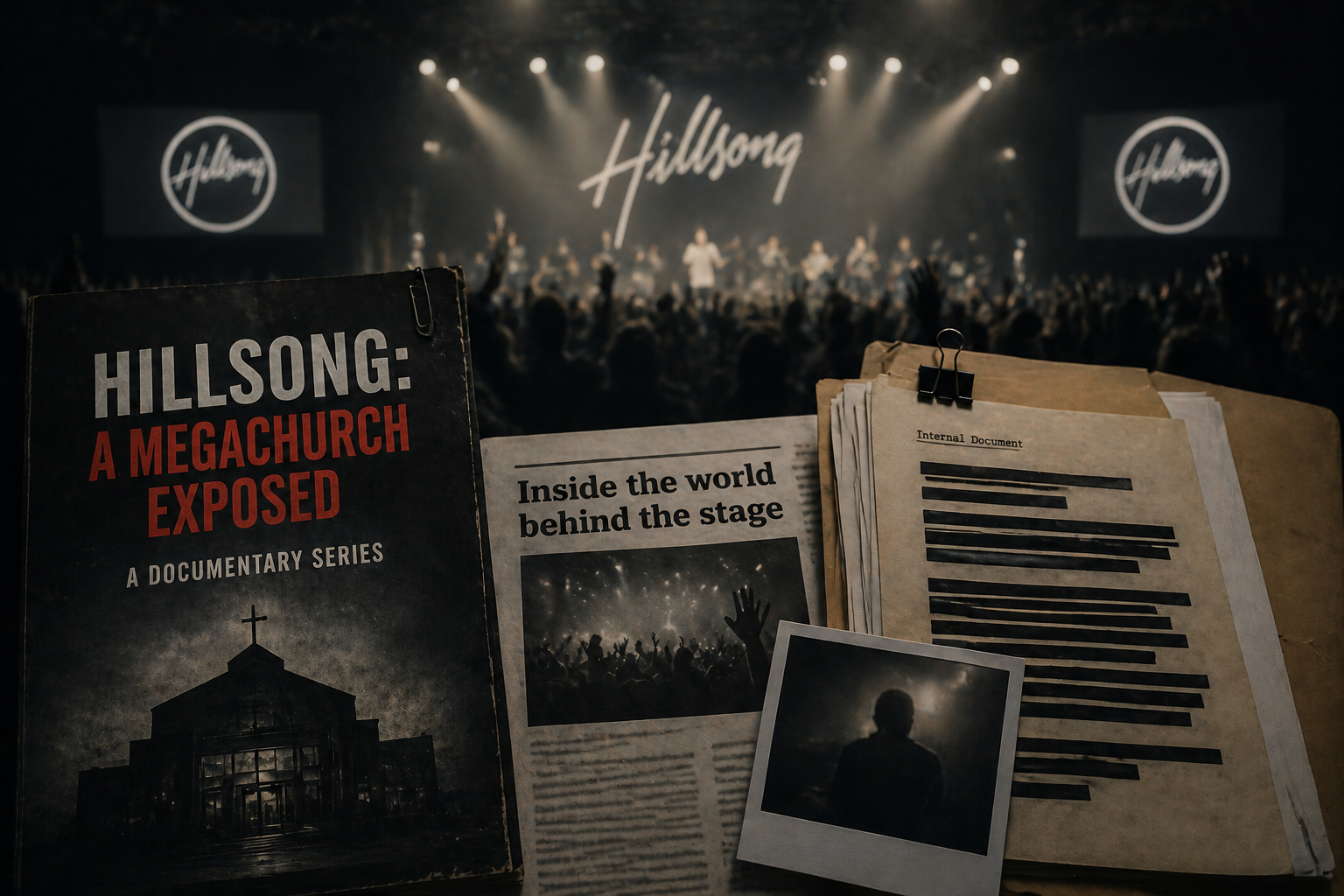
One major catalyst for this shift in perspective was Hillsong: A Megachurch Exposed. Released in 2022 as a three part documentary series, it explores the internal culture behind Hillsong’s rapid global growth. Through interviews with former members, staff, and insiders, along with news footage and internal materials, it traces patterns within the church’s leadership structure and power dynamics.
What the documentary reveals is not just a series of isolated incidents, but a recurring pattern. Power becomes concentrated in a few individuals. Those individuals gradually become symbolic figures. And within such a system, problems are less likely to surface early. Instead, they remain hidden until they emerge in much larger and more damaging ways.
In particular, Hillsong’s identity as a branded church, shaped by its appeal to younger generations, its connection to celebrity culture, and its globally influential worship content, transformed it into more than just a church. It became a cultural phenomenon. But with that came increased complexity within its internal structure, and often weakened accountability.
So the question begins to change. It is no longer simply, “Who failed?” but rather, “What kind of system allowed this to happen?”
3. When Did Worship Become an Experience?
Yet the most uncomfortable part of this conversation does not end there. Eventually, the question returns to us.
When did we begin to treat worship as an experience?
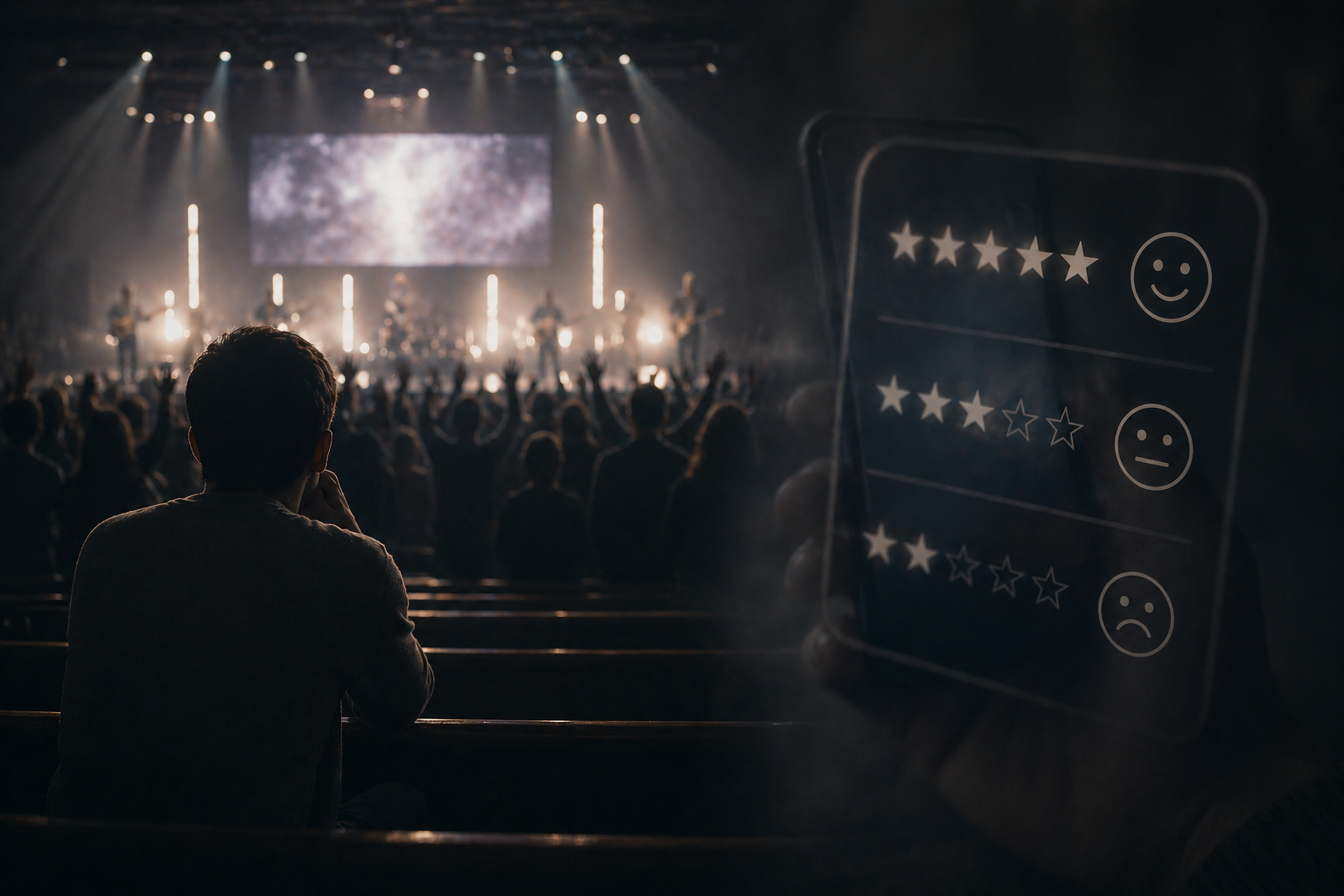
If we are honest, we have started to evaluate worship. Was it good today? Was it not? And the criteria have become increasingly clear. How much did I feel? How deeply was I moved?
And once that becomes the standard, the direction of worship quietly begins to shift.
We may still believe that we are directing everything toward God, but in reality, the center may be moving toward ourselves. Our emotions may deepen, but the object of those emotions can become blurred.
Some theological critiques point directly to this issue. Emotion can be a natural result of worship, but it cannot be its foundation. The moment we believe that a good worship service is one that feels powerful or moving, we may already be measuring worship by ourselves rather than by God.
This shift inevitably affects the form of worship as well. Music becomes more refined. Transitions become smoother. The overall experience becomes more immersive. None of this is inherently wrong. But when all of these elements come together, worship can slowly move from participation to experience.
We are still singing. But at the same time, we are also watching.
4. The Question That Remains
The Hillsong controversy does not end as the failure of a single church. Instead, it leaves us with deeper questions.
Why were we drawn to this kind of worship?
What exactly were we responding to?
And what are we truly worshiping now?
These are uncomfortable questions. Because the answers do not lie somewhere else. They come back to each of us.
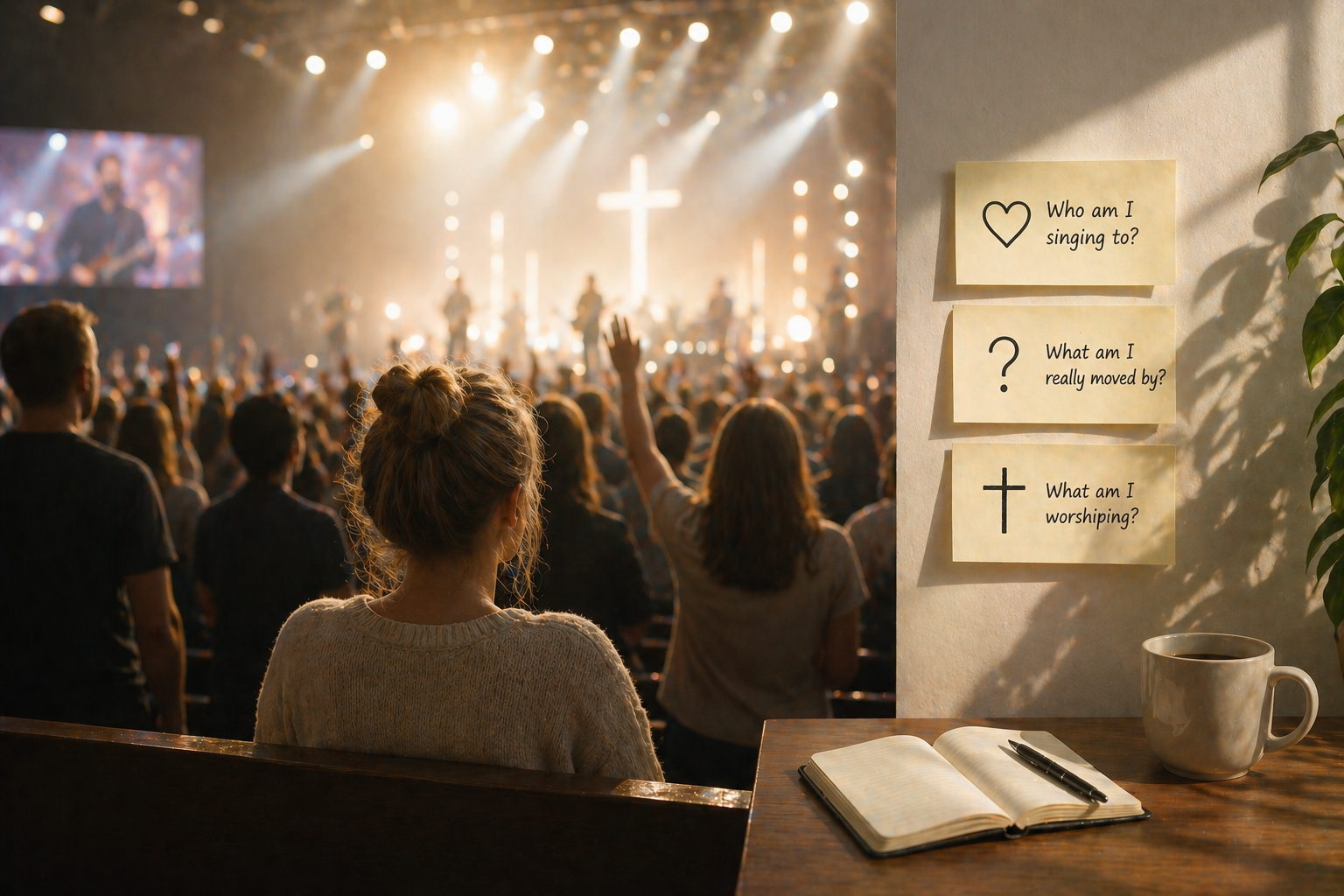
Who am I really singing to?
It may be beautiful music. It may be a deeply moving moment. But if the center is not God, but ourselves, then we must reconsider.
Worship is not about the intensity of our feelings. It is about the direction of our hearts.
Perhaps the Hillsong controversy is not merely about something that collapsed. Perhaps it is about something that was revealed. Something we had grown too familiar with to question. Patterns we accepted without reflection. Standards we assumed without examination.
And now, worship quietly asks us again.
Is this worship, or is it a show?
And in that moment, we can no longer look at someone else for the answer.
Because in the end, the one who must respond is us.
This reflection is written from a personal theological perspective, seeking understanding rather than making judgments about any specific individuals or organizations.