Why Piano Music Feels So Emotional — The Psychology Behind Its Emotional Power
Have you ever listened to piano music and felt calm, nostalgic, or emotional without knowing why? The piano has a rare ability to express feeling without words.
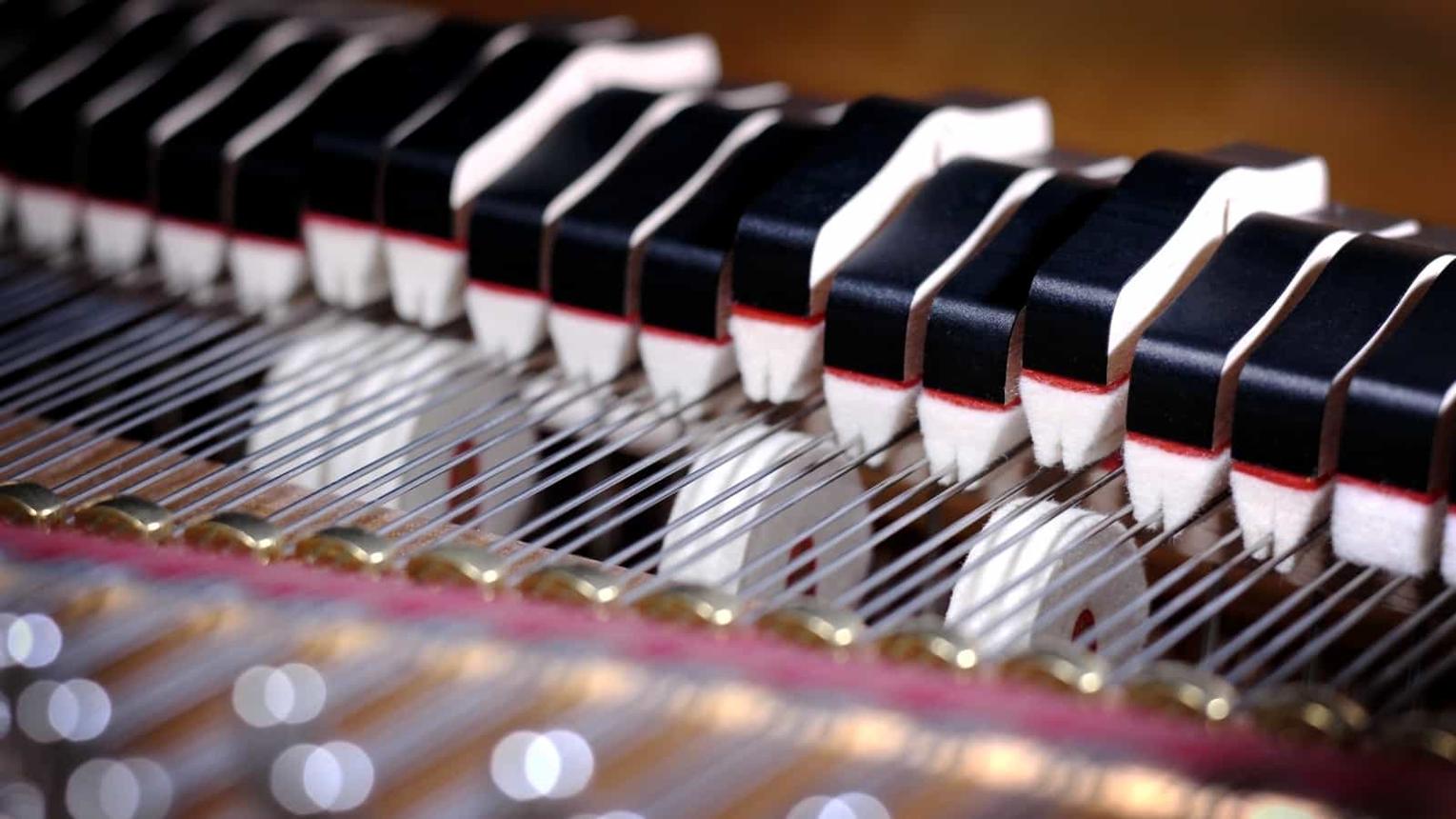
1. One Instrument, Many Layers
The piano can play melody and harmony at the same time. It doesn’t just play a line—it builds a layered emotional world in real time.
A chord progression can feel like a story unfolding, where different musical voices—hope, tension, sadness, and resolution—exist together in a single moment.
Its wide range adds depth. Low notes feel heavy and grounded, while high notes feel light and fragile. This contrast creates emotional complexity within a single instrument.
2. Sound That Fades
Every piano note begins and immediately fades. Nothing is held forever.
This natural decay creates fragility. We hear sound disappearing, which brings reflection and longing.
Silence between notes feels especially powerful on the piano. Because sounds fade naturally, the space between them feels alive—full of anticipation and quiet tension.
3. The Sustain Pedal Effect
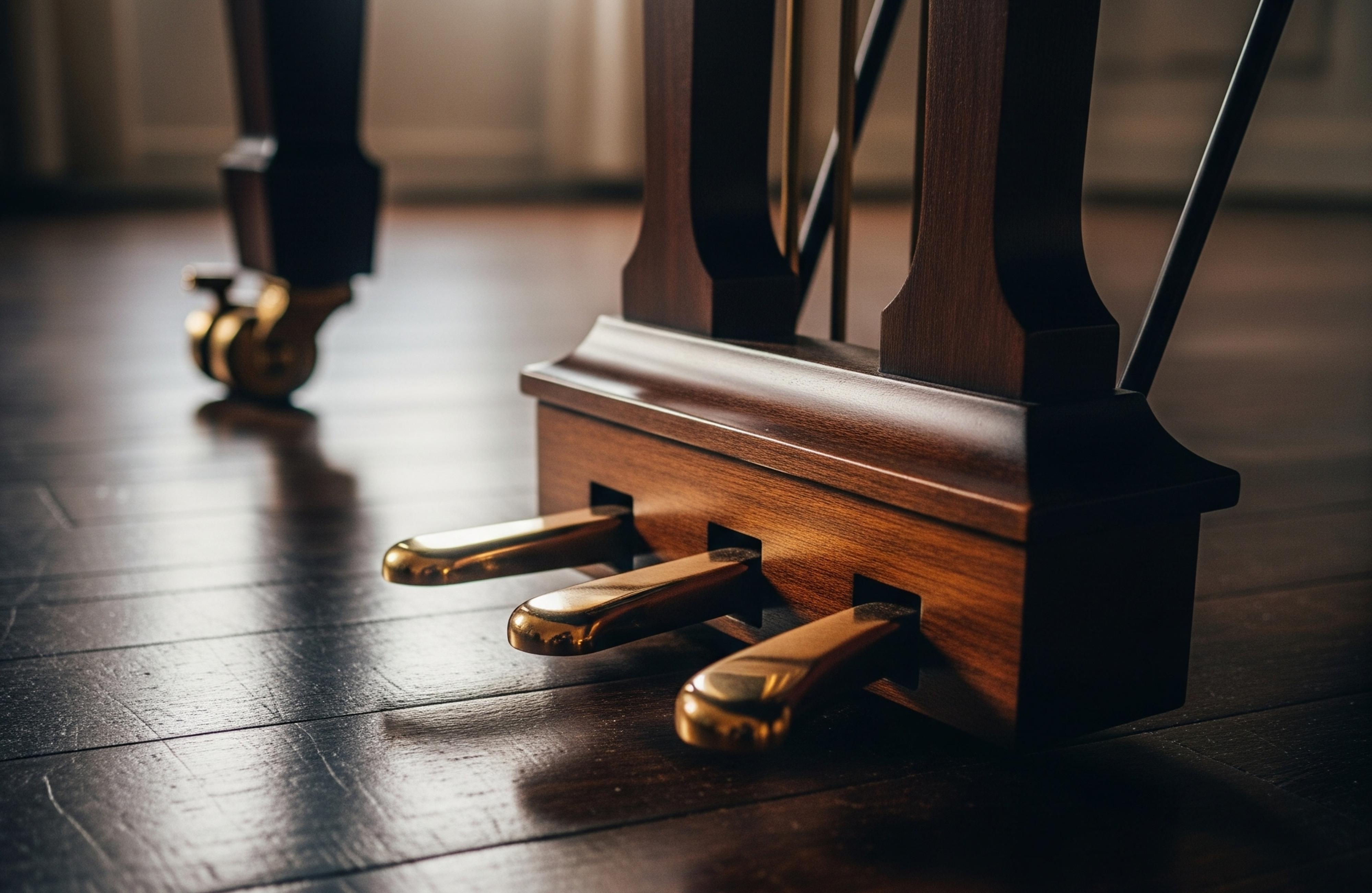
The sustain pedal lets strings resonate and blend together.
This creates sympathetic resonance, producing a warm, spacious sound that feels immersive and soft—almost like a sonic atmosphere.
4. Why It Feels So Personal
Piano music feels like an inner voice. It doesn’t feel external—it feels like something already inside us.
It unfolds through harmony, decay, and silence. Notes fade instead of being held, and silence becomes part of the structure.
This makes piano music feel less like sound, and more like thought happening in real time.
Perhaps our emotional response to music reflects something deeper about the way we were created — with the capacity to respond to beauty, longing, tension, and resolution in deeply human ways.
Final Thought
Piano music feels emotional because it behaves like emotion itself—layered, fading, and always unfolding. It doesn’t just produce sound. It creates space for feeling.
Read previous: Seymour Bernstein and the Inner Life of Music