Why This Moment Works: Ravel — Boléro
Few pieces of classical music are as instantly recognizable as Maurice Ravel’s Boléro.
Built from a single melody and an unchanging rhythmic pattern, the work repeats nearly the same musical material for about fifteen minutes.
By normal expectations, it should become predictable long before it ends. Instead, it never loses its grip on the listener.

Named after a traditional Spanish dance, Boléro begins with a simple snare drum rhythm that continues almost without interruption throughout the entire piece.
Above it, a melody unfolds and returns again and again with very little alteration. There is no dramatic harmonic journey and almost no traditional thematic development.
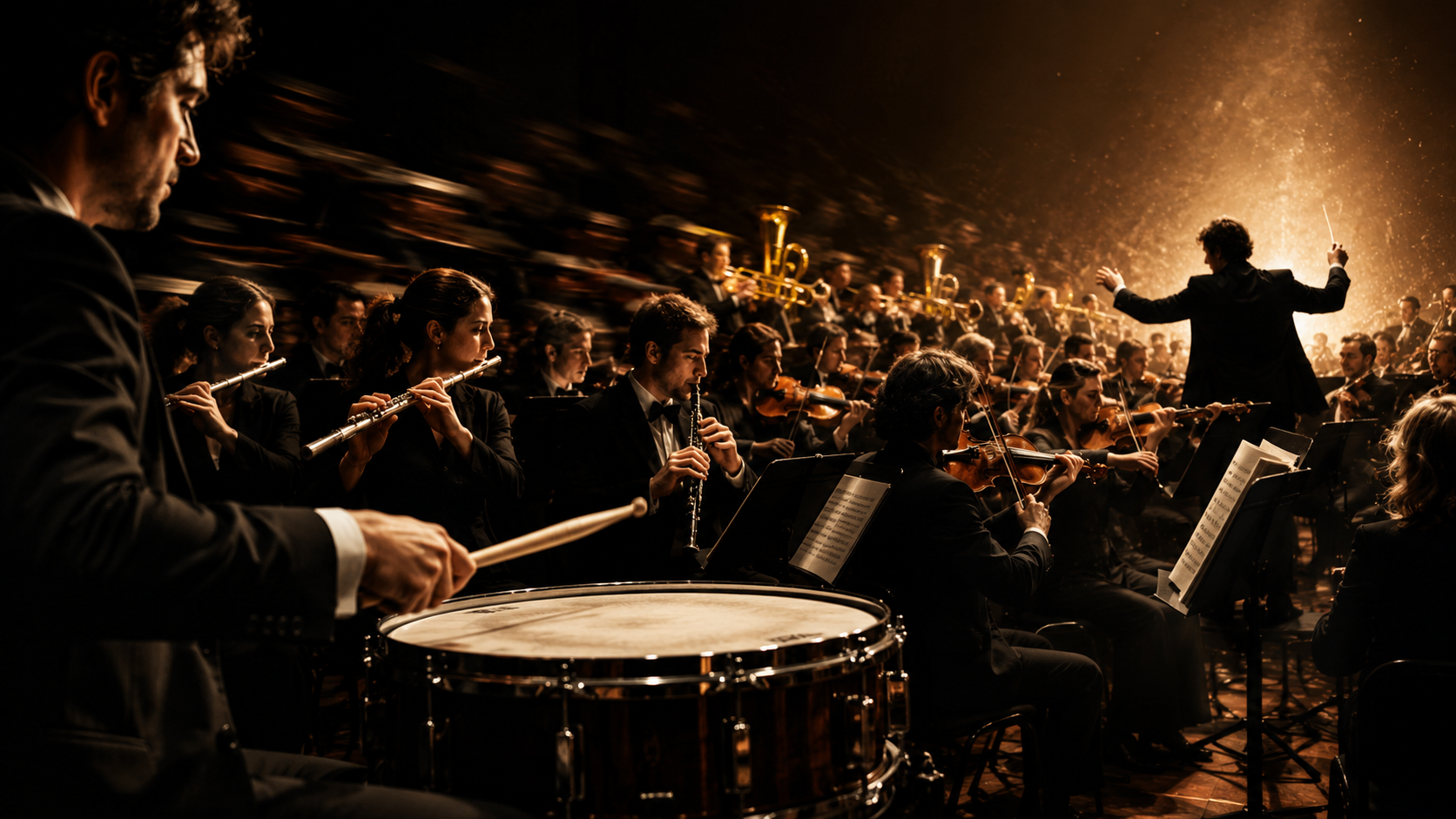
The secret lies in the orchestra. While the melody remains largely unchanged, Ravel continually passes it between different instruments, creating new colors with each repetition. As more instruments join, the texture grows richer and the volume gradually increases, building a powerful sense of anticipation from remarkably simple material.
In the video below, follow the score as the orchestra steadily expands. By the final minutes, it has become overwhelming. Then Ravel suddenly shifts into a distant key, breaking the pattern that has held the entire work together. The effect feels enormous.
What makes Boléro so fascinating is its challenge to a common assumption: that repetition leads to boredom. Ravel demonstrates the opposite. Repetition can create anticipation, depth, and transformation when given enough time to unfold.
Many meaningful parts of life work the same way. Growth rarely arrives all at once. It develops through ordinary rhythms that may seem repetitive in the moment but gradually shape who we become.
From a Christian perspective, spiritual formation often follows this pattern. Prayer, worship, Scripture reading, and daily obedience may feel simple and repetitive, yet over time they form the heart in ways we may not immediately see.
As you listen to Boléro, notice how little actually changes—and how much that matters. Ravel shows that sometimes transformation comes not through constant novelty, but through patient repetition.
Read previous: Why This Moment Works: Tchaikovsky — Symphony No. 6 (Pathétique)